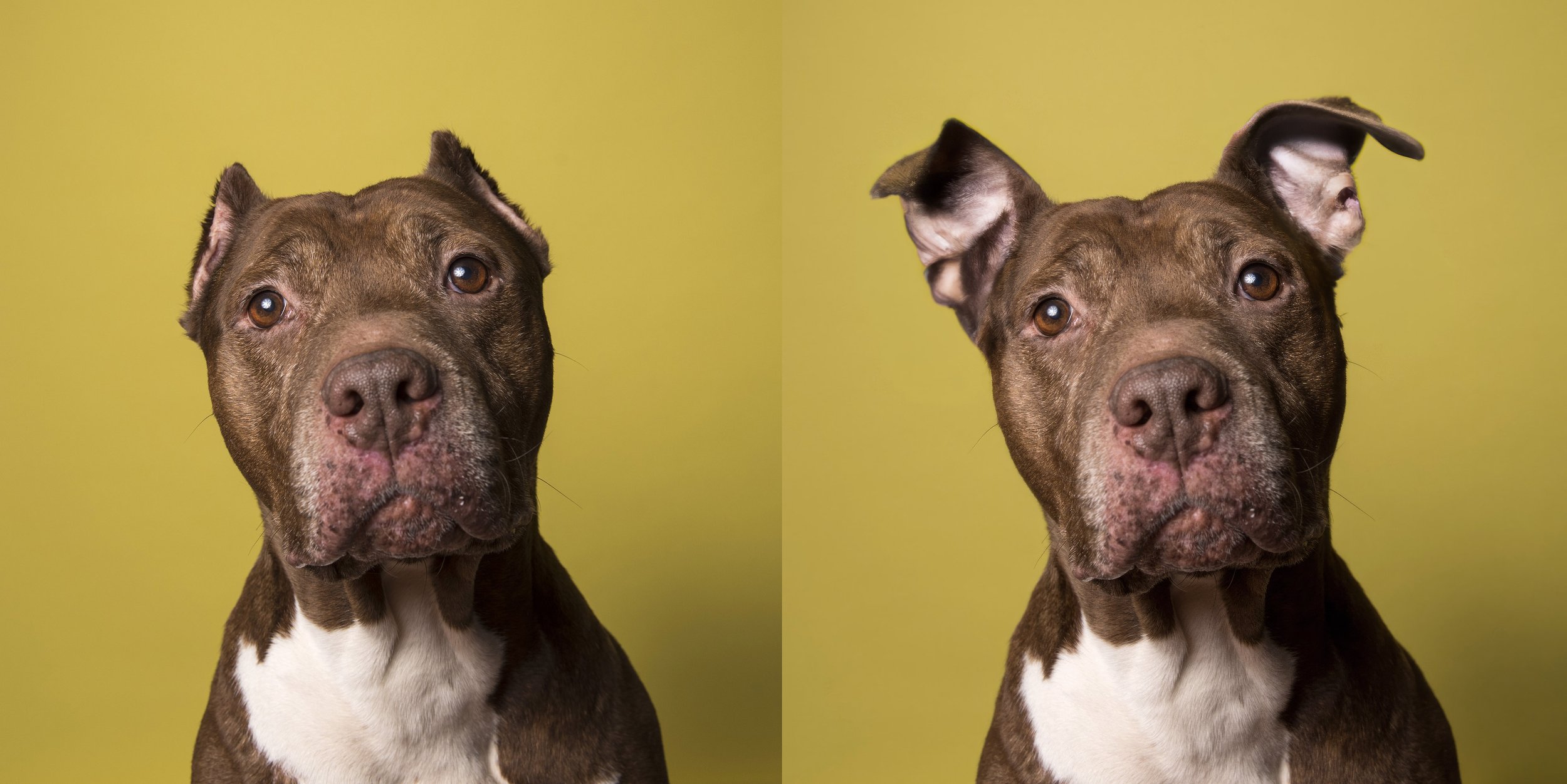
People clip dog ears (ear cropping) for tradition or breed appearance. It is not medically needed, and is banned or discouraged in many countries.
Why
Ear cropping is done to meet breed standards for dogs such as Dobermans, Great Danes and Boxers. It is traditional.
Medical need
None. It is cosmetic.
Opposition
The AVMA opposes it when done only for cosmetic reasons.
Legal
Banned in the UK, many European countries, and some US states and cities. It’s allowed in much of the US.
Risks
Pain, anesthesia risk and infection.
Breeds and the numbers
Ear cropping is the surgical removal of part of the ear flap, usually done at 7 to 12 weeks of age under general anesthesia, so the remaining ear stands erect after taping. Breeds traditionally cropped include Doberman Pinschers, Great Danes, Boxers, Schnauzers and Boston Terriers. The practice originated as a historical habit of working and fighting dogs, with claims about preventing injury or infection that lack support in veterinary research.
- The American Veterinary Medical Association opposes ear cropping and tail docking for cosmetic reasons.
- The UK banned ear cropping under the Animal Welfare Act 2006.
- Over 36 European countries ratified the European Convention for the Protection of Pet Animals, which prohibits cropping.
- In the US, about nine states regulate the practice in some way, mostly requiring a licensed vet and anesthesia.

Risks of the procedure
Risks include anesthetic complications, bleeding, infection and ears that fail to stand. The dog needs several weeks of bandaging and repeated retaping, which causes stress. Ears also communicate mood, and removing part of the ear flap may limit social signals. Breed clubs in the US, such as for the Doberman, still list cropped ears in the standard, but showing uncropped dogs is allowed in most cases.
Breeds and rules
Ear cropping is a surgical removal of part of the ear flap, traditionally done in breeds such as Doberman Pinschers, Great Danes, Boxers and Schnauzers, usually at 8 to 12 weeks of age. The American Veterinary Medical Association opposes ear cropping and tail docking for cosmetic reasons. The procedure is banned or restricted in many countries, including the UK and most of Europe.
Risks
Cropping requires anesthesia, taping and aftercare, and carries risks of infection, pain and complications. No evidence shows medical benefit. Breed standards from some kennel clubs still list cropped ears, but the American Kennel Club allows uncropped dogs in the show ring.
Legal and professional positions
The American Veterinary Medical Association and the American Animal Hospital Association oppose cosmetic ear cropping and tail docking. Several countries ban cropping, including the UK (2006), Germany, Sweden, Australia and most of Europe under the European Convention for the Protection of Pet Animals. In the US, a few states such as Maryland and Pennsylvania restrict or regulate the procedure, while others leave it unregulated.

What owners should know
Cropping is done under general anesthesia, usually between 7 and 12 weeks, and requires weeks of taping. Costs run roughly 150 to 600 USD. Cropped dogs cannot be shown in the UK. Ears communicate mood, and cropping can limit a dog’s body language. Choose breeders and vets who follow welfare standards.
Based on data from the American Veterinary Medical Association and the Council of Europe