Jerking at night is often hypnic jerks, caused by stress, caffeine, or tiredness, or periodic limb movements. See a doctor if it disturbs your sleep.
Common causes
- Hypnic jerks (sleep starts).
- Stress and caffeine.
- Sleep deprivation.
- Restless legs syndrome and periodic limb movement disorder.
- Medications.
When it’s harmless
Occasional twitches when falling asleep.
See a doctor
If jerks wake you often, involve violent movement, or come with daytime sleepiness.
Treatment
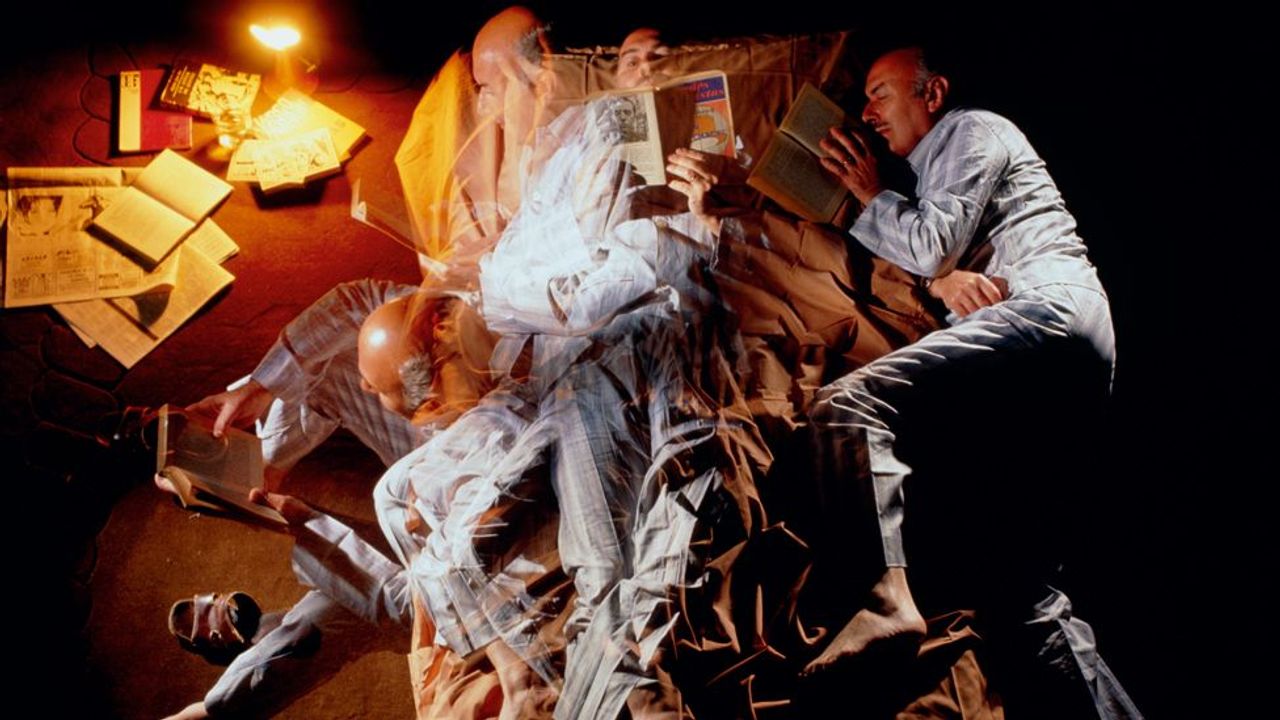
Cut caffeine, reduce stress, keep a regular sleep schedule.
Hypnic jerks explained
The sudden jerk as you fall asleep is a hypnic or sleep start. It affects roughly 60 to 70 percent of people at some point. It happens as muscles relax and the brain transitions from wake to sleep, and the brain may misread relaxation as a fall. Caffeine, stress, sleep deprivation and intense evening exercise can make it more frequent.
- Periodic limb movement disorder causes repeated leg jerks every 20 to 40 seconds during sleep, and is linked to iron deficiency.
- Restless legs syndrome causes an urge to move the legs in the evening and affects up to 10 percent of adults in the US.
- Myoclonus can be linked to medications, kidney disease or neurological conditions.
- Nocturnal seizures can look like jerks but come with confusion, tongue biting or incontinence.
What helps

Keep a regular sleep schedule, limit caffeine after noon and avoid heavy exercise within 3 hours of bed. Check iron and ferritin if leg jerks are frequent. A sleep study (polysomnography) is used when movements wreck sleep quality. See a doctor if jerks are violent, cause injury, or come with daytime sleepiness.
Hypnic jerks
Hypnic jerks, also called sleep starts, are sudden muscle contractions at the transition between wake and sleep, and about 60 to 70 percent of people experience them. Caffeine, stress, exhaustion and exercise late in the day increase them.
What helps
Keep consistent sleep hours, limit caffeine after noon and relax before bed. Jerking that repeats through the night, with leg movement may suggest periodic limb movement disorder or restless legs syndrome, which a sleep doctor can assess.
Mechanism and triggers
Hypnic jerks occur when the brain misinterprets the relaxation of muscles at sleep onset, possibly as a fall, triggering a reflex. Studies estimate 70 percent of people experience them. Stimulants, stress, sleep deprivation and intense evening exercise increase them.

Related conditions
Periodic limb movement disorder causes repetitive leg jerks every 20 to 40 seconds during sleep and affects about 4 to 11 percent of adults. Restless legs syndrome has an urge to move the legs, with iron deficiency as a common factor. A sleep study can diagnose. Seek help if jerking disrupts sleep or comes with seizure like activity.
Based on data from the American Academy of Sleep Medicine and the National Institute of Neurological Disorders and Stroke