Many pediatricians suggest waiting until a baby is at least 2 to 3 months old before flying, to reduce infection risk. Ask your pediatrician.
Typical advice
Many pediatricians prefer waiting until 2 to 3 months, when the immune system is stronger.
Airline rules
Airlines set minimum ages, often between 2 and 14 days for domestic flights.
Risks
Germs in crowded cabins and ear pressure.
Tips
- Nurse or bottle feed during takeoff and landing.
- Wash hands.
- Bring documents.
- Ask your pediatrician.
Special cases
Premature babies or heart or lung conditions need medical approval.
Medical guidance
The American Academy of Pediatrics suggests that healthy full-term babies can generally fly after the first 2 weeks of life, and many doctors prefer waiting until 2 to 3 months, when immune systems are stronger and the first vaccines are given. Airlines set their own minimum ages. Many US airlines allow infants at 7 days old, and some require a doctor’s note for babies under 14 days old.
- Cabin air is filtered through HEPA filters, but close contact with other passengers raises exposure to infections.
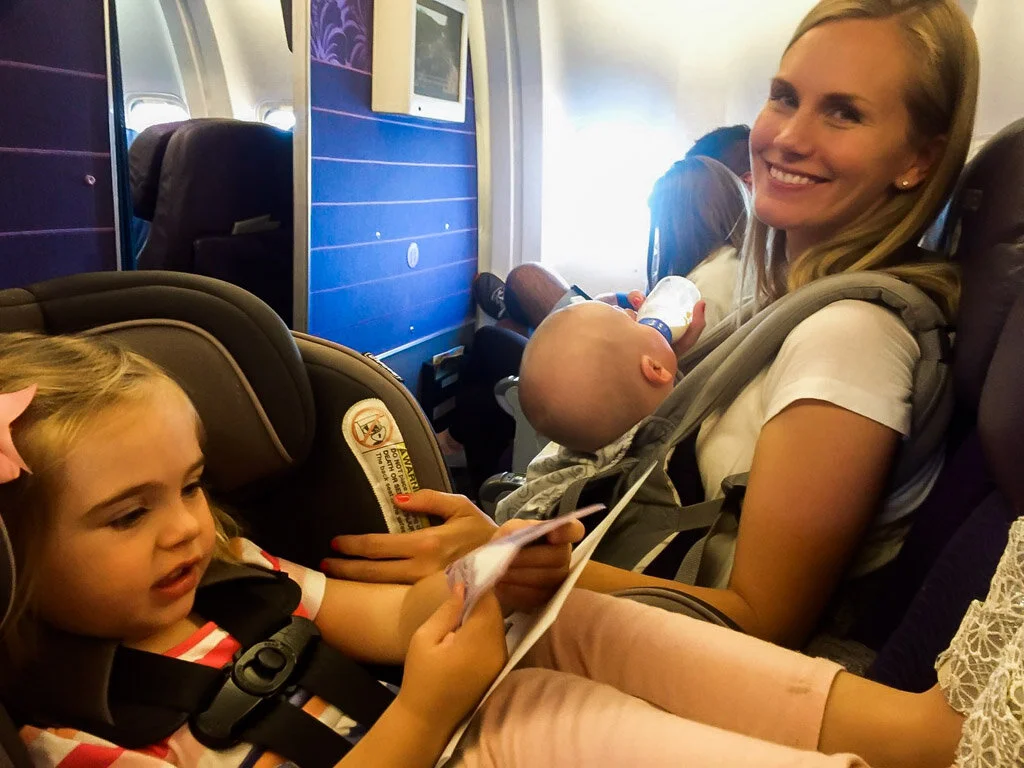
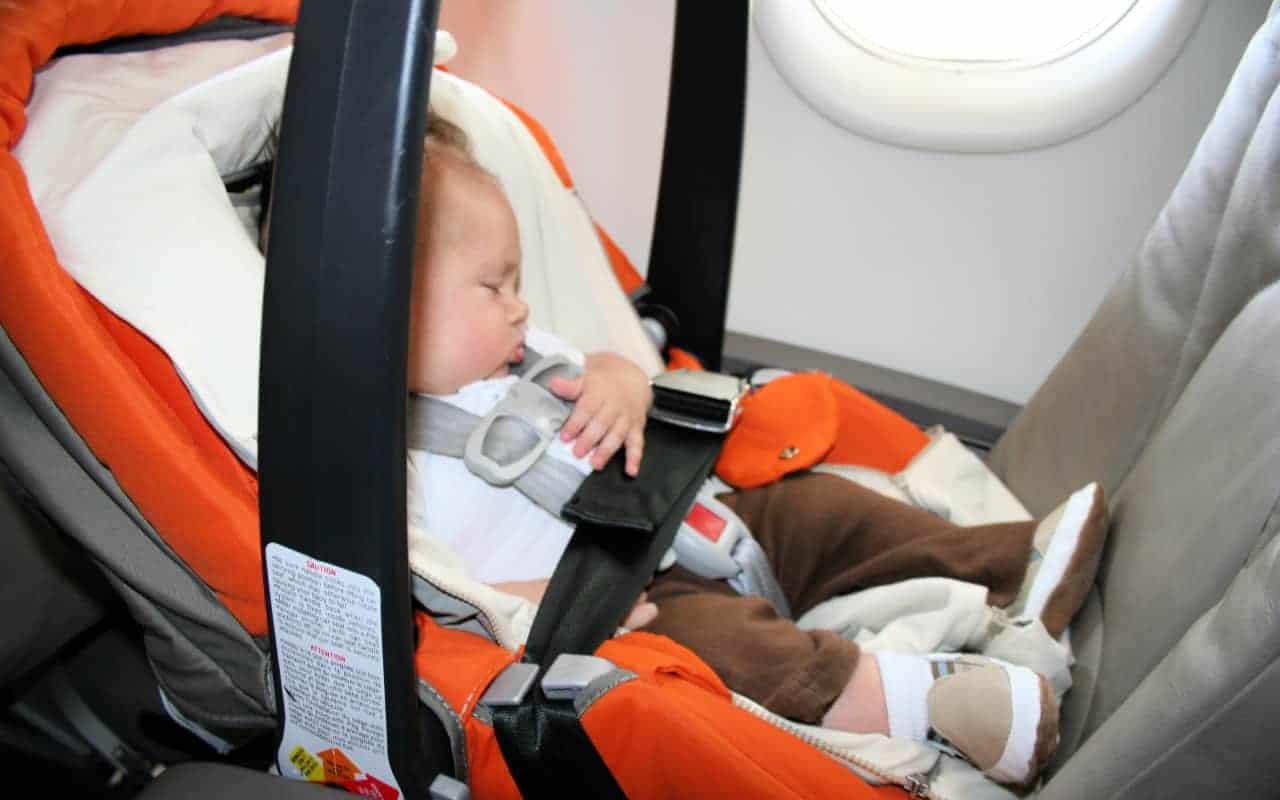
- Babies under 2 can fly as lap infants on US domestic flights without a ticket, though the FAA recommends a child restraint system.
- Premature babies and those with heart or lung problems need medical clearance.

Tips
Feed or give a pacifier during takeoff and landing to ease ear pressure. Bring extra diapers, wipes, spare clothes and documents such as birth certificates for international flights. Wash hands often and use a baby carrier for easier security screening. Book a seat with extra room if possible.
Medical guidance
The American Academy of Pediatrics notes that healthy full term babies can fly, with many doctors suggesting waiting until at least 2 weeks to 3 months for immune development. Check with the pediatrician, especially for premature babies or those with heart or lung problems.
Tips
Feed during takeoff and landing to ease ear pressure, wash hands, keep the baby in an approved car seat or on a lap and carry extra supplies. Infants under 2 can fly as lap children on most US airlines.
Newborn immunity and risks
Babies under 2 months have immature immune systems and fever over 100.4 F (38 C) needs immediate evaluation. Airplane cabins have HEPA filtration, but exposure to crowds in airports raises infection risk. Some pediatricians advise waiting until 6 to 12 weeks, especially for RSV and flu season. Parents should confirm Tdap and flu vaccinations.
Travel logistics
Airlines allow infants under 2 on laps free on domestic flights, though the FAA recommends a child restraint seat. Feed during takeoff and landing, carry a document for birth date for international travel, and check passports. Ask about bassinets on long flights. Do not fly if the baby has respiratory illness or was premature without doctor clearance.
Based on data from the American Academy of Pediatrics and the Federal Aviation Administration