Power outages happen from storms, overloaded circuits, grid problems, or a tripped breaker. If it is only in your home, check your breaker panel.
Common causes
- Storms, high winds, ice and lightning.
- Tripped breaker (overloaded circuit).
- Equipment failure.
- Animals or trees on lines.
- Grid overload on hot days.
- Planned maintenance.
Check
See if neighbors have power.
Report
Call your utility. Check the outage map.
Safety
Stay away from downed lines.
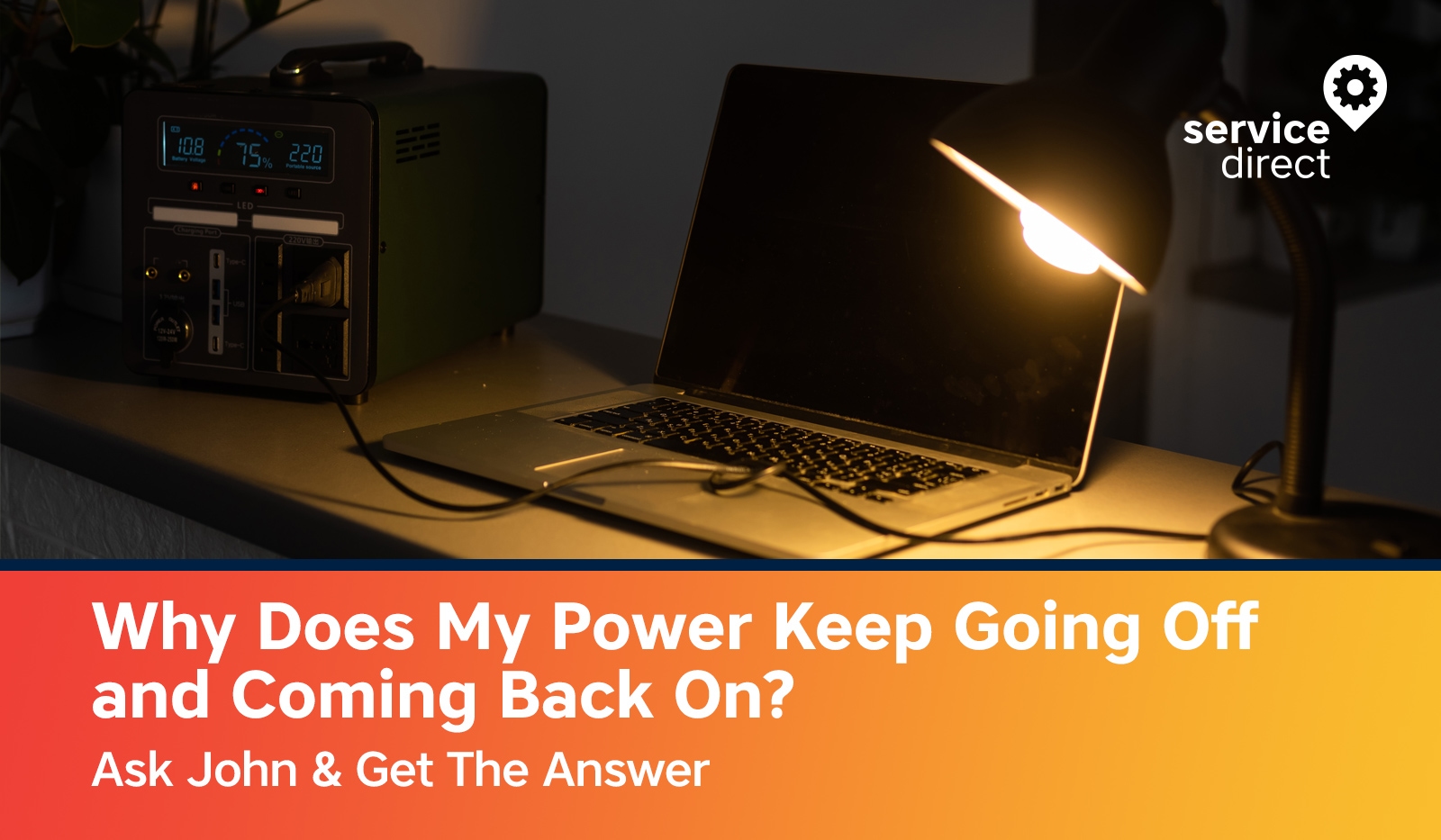
Backup
Surge protectors and a backup generator or battery.
Grid and local causes
Frequent outages come from storms, high winds, fallen trees, animals on equipment, aging transformers, overloaded circuits and equipment failures. The US Energy Information Administration reports that the average US customer lost power for about 5.5 hours in 2022 including major events, with higher figures in storm-hit states.
- Check whether neighbors are also without power. If only your home is affected, check the breaker panel and GFCI outlets.
- A tripped main breaker can result from overloaded circuits or a faulty appliance.
- Electric utilities have outage maps, and customers can report outages by phone or app.

Safety and backup
Stay away from downed lines and report them. Never use a generator indoors or in a garage, because carbon monoxide kills about 85 people a year in generator-related incidents in the US, according to the CPSC. Use surge protectors and consider a battery backup for key devices. Keep flashlights, and a plan for medical devices. Repeated outages in one home should be investigated by an electrician.
Grid and local causes
Power outages come from storms, wildfires, equipment failure, tree contact, vehicle accidents and demand spikes. The US Energy Information Administration reports the average customer lost power for about 5.5 hours in 2022 including major events. Repeated outages may reflect a local transformer or aging line.
Safety and backup
Report outages to the utility, never touch downed lines, use generators outdoors only to avoid carbon monoxide, and keep flashlights and a battery backup. Refrigerators keep food safe about 4 hours if unopened.
Causes by region
The US Energy Information Administration reports that major events such as hurricanes and winter storms drive outage duration, with average interruptions of about 5.5 hours in 2022 including major events and 2 hours without. Aging infrastructure and vegetation contact cause local outages. Utilities track reliability with SAIDI and SAIFI.

Preparing at home
Keep flashlights, power banks and a battery powered radio. A home battery or portable station can power a refrigerator. A fridge keeps food cold for about 4 hours unopened, and a full freezer for 48 hours. Never run generators indoors; carbon monoxide kills about 70 people a year from generator exposure, according to the CPSC. Report downed lines to the utility.
Based on data from the US Energy Information Administration and the Consumer Product Safety Commission