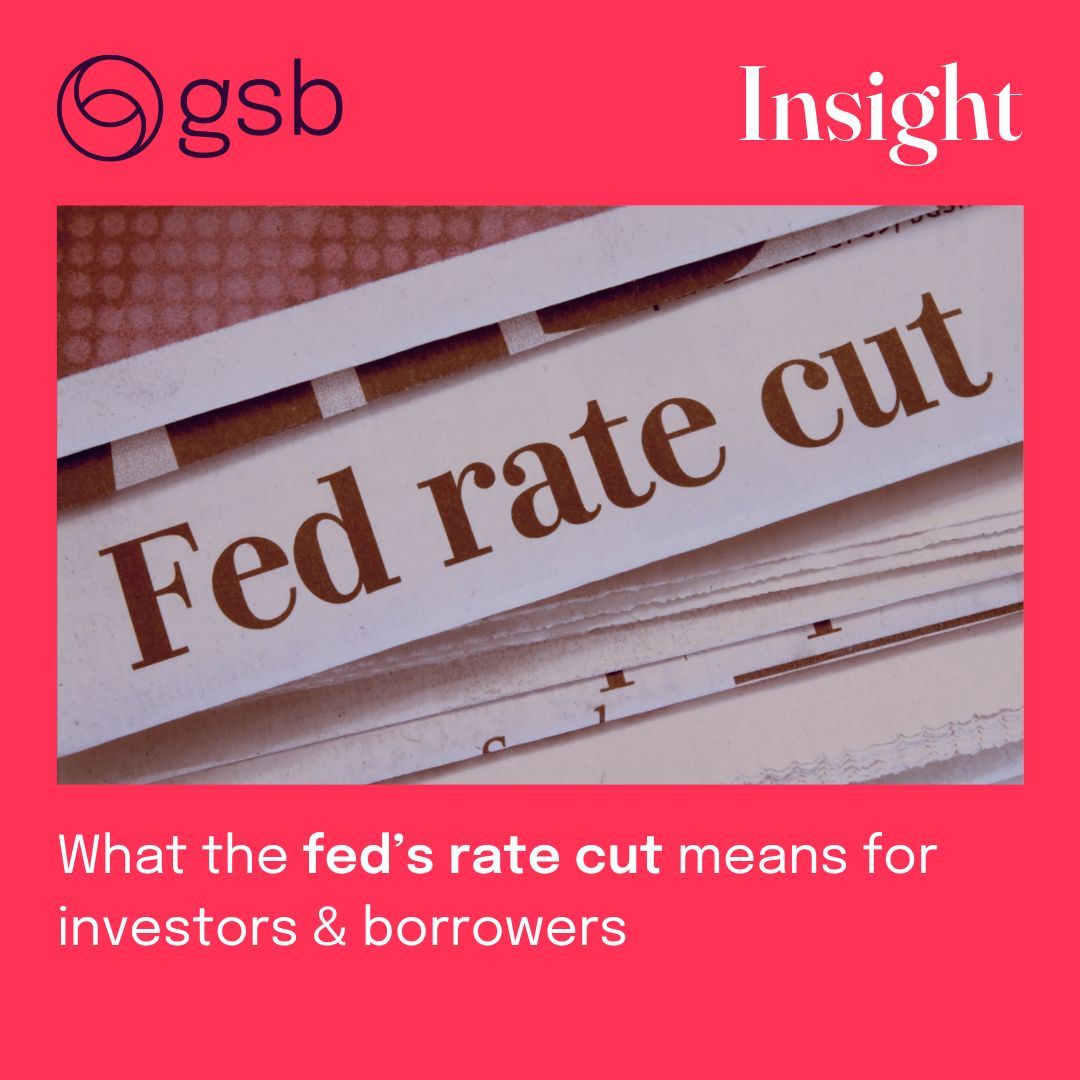
When the Fed cuts rates, it lowers the federal funds rate to make borrowing cheaper and stimulate the economy.
What happens
The Federal Reserve lowers its target for the federal funds rate, the rate banks charge each other for overnight loans.
Effects
- Cheaper borrowing: credit cards, car loans and mortgages tend to fall.
- Lower savings and CD yields.
- Stimulates spending and hiring.
- Often lifts stocks.
Why cut
To support growth when inflation falls or the job market weakens.
Who decides
The Federal Open Market Committee (FOMC), which meets 8 times a year.
Lag
Effects take months.
Mechanism and numbers
When the Federal Reserve cuts the federal funds rate target, banks borrow from each other more cheaply, which lowers rates on credit cards, adjustable-rate loans, auto loans and savings accounts over time. The Federal Open Market Committee (FOMC) has 12 voting members and meets eight times a year to set the target range.
- The Fed cut the target rate by 0.5 percentage point in September 2024, then 0.25 in November and December 2024, bringing it to 4.25 to 4.50 percent. It made further moves in 2025.
- The Fed has a dual mandate: maximum employment and stable prices (2 percent inflation).
- Mortgage rates track the 10-year Treasury yield more than the Fed funds rate.

Effects and lag
Economists say the effects of rate changes take 6 to 18 months to fully appear in the economy. Lower rates can boost borrowing, hiring and stock prices, and weaken the dollar, but can raise inflation if overdone. Savers earn less on money market and CD rates. Existing fixed-rate loans do not change. Check current rates on the Federal Reserve’s website.
Mechanism and numbers
The Federal Reserve sets a target range for the federal funds rate, the rate banks charge each other overnight. Cutting it lowers borrowing costs, aiming to support jobs and growth. The Fed has a dual mandate of maximum employment and 2 percent inflation.
Effects and lag
Cuts influence credit card, auto and some mortgage rates, though mortgage rates follow Treasury yields. Effects can take months. Check the current target range on federalreserve.gov.
How the Fed cuts rates
The Federal Reserve sets a target range for the federal funds rate, the overnight rate banks charge each other. The Federal Open Market Committee (FOMC) meets eight times a year and votes on changes. A cut lowers the target range, usually by 0.25 percentage points, though larger cuts have occurred, including 0.50 in September 2024.
Effects on consumers
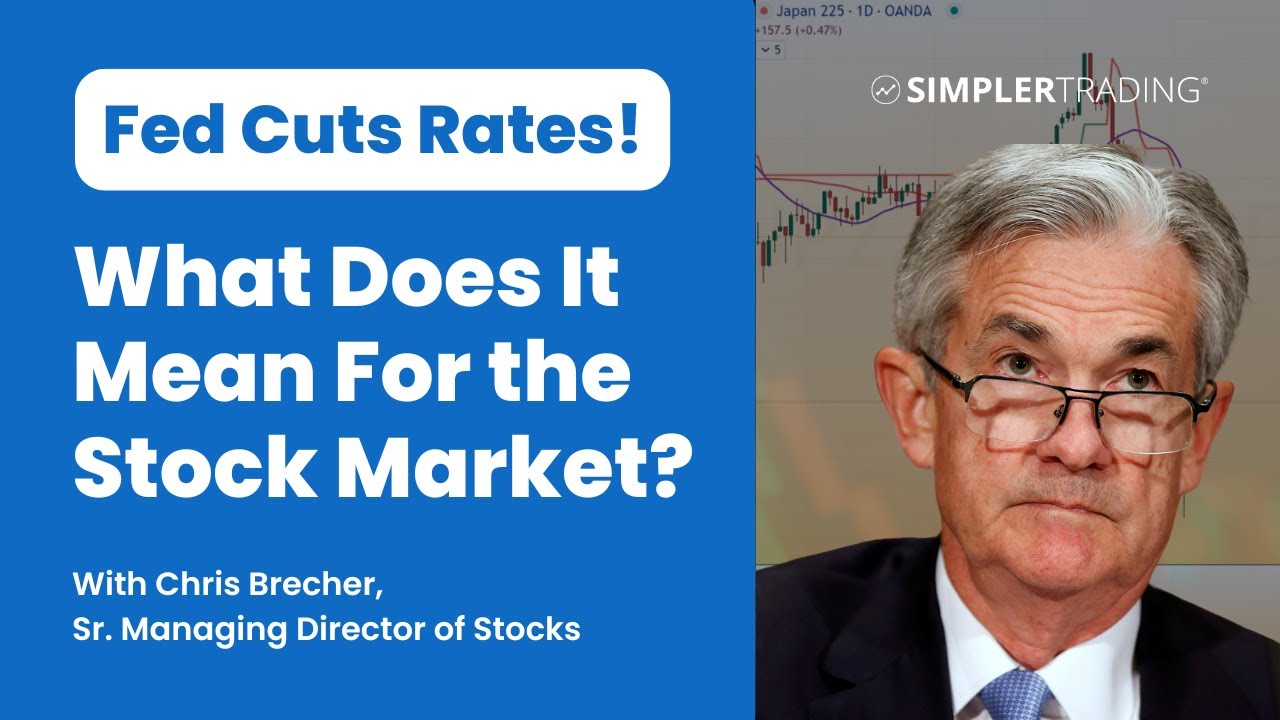
Cuts make borrowing cheaper over time: credit card, auto loans and home equity lines move quickly because they are tied to the prime rate, which is set at 3 percentage points above the fed funds rate. Mortgage rates follow the 10 year Treasury yield rather than the Fed rate directly. Savings account and CD yields typically fall. The Fed cuts to support jobs when inflation cools or the economy slows. Its mandate is maximum employment and 2 percent inflation.
Based on data from the Federal Reserve Board and the Bureau of Labor Statistics