- How Much Caffeine is in a Can of Soda?
- Caffeine Content in Popular Sodas
- What Determines Caffeine Levels in Soda?
- Caffeine and Its Impact on Health
- Caffeine Comparison: Sodas vs. Other Beverages
- Which Soda Has the Most Caffeine?
- Is It Possible to Find Caffeine-Free Sodas?
- Caffeine Alternatives: Better or Worse?
- Common Mistakes in Caffeine Consumption
- The Ethics and Regulation of Caffeine in Beverages
- FAQs about Caffeine in a Can of Soda
How Much Caffeine is in a Can of Soda?
Understanding how much caffeine is in a can of soda is essential for those looking to manage their intake. Caffeine, a natural stimulant, can be found in various beverages and foods, but sodas remain a popular source. In this comprehensive guide, we will explore the caffeine content in different sodas, discuss the health implications, and answer frequently asked questions to ensure you have all the information you need.
Caffeine Content in Popular Sodas
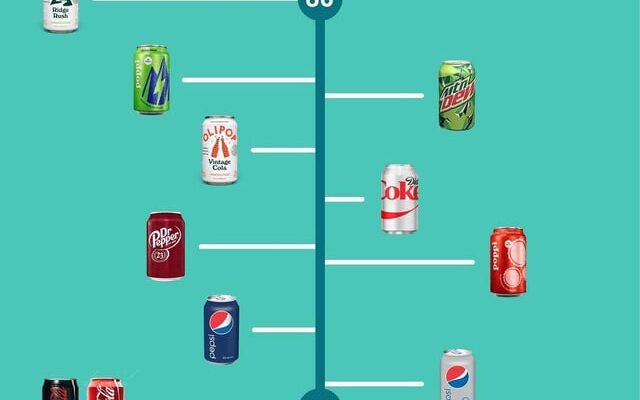
The caffeine content in sodas can vary significantly from one brand to another. Typically, a 12-ounce can of soda contains between 30 to 40 milligrams of caffeine. However, there are exceptions with some brands containing higher levels.
- Coca-Cola Classic: Approximately 34 mg of caffeine per 12 oz can.
- Pepsi: Around 38 mg of caffeine per 12 oz can.
- Mountain Dew: Roughly 54 mg of caffeine per 12 oz can.
- Dr. Pepper: About 41 mg of caffeine per 12 oz can.
- Sprite and 7-Up: These sodas are caffeine-free.
What Determines Caffeine Levels in Soda?
The varying caffeine content in sodas is influenced by several factors including the recipe developed by manufacturers, consumer preferences, and regulatory guidelines. Many soda companies aim to provide a standard caffeine level to appeal to their target audience.
Caffeine and Its Impact on Health
Caffeine consumption affects everyone differently. While moderate caffeine intake can enhance alertness, excessive consumption might lead to negative health effects like insomnia, increased heart rate, and anxiety. The FDA suggests a safe caffeine consumption level of up to 400 milligrams daily for most adults.
Caffeine Comparison: Sodas vs. Other Beverages
| Beverage | Caffeine Content (per 12 oz) |
|---|---|
| Soda | 30-54 mg |
| Espresso | 63 mg per shot (1 oz) |
| Brewed Coffee | 120 mg |
| Decaf Coffee | 2-5 mg |
| Tea | 20-60 mg |
Which Soda Has the Most Caffeine?
Among the major soda brands, Mountain Dew stands out for having one of the highest caffeine contents. With approximately 54 mg per 12 oz can, it contains more caffeine than Coca-Cola and Pepsi.
Is It Possible to Find Caffeine-Free Sodas?
Yes, caffeine-free sodas are available for those who wish to avoid caffeine altogether. Brands like Sprite, 7-Up, and certain versions of popular sodas like Caffeine-Free Coca-Cola offer alternatives without caffeine.
Caffeine Alternatives: Better or Worse?
For those seeking lower caffeine intake, options like decaffeinated coffee and herbal teas can be excellent choices. These alternatives typically contain little to no caffeine, reducing potential caffeine-related side effects.
Common Mistakes in Caffeine Consumption
Many consumers underestimate the cumulative effects of caffeine intake from multiple sources. Reading labels, being mindful of serving sizes, and considering all caffeine sources throughout the day can help avoid excessive consumption.
The Ethics and Regulation of Caffeine in Beverages
Manufacturers are increasingly transparent about caffeine content in their products, thanks in part to consumer demand and regulatory guidelines. This transparency helps consumers make informed choices regarding their caffeine consumption.
FAQs about Caffeine in a Can of Soda
How much caffeine is typically in a can of soda?
The caffeine content in a 12 oz can of soda typically ranges from 30 to 40 mg, though some brands may have higher amounts.
Which soda has the most caffeine?
Mountain Dew generally has one of the highest caffeine levels, with about 54 mg per 12 oz can.
Are there caffeine-free sodas available?
Yes, caffeine-free options like Sprite, 7-Up, and Caffeine-Free Coca-Cola are available for those avoiding caffeine.
What are the health implications of high caffeine intake?
Excessive caffeine consumption can lead to health issues such as insomnia, increased heart rate, and anxiety. It is advised to stay within the recommended daily limit.
How do I manage my caffeine intake from sodas?
Monitor the serving sizes, read product labels for caffeine content, and account for all caffeine sources in your diet to manage intake effectively.