You smell when you sweat because bacteria on the skin break down sweat into odor-causing compounds.
Why
Sweat itself is nearly odorless. Bacteria on the skin break it down. Apocrine glands in the armpits release a fatty sweat that bacteria turn into smelly compounds.
Factors
Genes, diet, hormones, stress and medicine.
Reduce
- Wash daily.
- Use antiperspirant (aluminum salts) at night.
- Wear breathable clothes.
- Shave underarm hair.
See a doctor
If odor changes suddenly or sweating is excessive.
The source of odor
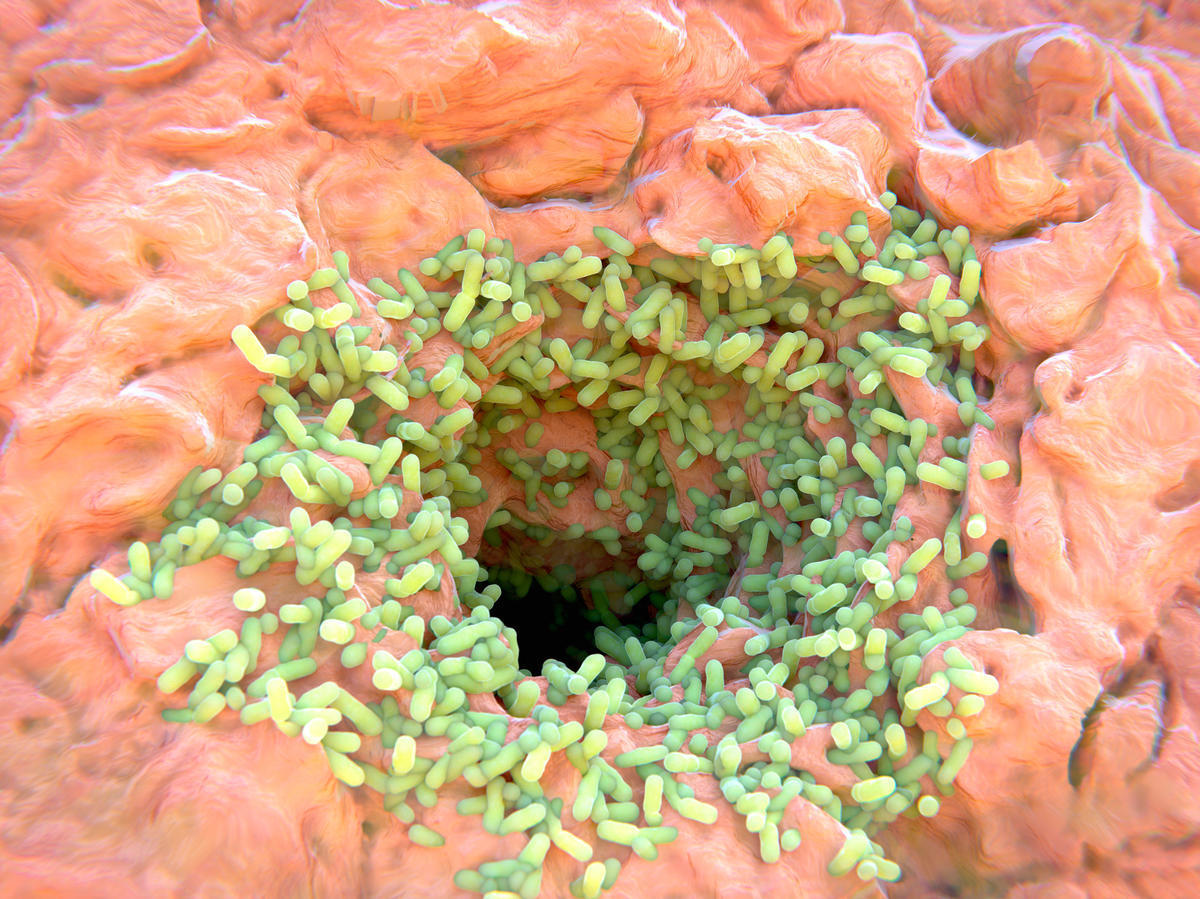
Sweat itself is mostly odorless. Eccrine glands produce watery sweat for cooling, and apocrine glands in the armpits and groin produce thicker sweat with proteins and lipids. Bacteria on the skin, such as Staphylococcus hominis and Corynebacterium, break down the apocrine sweat into volatile compounds with a smell.
Factors that increase body odor
- Puberty, when apocrine glands activate.
- Diet: garlic, onions, curry, red meat and alcohol.
- Stress sweat, which is richer in proteins.
- Hormonal changes.
- Obesity and skin folds.
- Clothing made of synthetic fabrics that trap moisture.
- Genes: a variant in the ABCC11 gene reduces underarm odor. Many East Asians carry it.
- Medical conditions such as hyperhidrosis, diabetes and kidney or liver disease.
- Medications.
Hygiene changes
- Shower daily and wash armpits and groin with antibacterial soap.
- Dry thoroughly.
- Wear breathable fabrics like cotton and moisture-wicking sportswear.
- Wash clothes after wear.
- Shave or trim underarm hair, which reduces the surface for bacteria.
Products

Antiperspirants with aluminum salts reduce sweat. Deodorants mask or kill odor. Apply antiperspirant at night to dry skin for best effect.
Medical treatment
Prescription antiperspirants (aluminum chloride), botulinum toxin injections, iontophoresis or surgery for severe sweating.
Sudden change
A new, unusual odor can signal illness. A fruity smell can indicate diabetic ketoacidosis, an ammonia smell kidney problems and a musty smell liver disease.
See a doctor if
Odor persists despite good hygiene, or sweating is excessive, nighttime or with other symptoms.
Why sweat smells
Fresh sweat has almost no odor. Smell develops when skin bacteria such as Corynebacterium and Staphylococcus break down proteins and lipids from the apocrine glands in the armpits and groin into volatile compounds, including thioalcohols and short chain fatty acids. Genetics, diet (garlic, onions, spices), medications, obesity and hormones affect intensity. A variant in the ABCC11 gene is linked with minimal underarm odor, and is common in East Asian populations.

Control
Wash daily with soap, dry well and wear breathable fabrics. Antiperspirants with aluminum salts reduce sweat, while deodorants kill bacteria or mask odor. Prescription options include stronger aluminum chloride, topical glycopyrronium and botulinum toxin injections. A sudden new body odor change can reflect infections, diabetes or kidney or liver disease, so mention it to a doctor.
Based on data from the American Academy of Dermatology and the International Hyperhidrosis Society