- How Much Does It Cost Apple to Make an iPhone?
- The Breakdown of iPhone Manufacturing Costs
- Component Costs
- Assembly and Labor Costs
- Economies of Scale in Apple’s Production
- Bulk Purchasing Power
- Operational Efficiency
- Research and Development Costs
- Marketing and Distribution
- Environmental and Regulatory Costs
- The Hidden Costs of Support and Warranty
- Comparative Analysis: Apple’s Pricing vs Competitors
- Conclusion: The Real Cost of Making an iPhone
- FAQ
How Much Does It Cost Apple to Make an iPhone?
In today’s digital age, understanding the cost structure of tech giants like Apple is crucial for both investors and tech enthusiasts. This article delves deep into the production costs associated with making an iPhone. We’ll explore the numerous components, labor, and overhead that contribute to the overall cost. With insights from industry experts, we aim to provide a comprehensive analysis of the intricacies involved in the production of one of the world’s most popular smartphones.
The Breakdown of iPhone Manufacturing Costs
The iPhone’s manufacturing cost is influenced by several factors. Primarily, it includes the cost of components, assembly, research and development, and marketing. Each aspect plays a pivotal role in the final pricing strategy adopted by Apple.
Component Costs
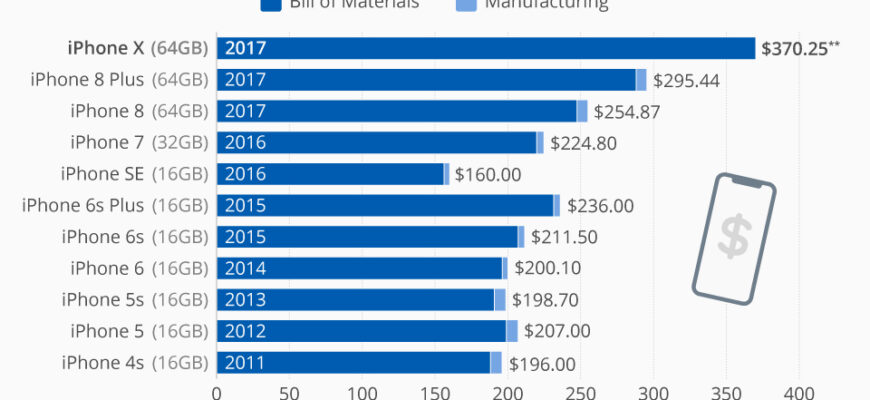
Components constitute the largest part of manufacturing costs. These include the display, processor, memory chips, camera modules, and the battery. According to reports by IHS Markit, the components for a flagship iPhone model can range from $300 to $450. Costs vary based on the technology incorporated and supplier deals.
- Display: As per Display Supply Chain Consultants, OLED screens are more expensive than LCD screens, with costs around $70-$100 per unit.
- Processor: Apple’s custom A-series chips are estimated to cost around $35-$50 each.
- Memory and Storage: Depending on the storage option (64GB, 128GB, etc.), costs can range from $20 to $60.
- Camera Modules: Innovations like triple lens setups have increased costs, with some estimates putting this component around $50-$75.
- Battery: Battery costs are slightly lower, averaging around $15.
Assembly and Labor Costs
While components are the heaviest cost contributors, assembly and labor in manufacturing facilities are substantial. Predominantly assembled in China, labor costs are rising due to increasing wage demands. Industry analysts suggest that labor costs per unit range between $20 and $45.
Economies of Scale in Apple’s Production
Apple benefits from economies of scale, allowing them to reduce per-unit manufacturing costs due to large-scale operations. This scale enables Apple to negotiate better prices on bulk component purchases, which directly influences their total production cost reductions.
Bulk Purchasing Power
Apple’s massive demand means they can secure significant discounts from suppliers. For instance, by ordering millions of units of OLED panels, they might negotiate prices lower than competitors.
Operational Efficiency
Apple’s operations are streamlined to maximize efficiency, from production planning to distribution logistics, which helps in keeping costs at bay.
Research and Development Costs
R&D is crucial for maintaining the iPhone’s competitive edge. According to Apple’s financial statements, R&D expenses have been steadily increasing, with billions allocated annually. These expenses account for the innovation behind new iPhone features.
Marketing and Distribution
The cost to make an iPhone is not just about manufacturing. Apple’s marketing efforts are extensive, utilizing significant budgets to create demand. Their marketing cost strategy includes retail distribution expenditures which can surpass $100 per unit.
Environmental and Regulatory Costs
Sustainability is at the forefront of Apple’s mission. They invest in eco-friendly materials and manufacturing processes to reduce their carbon footprint. Compliance with international regulatory standards adds further to production costs.
The Hidden Costs of Support and Warranty
Apple’s after-sales support and warranty programs, like AppleCare, imply additional costs. These programs ensure customer satisfaction and brand loyalty but necessitate investing in customer service infrastructure and repair facilities.
Comparative Analysis: Apple’s Pricing vs Competitors
Apple’s production costs may appear high, but their pricing strategy is comparatively premium compared to competitors like Samsung and Huawei. The brand’s perceived value and integrated ecosystem contribute to their pricing power.
| Brand | Estimated Production Cost | Retail Price | Profit Margin |
|---|---|---|---|
| Apple iPhone | $370 | $999 | Over 60% |
| Samsung Galaxy | $320 | $799 | Over 50% |
| Huawei Mate | $280 | $699 | Over 55% |
Conclusion: The Real Cost of Making an iPhone
While the material cost is significant, Apple’s value chain extends beyond raw components. From research and development to customer service, every layer adds to the overall expenses, making the iPhone both a technological marvel and a product of strategic business acumen. This deep dive into the costs aims to provide a comprehensive answer to anyone questioning how much it costs Apple to produce an iPhone.
FAQ
- Q: How much does it cost Apple to make an iPhone?
A: Estimated production costs for iPhone models typically range from $370 to $450 depending on the model and year. This includes components, assembly, and other overheads.
- Q: Which component of the iPhone is most expensive?
A: Generally, the display, particularly OLED panels, tends to be the most expensive component, costing between $70 and $100 per unit.
- Q: Is it possible for Apple to further reduce iPhone production costs?
A: Through intensified supply chain negotiations and technological innovations, Apple continuously aims to optimize costs, but certain expenses like labor and materials have natural price floors.
- Q: What impact do marketing expenses have on iPhone pricing?
A: Marketing expenses significantly impact iPhone pricing, often adding over $100 to the overall cost per unit due to extensive global campaigns.
- Q: How do Apple’s economies of scale affect their production cost?
A: Economies of scale allow Apple to reduce per-unit costs by purchasing components in bulk and streamlining production processes.
json