If your blood sugar gets too low, you may feel shaky, sweaty, and confused and can faint. Eat or drink fast-acting sugar, and seek emergency care if severe.
Definition
Hypoglycemia means blood sugar below 70 mg/dL.
Symptoms
- Mild: shaking, sweating, hunger, dizziness.
- Severe: confusion, seizures, fainting.
Treatment
Follow the 15-15 rule: eat 15 grams of fast carbs, wait 15 minutes, recheck.
Emergency
If the person is unconscious, call 911. Use glucagon if available.
Causes
Insulin, skipping meals, alcohol and exercise.
Level of low blood sugar
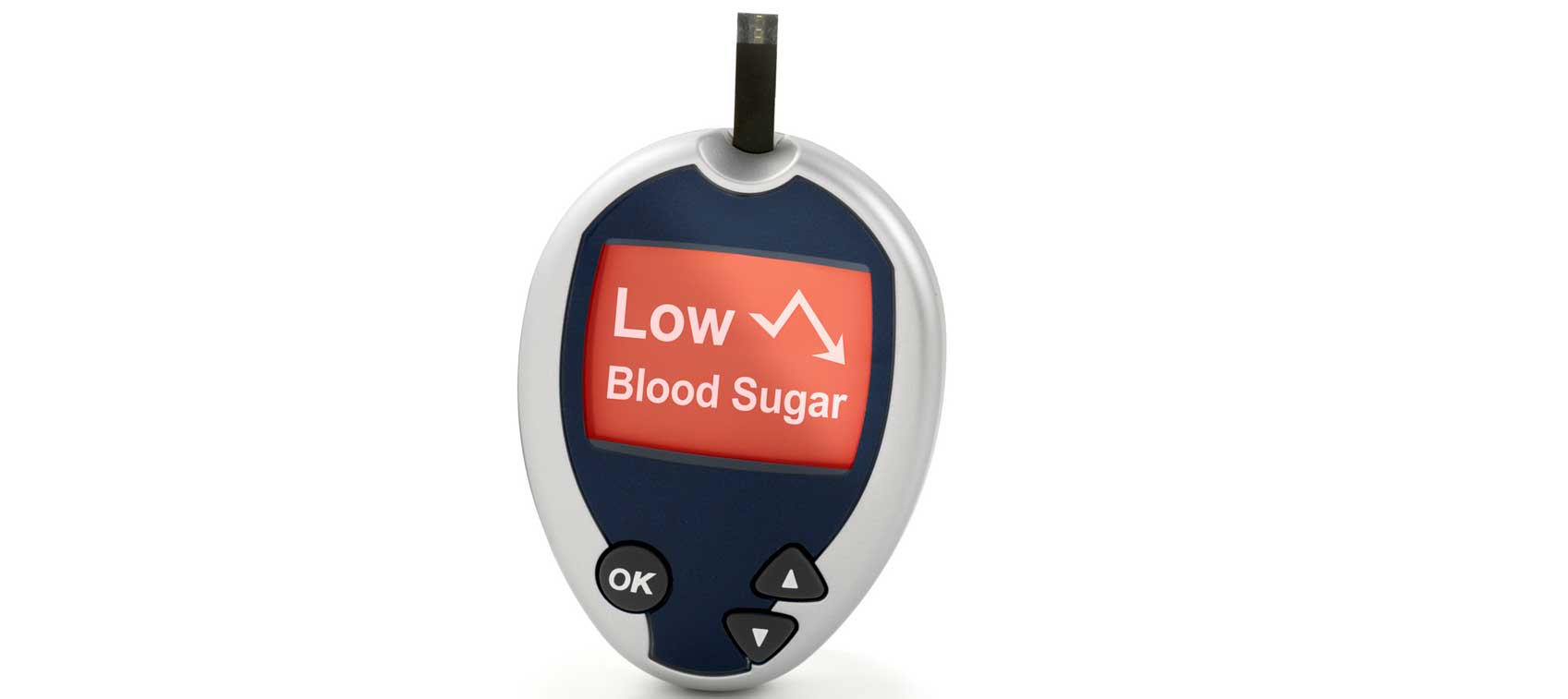
Hypoglycemia is typically defined as a glucose level below 70 mg/dL (3.9 mmol/L). Level 2 is below 54 mg/dL, and level 3 is a severe event requiring help from another person.
Warning symptoms
- Early: shakiness, sweating, hunger, rapid heartbeat, anxiety, tingling lips, pale skin and irritability.
- Later: confusion, trouble concentrating, slurred speech, blurry vision, weakness, clumsiness, headache, drowsiness.
- Severe: seizures, loss of consciousness and, rarely, death if untreated.
Hypoglycemia unawareness
Some people with diabetes lose the early warning signs, increasing risk.
Treatment: rule of 15
- Take 15 to 20 grams of fast acting carbohydrate: glucose tablets, 4 ounces of juice or regular soda, or 1 tablespoon of sugar or honey.
- Wait 15 minutes and recheck glucose.
- Repeat if still below 70 mg/dL.
- Once normal, eat a small snack or meal.

Emergency
If a person is unconscious, having a seizure or cannot swallow safely, do not put food or drink in the mouth. Use glucagon if available (injection or nasal powder), place the person on their side and call 911.
Causes
Insulin or sulfonylurea overdose, skipped meals, extra exercise, alcohol, illness, kidney or liver disease, rare tumors and some medications. Reactive hypoglycemia may occur after meals.
Prevention
- Check blood glucose regularly or use a continuous glucose monitor with alarms.
- Eat balanced meals at regular times.
- Adjust insulin for exercise.
- Carry fast acting sugar.
- Wear medical ID.
- Teach family and friends how to use glucagon.
Driving
Check glucose before driving. The American Diabetes Association advises not driving if below 70.
Long term risks
Frequent severe lows are associated with a higher risk of falls, accidents and cognitive problems.
Numbers that define hypoglycemia
The American Diabetes Association defines level 1 hypoglycemia as glucose below 70 mg/dL (3.9 mmol/L), level 2 as below 54 mg/dL (3.0 mmol/L), and level 3 as a severe event with altered mental or physical state requiring help from another person. Early signs are shakiness, sweating, hunger, fast heartbeat, dizziness and irritability. Severe low blood sugar can cause confusion, seizures, loss of consciousness and, rarely, death.

Treatment and prevention
The 15-15 rule: eat or drink 15 g of fast acting carbohydrate such as glucose tablets, 4 ounces of juice or regular soda, recheck after 15 minutes and repeat if still below 70 mg/dL. If a person cannot swallow or is unconscious, glucagon (injection or nasal) or emergency care is needed, and no food or drink should be placed in their mouth. Call 911 for severe episodes. People on insulin or sulfonylureas should check glucose before driving.
Based on data from the American Diabetes Association and the CDC