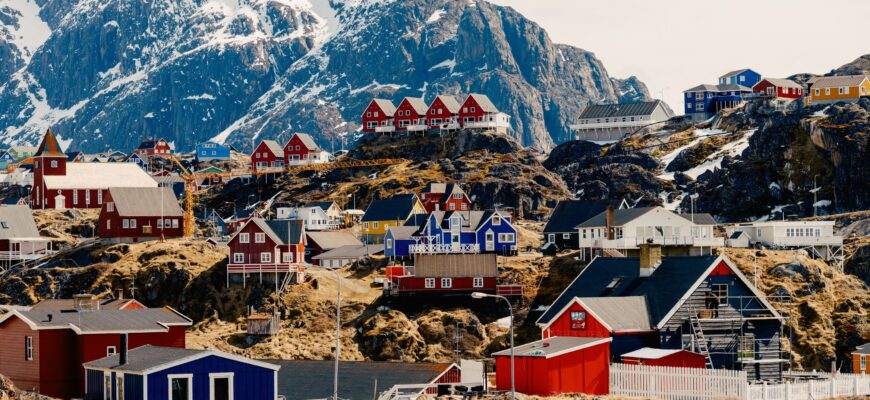
Greenland draws interest for its strategic Arctic location, mineral resources, and role in US and NATO security. Greenland and Denmark have said it is not for sale.
Strategic location
Greenland lies between North America and Europe. The US has had Pituffik Space Base (formerly Thule) there since 1943.
Resources
Rare earths, uranium, zinc, graphite and possible oil and gas.
Arctic
Melting ice opens shipping routes.
Politics
Greenland is a self-governing territory of Denmark, with a population of about 57,000. Its government says it is not for sale.
History
The US offered to buy Greenland in 1946.
Geography
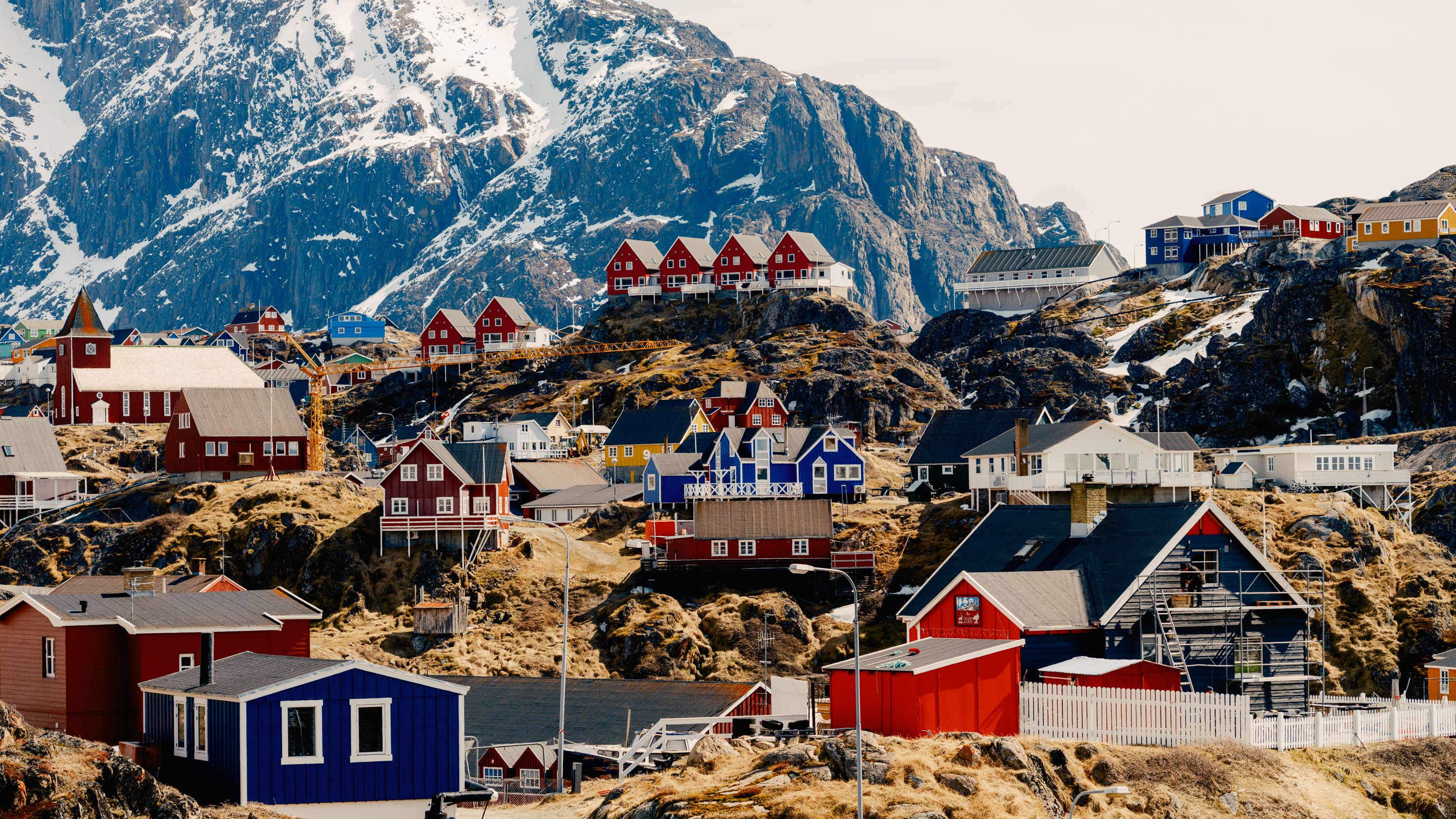
Greenland is the world’s largest island, covering about 2.17 million square kilometers, roughly three times the size of Texas. About 80% is covered by ice, and its population is about 56,000, mostly Inuit. It is an autonomous territory of the Kingdom of Denmark.
Strategic location
Greenland lies between North America and Europe, along the shortest route for missiles from Russia to the US. The US Pituffik Space Base (formerly Thule Air Base) hosts missile warning radars and space surveillance. The US has had military presence there since World War II, and a 1951 defense agreement with Denmark.
Resources
Greenland has deposits of rare earth elements, graphite, zinc, lead, uranium and possibly oil and gas, though extraction is limited by cost, climate and environmental restrictions. China controls most global rare earth processing, which makes alternative sources of interest.
Arctic shipping
Melting ice may open shipping routes such as the Northwest Passage and the Northern Sea Route, and increase access to resources.
US interest history
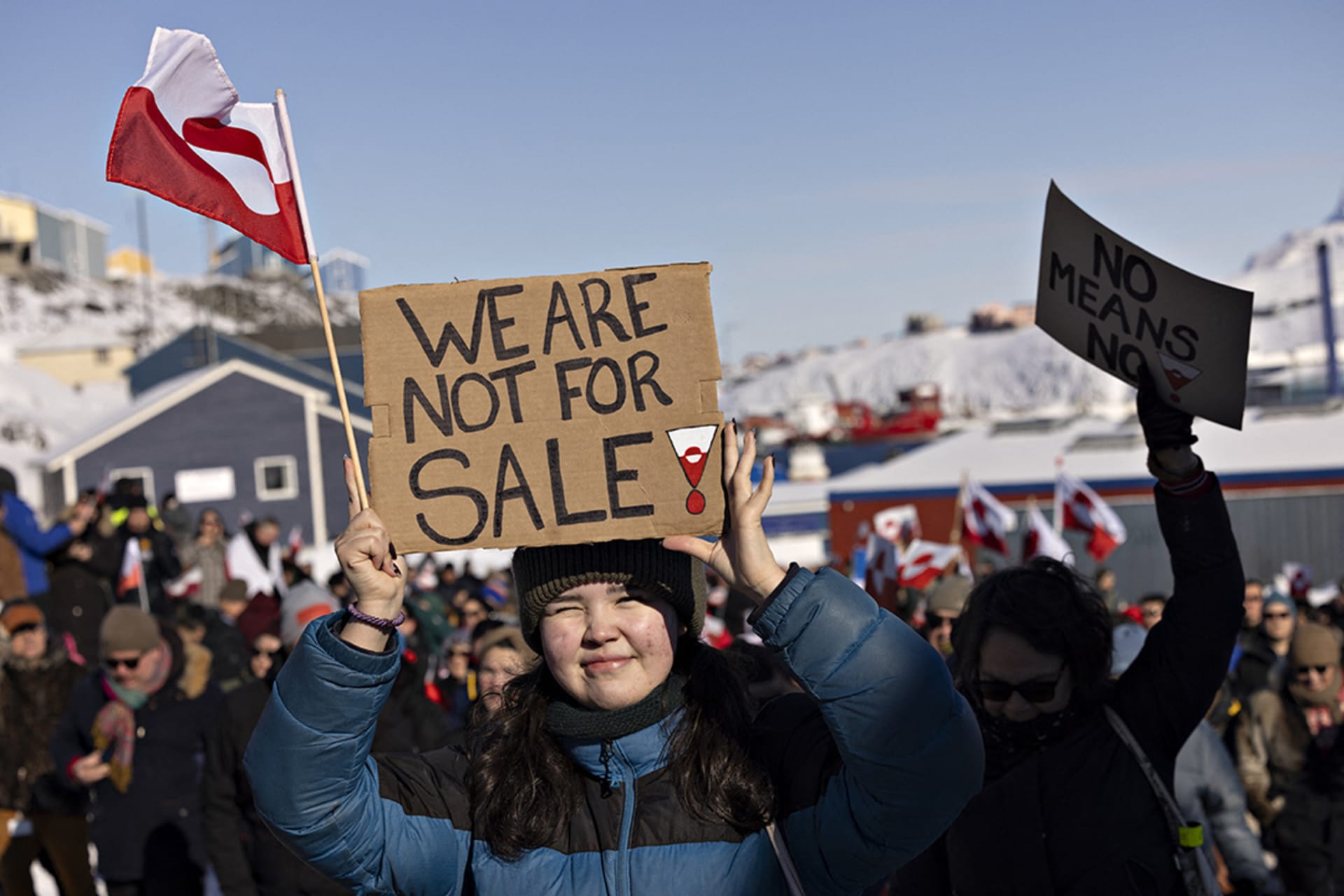
The US considered buying Greenland in 1867, offered Denmark 100 million dollars in 1946, and occupied it during World War II. President Trump publicly floated buying it in 2019 and renewed public statements about acquiring it in 2024 and 2025. Danish and Greenlandic leaders said it is not for sale.
Greenlandic position
Greenland’s government has said the island’s future is for its people to decide. Polls in Greenland have shown majority support for eventual independence, but not for becoming part of the US. Greenland took over self-government in 2009 with the right to declare independence by referendum.
Current status
Politics move quickly, so check recent news from reliable sources.
Facts and strategy
Greenland is the world’s largest island, about 2.17 million square kilometers, with a population of about 56,000. It is an autonomous territory of the Kingdom of Denmark, with self government since 2009. Its location between North America and Europe is valuable for early warning radar, and the US operates Pituffik Space Base in the northwest. The US first proposed buying Greenland in 1867 and again in 1946, and renewed public interest in 2019 and 2025.

Resources and law
Greenland has rare earth elements, uranium, iron ore, graphite and potentially oil, though mining is limited by cost and local politics. A 2021 law banned new oil exploration. Melting ice and Arctic shipping routes raise its strategic significance. Greenlandic and Danish leaders have said the island is not for sale, and its future is a decision for Greenlanders under the 2009 Self Government Act.
Based on data from the Government of Greenland, the US Department of State and the Arctic Council