23andMe works by having you send a saliva sample to a lab, which analyzes your DNA to provide ancestry and health reports.
Process
- Order a kit.
- Spit into a tube.
- Mail it to the lab.
- Results arrive in 3 to 5 weeks.
What it tests
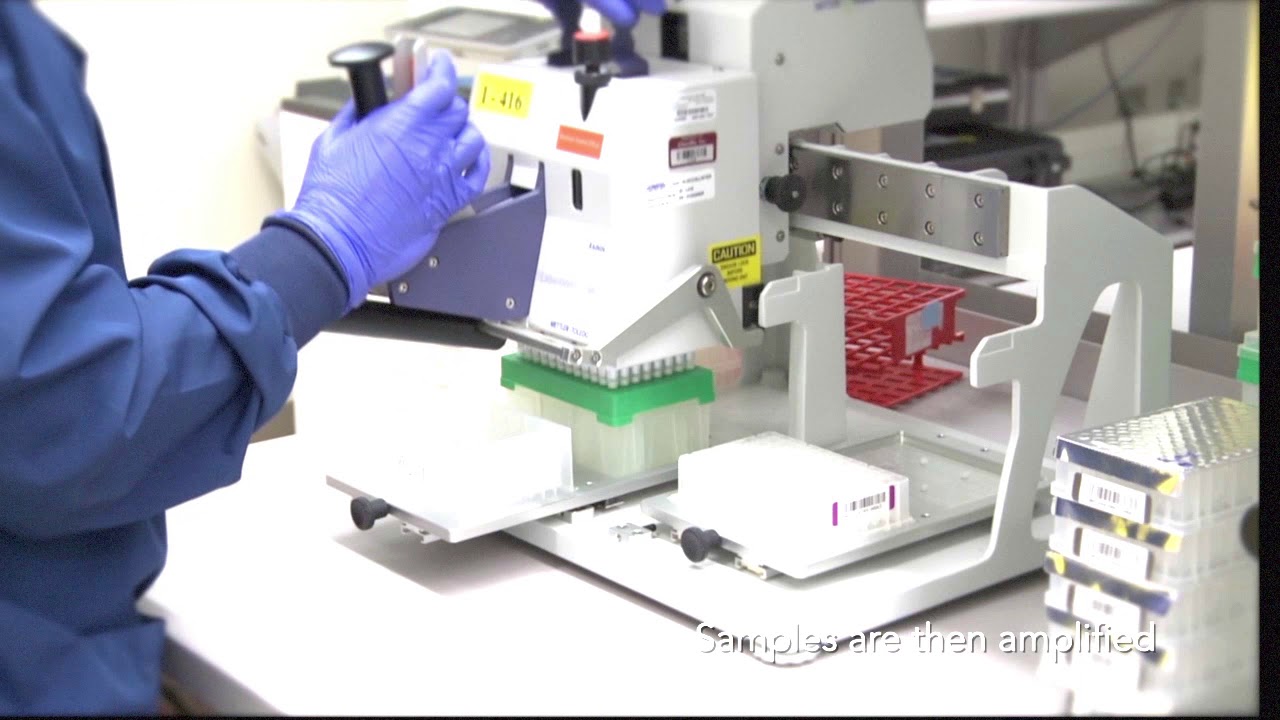
Uses a DNA chip (genotyping) to read about 600,000 genetic markers. It reports ancestry, traits and some health risks.
Limits
It is not a medical diagnosis. It tests only some variants.
Privacy

In 2023, 23andMe had a data breach. In 2025, the company filed for bankruptcy, and customers were told they could delete their data.
Test method in facts
23andMe analyzes DNA from a saliva sample using a genotyping chip that reads hundreds of thousands to about 640,000 single nucleotide polymorphisms (SNPs). Results include ancestry composition, traits and some health reports. The FDA authorized select genetic health risk reports starting in 2017, such as for late-onset Alzheimer disease risk (APOE) and BRCA1/BRCA2 variants.
- The BRCA test checks only three variants common in people of Ashkenazi Jewish descent and misses over 1,000 other variants, according to the FDA.
- The kit is not a diagnostic test, and results should be confirmed by a clinical lab.
- Processing usually takes 3 to 5 weeks after the lab receives the sample.
Privacy and limits

In 2023, a data breach exposed information on about 6.9 million users. The company filed for bankruptcy protection in March 2025, and customers could request deletion of data and sample destruction. Law enforcement may seek data, so read the privacy terms. Ancestry estimates change as reference databases grow. Genetic counselors can help interpret results.
How the test works
23andMe uses a saliva sample and a genotyping chip to read hundreds of thousands of variants, not the whole genome. Ancestry results compare your variants with reference populations. Health reports cover select variants, such as certain BRCA1 and BRCA2 variants, which cover only a small fraction of known cancer risk variants.
Privacy and limits
23andMe filed for bankruptcy in March 2025, and in 2023 a data breach exposed information of about 6.9 million users. Consumers can request deletion of data and sample destruction. Results are not diagnostic, and a clinician or genetic counselor should confirm any health finding with clinical testing.
Technology and accuracy
23andMe used the Illumina Global Screening Array to read about 640,000 genetic markers. Ancestry composition estimates depend on reference panels, and results can change with updates. Health risk reports for variants like APOE e4 or BRCA need confirmation, as the test covers 3 BRCA variants out of over 1,000 known.
Data and company status
The company filed for Chapter 11 in March 2025. Customers can delete accounts and request sample destruction. The 2023 credential stuffing breach exposed profile data of 6.9 million people. Law enforcement access to databases is a privacy concern. Consider genetic counseling before sharing sensitive results.
Based on data from 23andMe and the US Food and Drug Administration