Yes, collecting rainwater is legal in Maryland, and it’s encouraged for gardens and other non-drinking uses.
Legal
Yes. Rainwater collection is legal in Maryland.
Uses
Gardens, lawns, washing and non-drinking use.
Drinking
Treat the water if used for potable purposes and check local rules.
Incentives
Some counties offer rebates for rain barrels (such as Montgomery County RainScapes).
Tips

- Use a screen to keep out mosquitoes.
- Keep barrels covered.
- Don’t drink untreated water.
Check
Local government.
Legal status
Rainwater collection is legal in Maryland for personal use, and the state has no law prohibiting rain barrels. Many counties and cities encourage it to reduce stormwater runoff into the Chesapeake Bay. Some local governments offer rebates, discount programs or free rain barrels, and some also give credits against stormwater fees.

- Collection systems should follow local building and plumbing codes if connected to indoor plumbing, and permits may be needed for larger cisterns.
- Rooftop rainwater contains bird droppings, dust, and roof material, so it is not safe to drink without treatment.
- A 1,000 square foot roof produces about 600 gallons of water from 1 inch of rain.
Uses and tips
Use collected water for gardens, lawns, washing cars and outdoor cleaning. Cover barrels with screens to prevent mosquito breeding and use overflow outlets. Use a first-flush diverter to improve quality. Avoid using water from roofs with treated wood shingles or copper for edible plants. Drinking use needs filtration and disinfection and is regulated by local health departments. Check county rules and incentives.
Legal status
Maryland allows rainwater collection and encourages it, with tax credits for rain barrels in some counties. Check local regulations for plumbing use. Barrels must be covered to prevent mosquitoes.
Uses and tips
Use for gardens, not drinking unless treated. Keep barrels screened.
Legal status
Maryland allows residents to collect rainwater, and it has no statewide ban on rain barrels or cisterns. Rainwater collection is encouraged for stormwater management, and some counties offer rebates for rain barrels or rain gardens. The state treats collected water as a non potable supply unless treated.
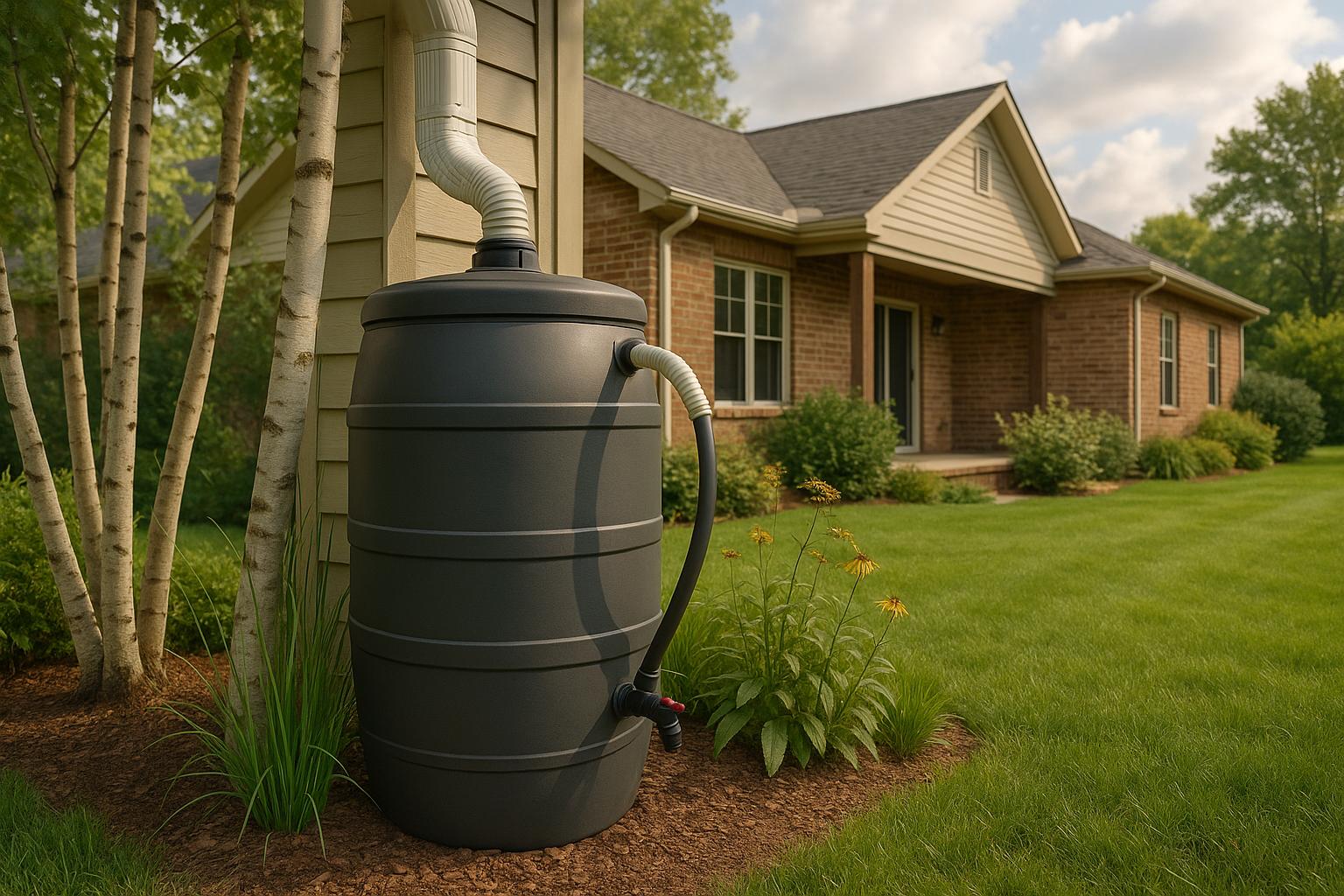
Practical tips
Use a barrel with a screen to keep out mosquitoes and debris, and cover it. Mosquito larvae can breed in standing water within about a week. Rainwater can be used for gardens, lawn and washing, but not drinking without filtration and disinfection, because roofs contribute bacteria, bird droppings and chemicals. Check with the county and homeowners association for rules and plumbing permits if you connect to indoor plumbing. One inch of rain on 1,000 square feet of roof gives roughly 600 gallons.
Based on data from the Maryland Department of the Environment and the Maryland Cooperative Extension