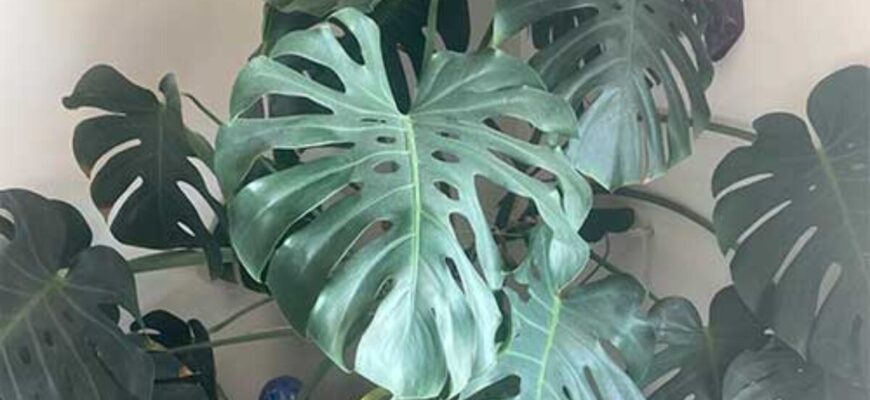
Monstera deliciosa is a hardy, decorative houseplant that is easy to care for. It is toxic to pets if eaten, and its air-purifying effect is minimal.
Benefits
- Hardy and easy to grow.
- Large, decorative leaves with splits.
- Improves indoor look.
Care
Bright indirect light. Water when the top 2 inches of soil dry out. Thrives at 65 to 85°F.
Air purifying
Claims are overstated. NASA’s study doesn’t apply to homes.
Toxic
Toxic to cats and dogs (calcium oxalate crystals).
Growth
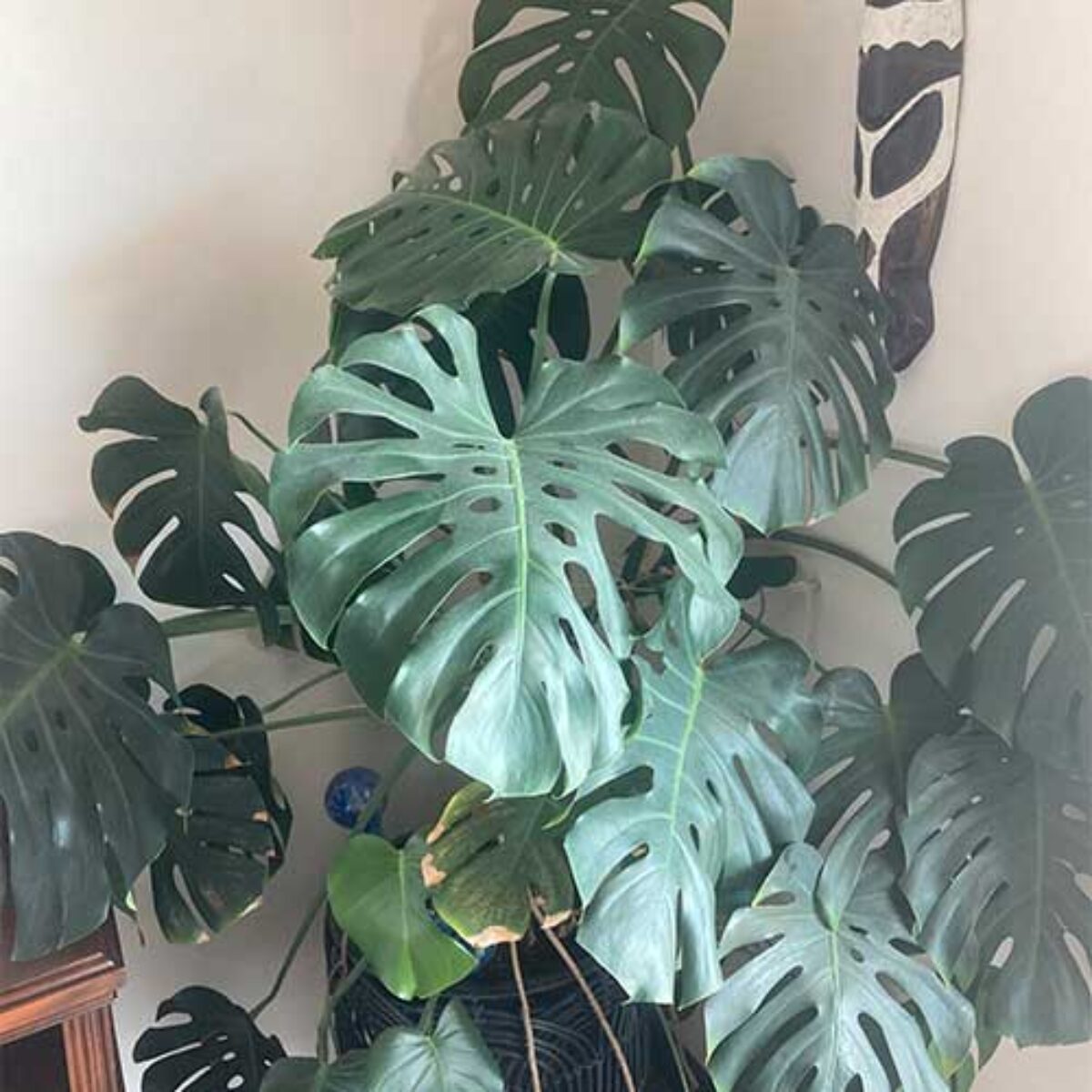
Can reach 8 feet indoors.
Plant characteristics
Monstera deliciosa, also called Swiss cheese plant, is native to Central American rainforests and can climb to 20 m (65 ft) in the wild, with leaves up to 90 cm wide. Indoors it commonly reaches 1.8 to 2.5 m. Its split leaves are called fenestrations.
- It grows best in bright indirect light, temperature of 18 to 30 C (65 to 85 F) and humidity above 50 percent.
- Water when the top 2 inches of soil is dry, and use a well-draining mix.
- Air-purifying claims come from the 1989 NASA Clean Air Study in sealed chambers, and research in 2019 in the Journal of Exposure Science and Environmental Epidemiology indicated that plants have negligible effect on indoor air in real rooms.

Safety
The plant contains calcium oxalate crystals, which can irritate the mouth and cause drooling and vomiting if chewed by pets or children. The ASPCA lists it as toxic to cats and dogs. Wear gloves when pruning if you have sensitive skin. Its ripe fruit is edible, but the unripe fruit irritates the mouth.
Plant characteristics
Monstera deliciosa, the Swiss cheese plant, is native to southern Mexico and Central America. It grows split leaves up to 90 cm wide. NASA’s 1989 study of air purifying plants tested other species and did not show that houseplants clean indoor air meaningfully at home ventilation rates.
Safety
Monstera contains calcium oxalate crystals, making it toxic to cats, dogs and people if chewed. The ASPCA lists it as toxic. Keep out of reach and wear gloves for sap.
Growing conditions
Monstera deliciosa grows in bright indirect light, in well draining soil, with watering when the top 2 inches are dry. It tolerates temperatures from 18 to 30 C. Aerial roots can be attached to a moss pole for support. Mature plants in the wild climb to 20 m and produce fruit called ceriman.

Indoor air and toxicity
A NASA study in 1989 found some plants removed toxins in sealed chambers, but a 2019 review in the Journal of Exposure Science concluded that houseplants have negligible effect on indoor air quality in real buildings, as you need hundreds of plants per square meter. Monstera is toxic if chewed due to calcium oxalate crystals, causing mouth irritation and drooling in pets.
Based on data from the ASPCA and the Journal of Exposure Science and Environmental Epidemiology