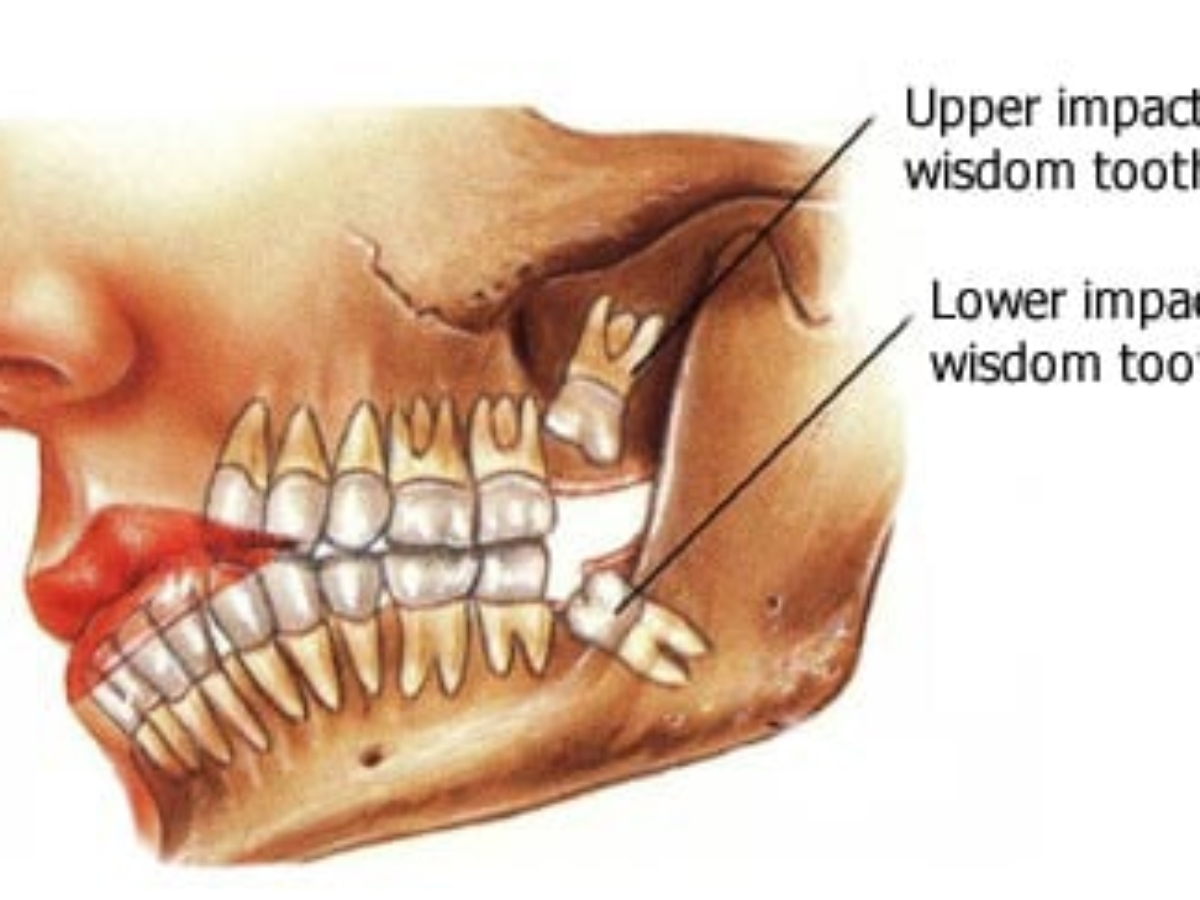
If you never remove healthy wisdom teeth, they may cause no problems, but impacted ones can cause pain, infection, or crowding.
If healthy
Fully erupted, healthy wisdom teeth that you can clean may stay.
Impacted ones
Can cause infection, cysts, damage to neighboring teeth and pain.
Common
About 85% of wisdom teeth eventually need removal (AAOMS estimate).
Monitoring
Dentists use X-rays to watch.
Complications of delay
Removal is harder with age.
Recovery
3 to 7 days.
Decide
Talk to your dentist or oral surgeon.
Likelihood of problems

Healthy, fully erupted wisdom teeth that are properly aligned, cleanable and without disease may not need removal. Impacted wisdom teeth that cannot fully erupt are more likely to cause problems. A 2016 study in the Journal of the American Dental Association found about 12 percent of people developed problems from asymptomatic impacted wisdom teeth over 5 years in a follow-up study. Other research suggests higher rates over time.
- Complications include pericoronitis, cavities in the second molar, gum disease, cysts and crowding.
- Dentists monitor with X-rays about every 1 to 2 years.
- The American Association of Oral and Maxillofacial Surgeons recommends evaluation in the late teens.
When to act
Removing wisdom teeth is easier at younger ages (late teens to early 20s) when roots are not fully formed, and recovery is quicker. Delay can make surgery more complex, with a higher risk of nerve injury or longer healing in older adults. Surgery recovery takes about 3 to 7 days. Decide with your dentist based on X-rays, symptoms and risk.
Likelihood of problems
Studies suggest many people never need wisdom teeth removed if the teeth are fully erupted, aligned and cleanable. Impacted teeth cause problems for a large share. Guidelines from NICE in the UK do not recommend routine removal of healthy wisdom teeth.
When to act
Watch for pain, swelling, cavities, gum disease or cysts. Dentists monitor with X rays. Removal is easier at younger ages.
Potential problems
Wisdom teeth, the third molars, usually erupt between ages 17 and 25. Many people keep them without trouble, but problems include impaction (stuck under the gum or bone), crowding, cavities and gum disease in a spot that is hard to clean, pericoronitis (infection of the gum flap), cysts and damage to the next molar. The American Dental Association does not recommend removal of healthy, problem free wisdom teeth.

Monitoring
Regular exams and X rays track changes. Signs that call for removal include pain, swelling, repeated infection, decay or damage to adjacent teeth. Removing them in the late teens or early twenties usually causes quicker healing than later, since roots are not fully formed. Surgery risks include dry socket (about 2 to 5 percent of cases) and temporary numbness. Many adults never need removal. Ask a dentist about your own X rays.
Based on data from the American Dental Association and the American Association of Oral and Maxillofacial Surgeons