Biting your cheek is usually caused by a misaligned bite, stress, or a habit. See a dentist if it happens often.
Common causes
- Misaligned bite.
- Stress or nervous habit.
- Teeth grinding.
- Eating fast.
- Swelling from a prior bite.
- Dental work or braces.
- Wisdom teeth.
Cycle
Swollen tissue makes biting more likely.
What helps
Salt water rinses and mouth guard.
See a dentist

If it happens often, to fix bite issues.
Why cheek biting happens
Chronic cheek biting may stem from bite misalignment, stress, a nervous habit, or after dental work when numbness makes biting easier. Injuries cause swelling, which makes the area stick out and more likely to be bitten again, creating a cycle.
- Chronic cheek chewing (morsicatio buccarum) is a body-focused repetitive behavior, which affects about 1 to 2 percent of people in some estimates.
- Wisdom teeth, sharp teeth edges and ill-fitting dentures can cause biting.
- Stress and sleep bruxism contribute.
What helps

Rinse with warm salt water, apply topical gel and avoid hot or spicy food until it heals, usually within 1 to 2 weeks. A dentist can adjust the bite, polish rough edges or make a night guard. Habit reversal training and cognitive behavioral therapy treat the repetitive behavior. See a dentist if a sore does not heal in 2 to 3 weeks, since persistent lesions need evaluation to exclude oral cancer.
Why cheek biting happens
Accidental cheek biting is common when chewing quickly, with malocclusion, or after dental work or anesthesia. Chronic cheek biting (morsicatio buccarum) can be a habit linked to stress, similar to nail biting.
What helps
Slow down while eating, treat sores with salt rinses and see a dentist for alignment issues. A mouthguard may help. Persistent sores for over 2 weeks should be examined.
Dental and neurological causes
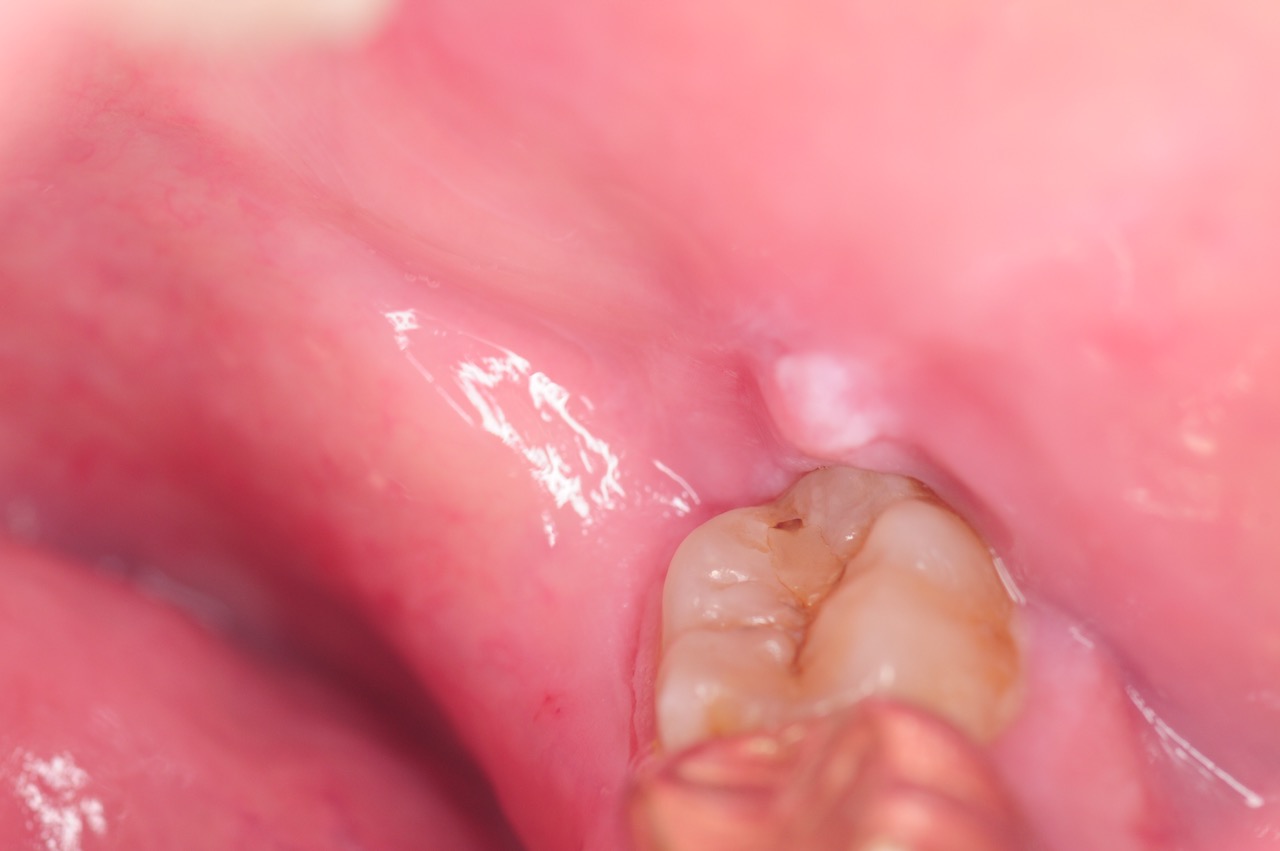
Cheek biting is more common with misaligned teeth, bruxism, cheek chewing habit and after dental anesthesia. Chronic cheek chewing is called morsicatio buccarum and is classified as body focused repetitive behavior, which affects 1 to 3 percent of people.
Treatments
Habit reversal training and cognitive behavioral therapy work for BFRB. A dentist may smooth sharp teeth or fit a splint. Persistent white thickened patches in the cheek should be evaluated, since leukoplakia can be pre cancerous. Mouth ulcers lasting beyond 3 weeks need a biopsy.
Based on data from the TLC Foundation for BFRBs and the American Dental Association