Purple feet can be caused by poor circulation, cold, or Raynaud’s. Sudden color change with pain needs urgent care.
Common causes
- Poor circulation.
- Cold exposure.
- Raynaud’s phenomenon.
- Acrocyanosis.
- Dependent rubor from standing.
- Peripheral artery disease.
- Chilblains.
Warm up
Move and warm the feet.
See a doctor
If the color persists, comes with pain, sores or numbness.
Emergency
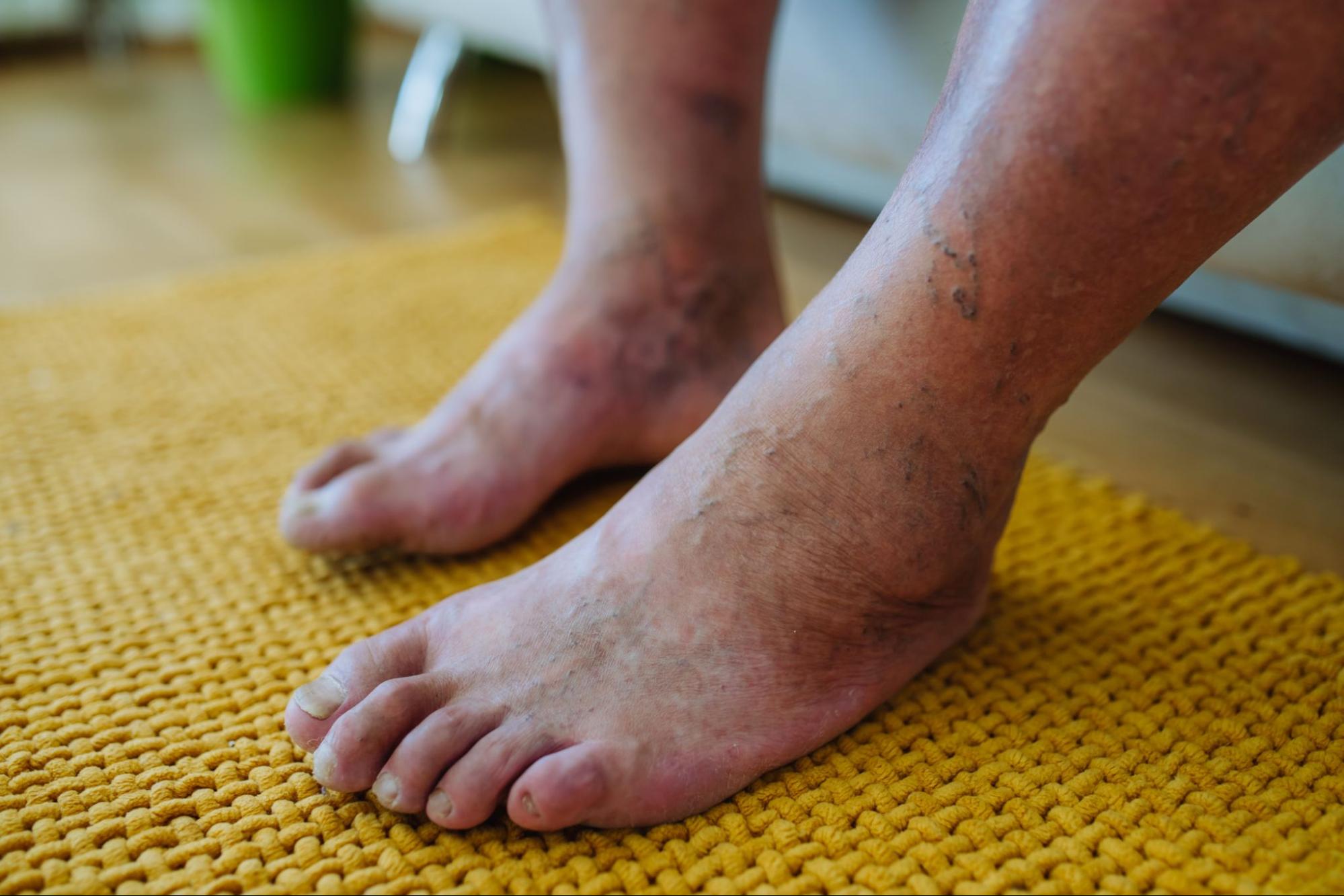
Sudden purple or blue foot with severe pain is an emergency (blocked artery). Call 911.
Why feet turn purple
Purple feet reflect low oxygen in the blood or pooled blood. Cold exposure narrows vessels, giving a bluish-purple color that fades with warming. Acrocyanosis causes persistent blue-purple hands and feet in cold, and is harmless. Dependent rubor appears when feet hang down for long, and venous insufficiency causes purple-brown skin staining around the ankles.
- Raynaud phenomenon affects about 5 percent of people, causing white then blue then red color changes in fingers and toes with cold or stress.
- Peripheral artery disease causes cool, bluish, hairless skin with pain on walking.
- Chilblains cause red-purple swollen patches after cold exposure.
- Blue toes after COVID-19 were reported as “COVID toes.”
When to see a doctor
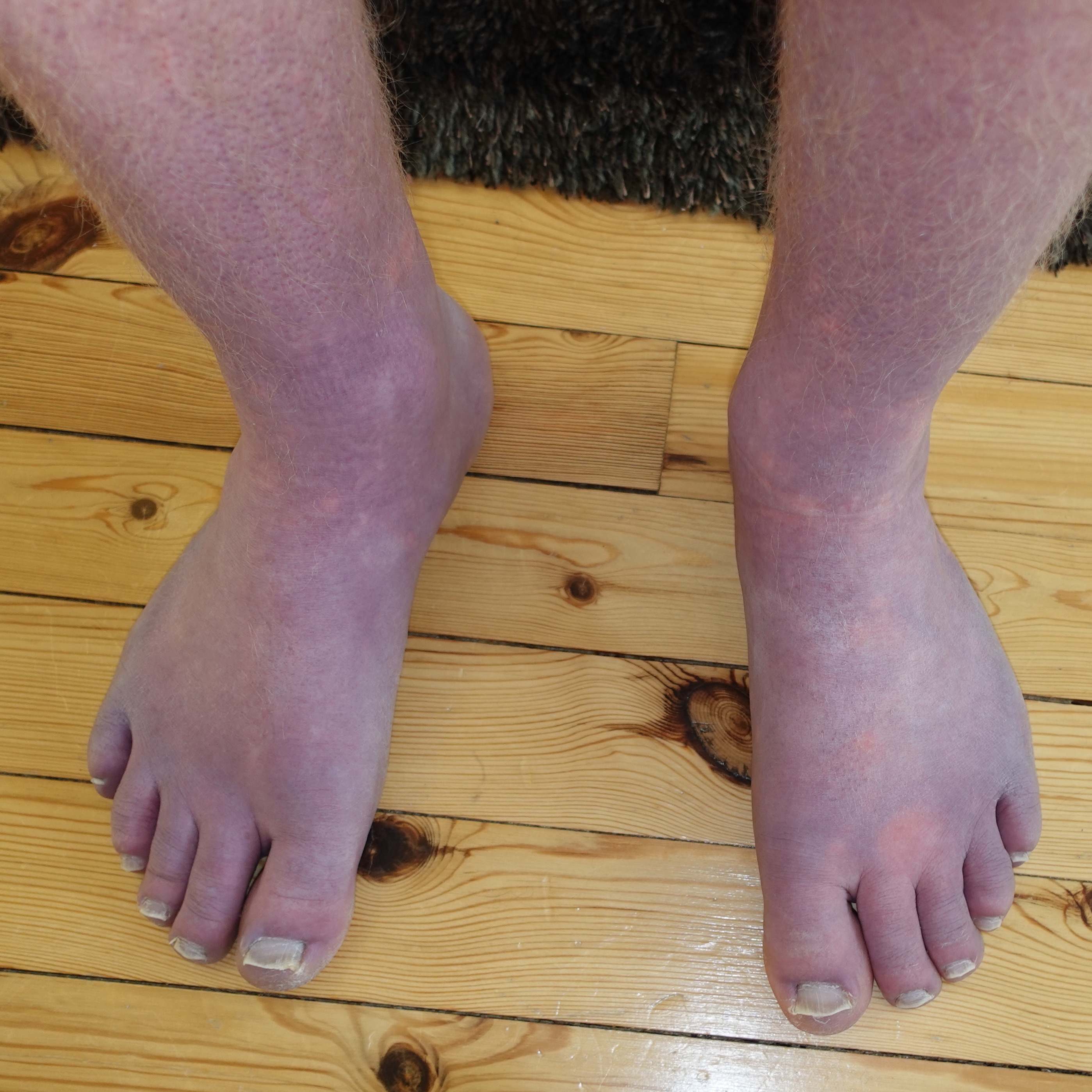
Warm gradually and avoid smoking. See a doctor for purple feet that do not return to normal, with pain, numbness, sores, or in people with diabetes. Sudden cold, painful, pale or blue foot is an emergency, since it may be an arterial blockage. Also seek care if breathing is hard or lips are blue.
Why feet turn purple
Purple feet can result from poor circulation, cold exposure, Raynaud’s phenomenon, acrocyanosis, blood pooling when standing (dependent rubor), peripheral artery disease or a blood clot. Cold can cause temporary blue purple color that resolves with warming.
When to see a doctor
Seek urgent care for purple or blue feet with pain, coldness, numbness, sores, swelling in one leg or if sudden. Diabetes and smoking raise risk of vascular problems. Doctors may use ankle brachial index and ultrasound.
Circulation conditions and tests
Raynaud’s phenomenon affects 3 to 5 percent of people and turns fingers and toes white, then blue or purple, then red in response to cold or stress. Peripheral artery disease affects about 8.5 million Americans over 40 and reduces blood flow, causing cool, discolored feet. Acrocyanosis is a benign persistent blue color of extremities. Frostbite and chilblains also discolor toes.

When to act
Doctors check pulses, ankle brachial index and may order duplex ultrasound. Treat by keeping warm, stopping smoking, controlling cholesterol and diabetes. Calcium channel blockers help Raynaud’s. Sudden cold, painful, pale or blue foot is an emergency (acute limb ischemia). Purple spots after a fall could be bruises, but diabetes related ulcers need prompt review.
Based on data from the Society for Vascular Surgery and the Mayo Clinic