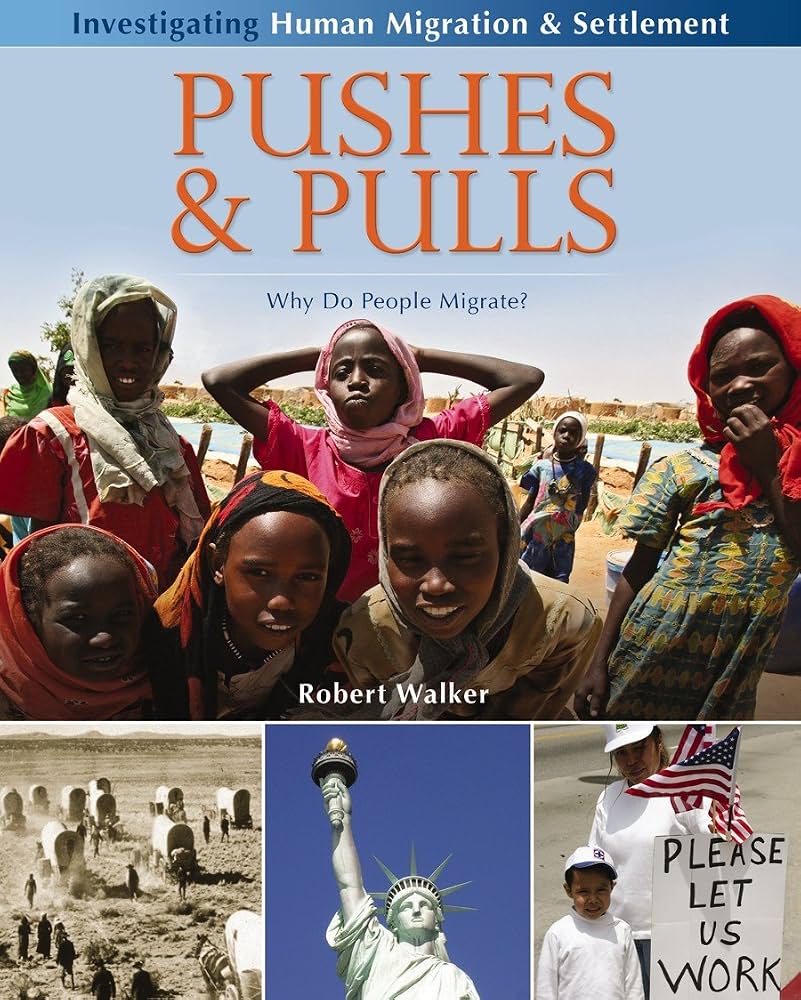
People migrate to find work, safety, better living conditions, education, or to join family.
Push factors
War, persecution, poverty, lack of jobs and climate disasters.
Pull factors
Jobs, safety, education, healthcare and family.
Scale
About 281 million international migrants lived outside their birth country in 2020 (UN).
Refugees
Over 117 million people were forcibly displaced worldwide by the end of 2023 (UNHCR).
Types
Economic, refugee and family migration.
Number of migrants
The United Nations estimated 281 million international migrants in 2020, about 3.6% of the world population. In addition, an estimated 117 million people were forcibly displaced by the end of 2023, according to UNHCR, the highest figure on record.
Push factors
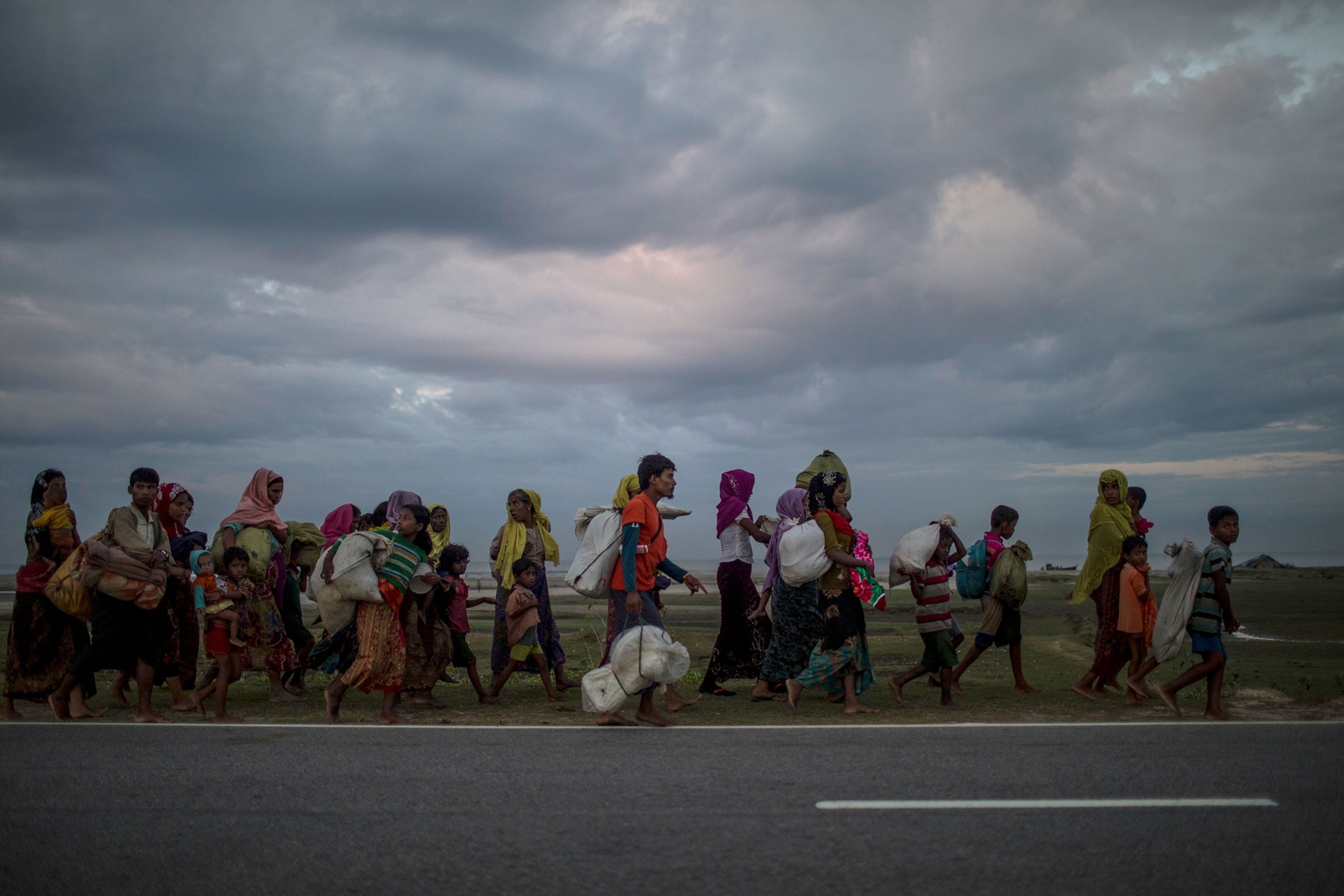
- War, conflict and persecution.
- Poverty and unemployment.
- Natural disasters and climate change.
- Political instability and human rights abuses.
- Lack of education and healthcare.
Pull factors
- Better jobs and higher wages.
- Safety and political stability.
- Education and healthcare.
- Family reunification.
- Freedom and opportunity.
Top destinations
The US has the largest number of immigrants, about 50 million. Other leading destinations include Germany, Saudi Arabia, Russia and the United Kingdom.
Top origins
India has the largest diaspora (about 18 million), followed by Mexico, Russia, China and Syria.
Internal migration
Many people move within countries, such as rural to urban migration. About 56% of the world population lives in cities, according to the World Bank.
Remittances
Migrants sent home about 656 billion dollars to low and middle income countries in 2023, according to the World Bank.
Refugees and asylum seekers
Under the 1951 Refugee Convention, a refugee is someone outside their country who cannot return due to a well-founded fear of persecution.
Climate
The Internal Displacement Monitoring Centre reports that disasters caused 26 million internal displacements in 2023.
History
Humans have migrated since Homo sapiens left Africa about 60,000 to 100,000 years ago.
Who moves and why
The International Organization for Migration estimated about 281 million international migrants in 2020, roughly 3.6 percent of the world’s population. The United States hosts the most, about 51 million. Push factors include conflict, persecution, poverty and climate disasters, while pull factors include jobs, higher wages, family reunification and education. India had the largest diaspora, about 18 million people living abroad.
Flows of money and refugees
Remittances sent to low and middle income countries reached about 656 billion USD in 2023, according to the World Bank, often exceeding foreign aid. UNHCR reported over 110 million forcibly displaced people worldwide by late 2023, including refugees, asylum seekers and internally displaced persons. Most refugees stay in neighboring countries rather than traveling far.
Based on data from the International Organization for Migration, the World Bank and UNHCR