Ear wax usually has a mild smell. A strong or foul smell may signal an ear infection, so see a doctor.
Normal
Earwax has a mild, slightly sour odor.
Strong smell
A foul smell can signal:
- Ear infection (otitis externa or media).
- Ruptured eardrum.
- Cholesteatoma.
- Foreign object.
Other signs
Pain, drainage, hearing loss or fever.
What to do
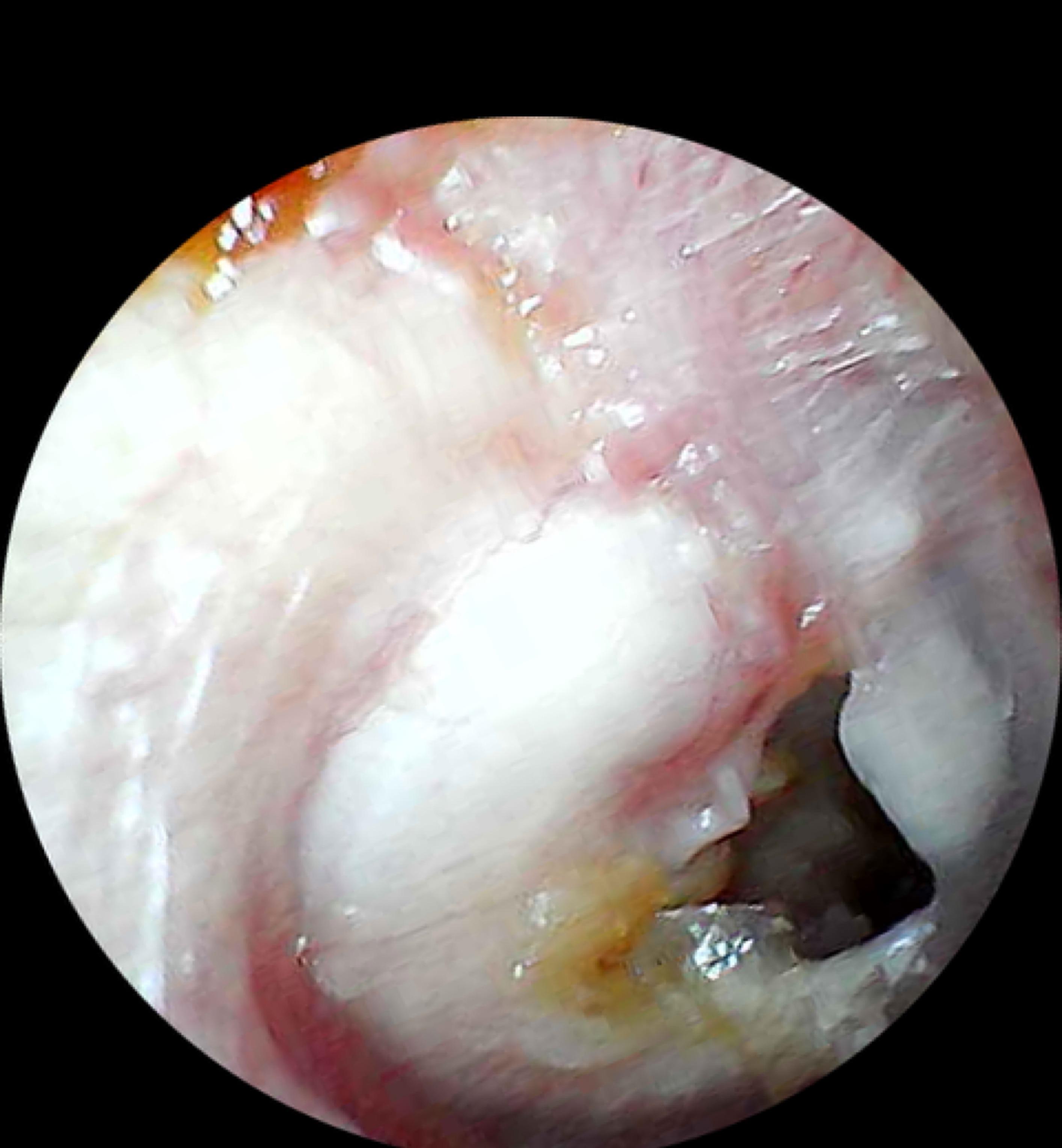
Do not use cotton swabs. See a doctor.
Clean safely
Wipe the outer ear only.
What normal wax smells like
Cerumen is made of shed skin, secretions from sebaceous and apocrine glands, and hair. It is mildly acidic with pH around 6, which discourages bacteria. A mild musty smell is normal. The ABCC11 gene decides wet or dry wax type. Wet, yellow-brown wax is typical in people of African and European descent and has more odor compounds. Dry, flaky wax is common in East Asian populations.
- A strong foul smell often means infection, such as otitis externa (swimmer’s ear), which affects about 1 in 100 people per year in the US.
- Cholesteatoma is a skin growth behind the eardrum that can cause foul-smelling discharge and hearing loss.
- A foreign object, especially in children, can cause smelly drainage.

Safe cleaning
Do not use cotton swabs deep in the canal because they push wax inward and can perforate the eardrum. Soften wax with drops of mineral oil or hydrogen peroxide, then rinse with warm water if the eardrum is intact. See a doctor for pain, discharge, hearing loss or dizziness.
Normal and abnormal
Healthy earwax has a mild, slightly musky smell. A foul odor can signal infection, a foreign body or cholesteatoma. East Asian people more often have dry wax and lower odor due to ABCC11 gene variants.
Cleaning
Do not use cotton swabs deep in the ear. Use over the counter drops and see a doctor for impacted wax, pain, discharge or hearing loss.
Wax biology
Earwax (cerumen) is made by glands in the outer ear canal. Two types exist: wet (yellow brown, sticky) and dry (gray flaky), determined by the ABCC11 gene. Over 90 percent of East Asians have the dry type, versus about 3 percent of Europeans. Wet wax contains more lipids and can smell stronger.

When odor needs attention
A foul smell with pain, discharge, hearing loss or fever suggests infection (otitis externa), a lodged object or cholesteatoma. Avoid cotton swabs, which push wax deeper. Use softening drops such as mineral oil or carbamide peroxide, and see a clinician for irrigation or removal.
Based on data from the American Academy of Otolaryngology and the Mayo Clinic