A US government shutdown happens when Congress and the president do not pass funding legislation by the deadline.
Why
A shutdown occurs when Congress doesn’t pass appropriations bills or a continuing resolution by the start of the fiscal year (October 1), and the president doesn’t sign them.
Effect
Nonessential federal employees are furloughed and some services stop.
Law
The Antideficiency Act bars spending without appropriation.
History
The longest shutdown lasted 35 days, from December 2018 to January 2019.

Back pay
Federal workers got retroactive pay under a 2019 law.
Legal basis and mechanics
A shutdown occurs when Congress and the President do not pass appropriations bills or a continuing resolution before the fiscal year begins on October 1. Under the Antideficiency Act, agencies cannot spend funds that have not been appropriated, so non-essential operations stop. Essential services such as the military, air traffic control and law enforcement continue, though many staff work without immediate pay.
- The longest shutdown lasted 35 days, from December 22, 2018 to January 25, 2019. A 43-day shutdown began October 1, 2025 and ended November 12, 2025, the longest on record, according to news reports.
- The Government Employee Fair Treatment Act of 2019 guarantees back pay for federal employees after a shutdown.
- Contractors do not automatically receive back pay.

Impacts
Effects include furloughs for hundreds of thousands of workers, delays in some data releases, closures at national parks and delays in permits or loans. The Congressional Budget Office estimated the 2018 to 2019 shutdown cost the economy about 11 billion USD, of which 3 billion was permanently lost. Programs funded by mandatory spending, such as Social Security payments, continue.
Legal basis
Government shutdowns occur when Congress fails to pass appropriations bills or a continuing resolution, and the Antideficiency Act bars agencies from spending money without appropriation. The longest shutdown in US history lasted 35 days from December 2018 to January 2019. A later shutdown began October 1, 2025.
Impacts
Federal workers can be furloughed, though essential staff work without pay, and Congress has often approved back pay. Services such as passport processing and national parks can be affected. Social Security and Medicare continue.
History and recent episodes
Since 1980 there have been about 10 funding gaps that resulted in some form of shutdown. The 2018 to 2019 shutdown lasted 35 days and furloughed roughly 380,000 workers while another 420,000 worked without pay. The Congressional Budget Office estimated it cost the economy about 11 billion USD, of which 3 billion was permanent loss.
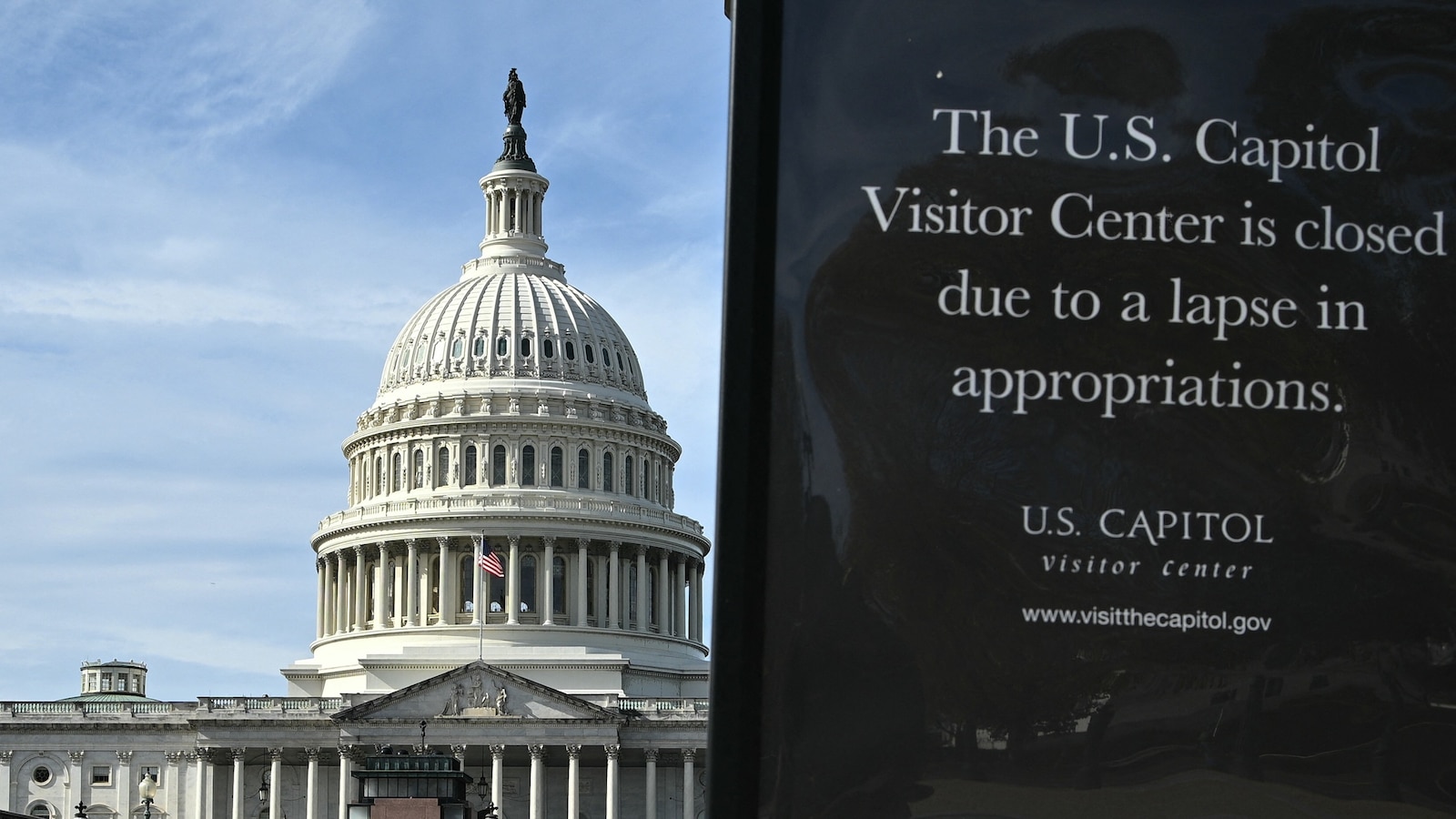
Who is affected
Essential services such as military, air traffic control, TSA and law enforcement continue. National parks may close or reduce services, passport and SBA loan processing slow. Mandatory programs like Social Security and Medicare payments continue. Federal employees receive back pay under the 2019 Government Employee Fair Treatment Act.
Based on data from the Congressional Budget Office and the Office of Personnel Management