Blood in men’s urine can be caused by a urinary tract infection, kidney stones, or an enlarged prostate. See a doctor right away.
Common causes
- Urinary tract infection.
- Kidney stones.
- Enlarged prostate (BPH).
- Prostatitis.
- Exercise or injury.
- Kidney or bladder cancer.
Types
Visible (gross) or detectable only under a microscope.
See a doctor
Promptly. Blood in urine should always be checked.
Emergency

Seek urgent care with severe pain, fever or inability to pee.
Where blood can come from
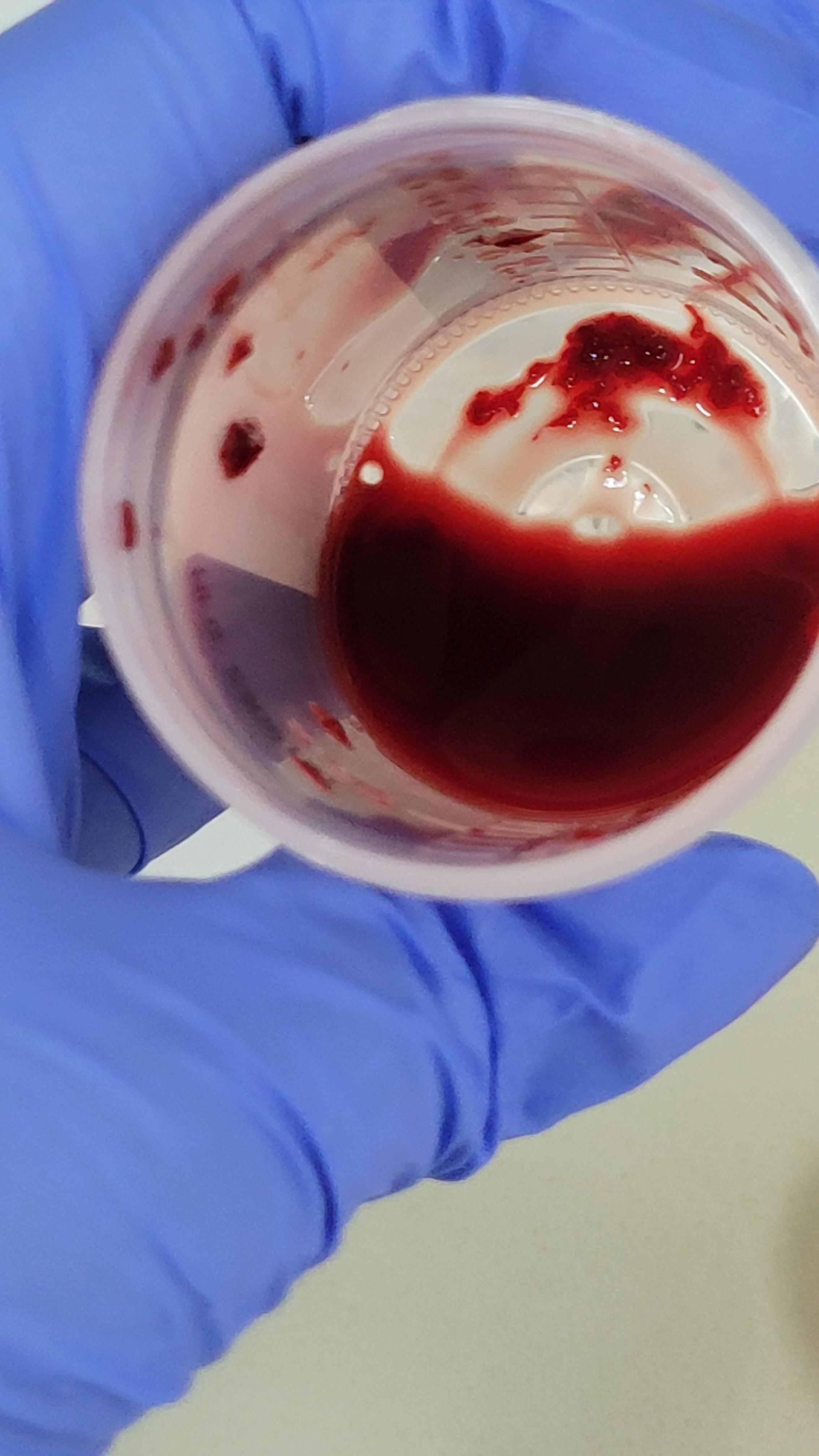
Blood in urine (hematuria) can originate in the kidneys, ureters, bladder, prostate or urethra. Gross hematuria is visible, while microscopic hematuria is found only on testing and defined as 3 or more red blood cells per high-power field. Causes in men include urinary tract infections, kidney stones, enlarged prostate, prostatitis, trauma and cancers of the bladder, kidney or prostate.
- Kidney stones usually cause severe flank pain that comes in waves.
- Bladder cancer is about four times more common in men than women. A key symptom is painless visible blood, and smoking is the largest risk factor.
- Strenuous exercise, such as long-distance running, can cause transient hematuria.
- Some foods, including beets, and drugs such as rifampin or phenazopyridine, can change urine color without blood.
Evaluation

Doctors typically order a urinalysis, urine culture, blood tests, imaging such as CT urography or ultrasound, and often cystoscopy for adults over 35 or with risk factors. Blood thinners may unmask underlying disease and still need workup. Blood clots, inability to urinate, fever or severe pain make it an emergency.
Possible sources
Blood in urine (hematuria) can come from infection, kidney stones, enlarged prostate, bladder or kidney cancer, injury or medications. It may be visible or found only on testing. Smoking is a major risk factor for bladder cancer.
Evaluation
A doctor will test urine, check blood pressure and may order imaging and cystoscopy. Seek urgent care if you cannot urinate, or have fever, flank pain or clots. Even one episode of visible blood should be evaluated.
Causes by age and sex
In younger men, urinary tract infections, kidney stones, injury and exercise are common causes. In men over 50, benign prostatic hyperplasia, bladder cancer and kidney cancer become more likely. About 3 to 5 percent of people have microscopic hematuria on screening. Medications such as warfarin, aspirin and cyclophosphamide can also contribute.
Evaluation and urgency
The AUA guideline recommends evaluation for microscopic hematuria with 3 or more red blood cells per high power field. Initial workup includes urinalysis, culture, CT urography and cystoscopy. Visible blood with clots and trouble urinating is an emergency. Smoking accounts for about half of bladder cancers in men, and bladder cancer is the fourth most common cancer in men.
Based on data from the American Urological Association and the National Cancer Institute