Killing a bald eagle is a federal crime in the US under the Bald and Golden Eagle Protection Act, with fines and possible jail time.
The law
The Bald and Golden Eagle Protection Act (1940) bans killing, selling, possessing or disturbing eagles, their feathers or nests.
Penalties
Up to $100,000 and 1 year in prison for a first offense, with higher penalties for repeat offenses (up to $250,000 for organizations).
Also protected
Under the Migratory Bird Treaty Act.
Exceptions
Native Americans can get feathers through a federal repository for religious use.

If you find one
Contact US Fish and Wildlife Service.
The statutes
Bald eagles are protected under the Bald and Golden Eagle Protection Act of 1940, the Migratory Bird Treaty Act, and the Lacey Act. The species was removed from the Endangered Species list in 2007 after recovering from about 417 nesting pairs in the lower 48 states in 1963 to over 71,400 nesting pairs estimated by the US Fish and Wildlife Service in 2020. Protection still applies.
- A first-offense violation of the Eagle Act is a misdemeanor with fines up to 100,000 USD for individuals and up to 1 year in jail.
- A second offense is a felony, with up to 250,000 USD in fines and up to 2 years in prison.
- Possessing even a feather without a permit is unlawful. Only Native American tribe members can obtain eagle feathers through the National Eagle Repository for religious use.
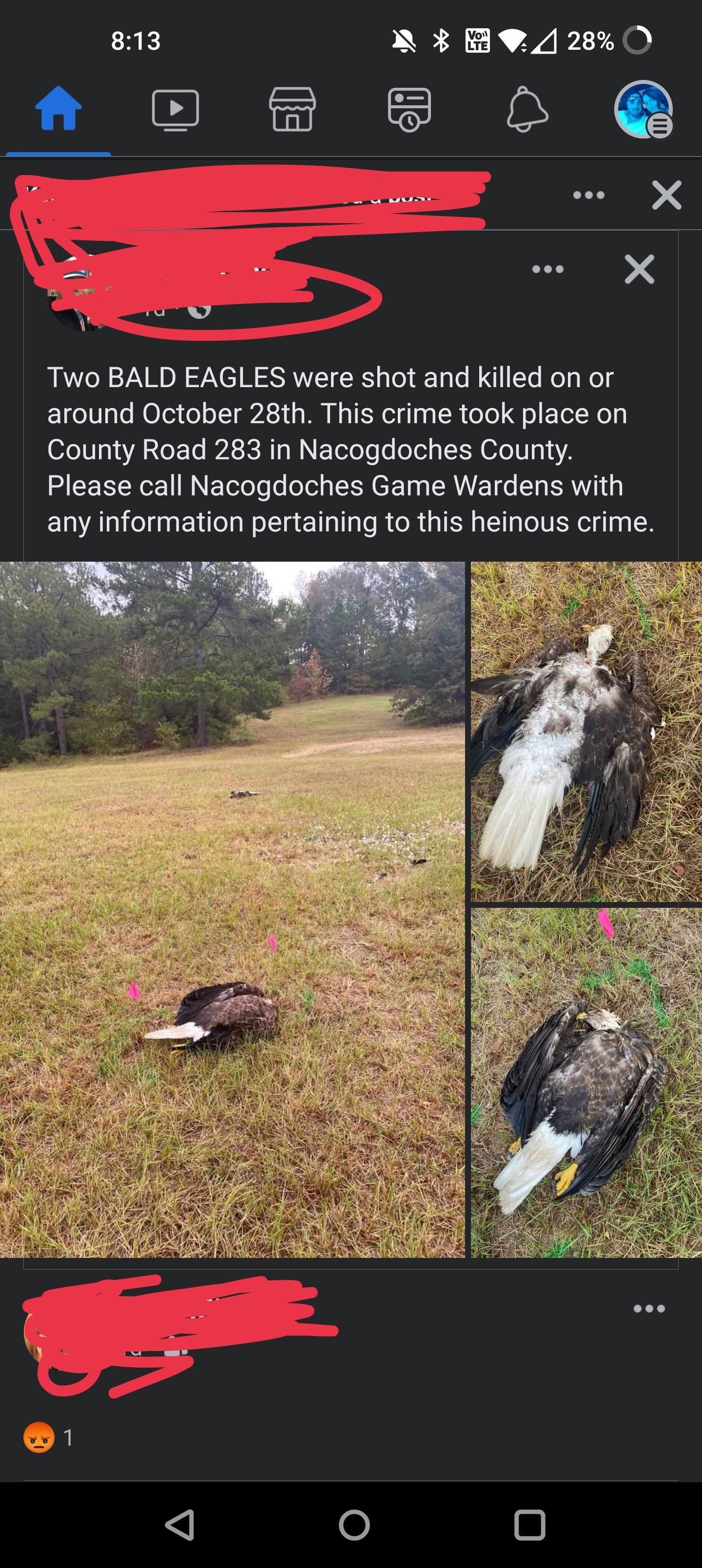
Real cases
Prosecutions include poisoning and shooting cases, and the law also covers disturbing nests. If you find an injured or dead eagle, do not touch it, and call a state wildlife agency or the US Fish and Wildlife Service. Rehabilitators with federal permits care for injured birds. Anyone who kills an eagle accidentally, for example by hitting it with a car, should report it instead of removing the bird.
Legal penalties
The Bald and Golden Eagle Protection Act and the Migratory Bird Treaty Act protect bald eagles. Penalties can reach up to 100,000 USD in fines for individuals and up to one year in prison for a first offense, with higher penalties for repeats under the Eagle Act. The bald eagle was removed from the endangered list in 2007 and remains protected.
Examples
Federal cases involve shootings, poisonings and trafficking in feathers. Native Americans may possess eagle feathers for religious purposes through the National Eagle Repository. Report injured eagles to state wildlife agencies.
Federal statutes in detail
The Bald and Golden Eagle Protection Act (1940) bars taking, possessing or selling eagles, their parts, nests or eggs. A first misdemeanor offense carries up to 100,000 USD in fines and one year in prison for individuals, and 200,000 USD for organizations. Felony convictions can bring up to 250,000 USD and two years. The Migratory Bird Treaty Act and Lacey Act add penalties.

Wildlife background
Bald eagle numbers rose from about 417 nesting pairs in 1963 to over 71,400 nesting pairs and 316,700 individuals in the lower 48 states by 2019, according to the US Fish and Wildlife Service. Lead poisoning and power line collisions are major threats. Report injuries and violations to your state wildlife agency or the Service.
Based on data from the US Fish and Wildlife Service