
Puerto Rico is a US territory that is generally safe for tourists with normal precautions. Check current conditions and weather advisories before traveling.
Overview
Puerto Rico is a US territory. US citizens need no passport. Check the State Department page for the latest advice.
Risks
- Crime, mostly in some areas of San Juan.
- Hurricane season (June to November).
- Power outages.
- Rip currents.
Safe areas
Old San Juan, Condado, Vieques and Culebra are popular.
Tips

- Don’t leave valuables in cars.
- Check the weather.
- Swim at guarded beaches.
Risk picture
Puerto Rico is a US territory, and US citizens do not need a passport to travel there from the mainland. The US State Department generally rates it with normal precautions, and most visitor areas such as Old San Juan, Condado, Isla Verde, Vieques and Culebra see millions of tourists a year. Pre-pandemic arrivals topped 5 million per year, according to the Puerto Rico Tourism Company.
- Crime is concentrated in specific neighborhoods and often involves local disputes, but petty theft from rental cars and beaches occurs.
- Hurricane season runs June 1 to November 30. Hurricane Maria in 2017 caused widespread damage and power outages.
- The power grid has experienced outages, so a flashlight and backup battery are useful.
- Dengue cases have prompted a public health emergency declaration in 2024, so use mosquito repellent.
Practical tips
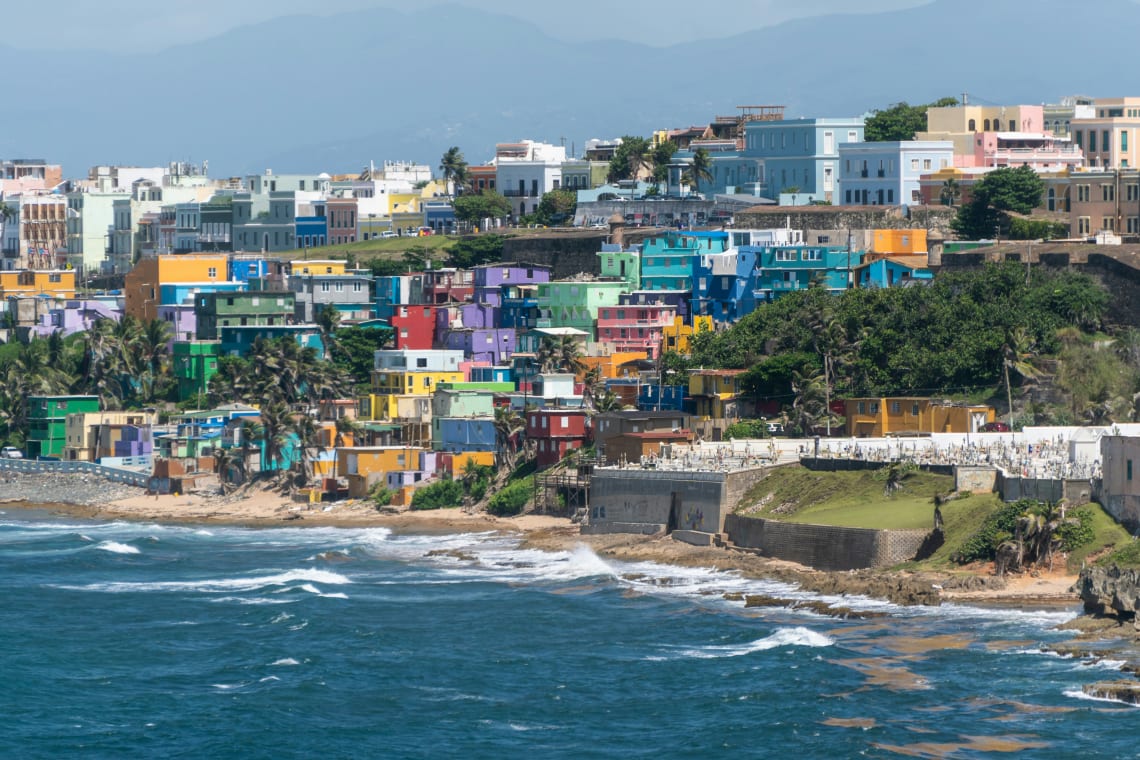
Check travel advisories and weather alerts before travel. Do not leave valuables visible in cars. Rip currents at some beaches are strong, so swim at guarded ones. Rent a car for travel beyond San Juan, since public transport is limited. Travel insurance that covers weather delays is wise during hurricane season.
Risk picture
Puerto Rico is a US territory with no passport needed for US citizens. Crime is concentrated in some urban areas, and petty theft can occur. Hurricane season runs June to November, and Hurricane Maria in 2017 caused major damage. Earthquakes struck the southwest in 2019 and 2020.
Tips
Check official advisories, keep an emergency plan, purchase travel insurance and stay in well rated areas. Rip currents are common on beaches. Emergency number is 911. Mosquito borne illness such as dengue is present, so use repellent.
Hurricane and infrastructure
The island’s power grid has faced outages since Hurricane Maria killed an estimated 2,975 people in 2017 (George Washington University study). Hurricane Fiona hit in 2022. Check lodging backup power and water. Atlantic hurricane season runs from June 1 to November 30.

Crime and health
Puerto Rico’s homicide rate is higher than the US average, but tourist areas such as Old San Juan, Condado and Vieques are commonly visited. Dengue outbreaks occurred in 2024, with a public health emergency declared. Use mosquito repellent. Medical care is available in San Juan, with limited facilities on small islands.
Based on data from the US Department of State and the CDC