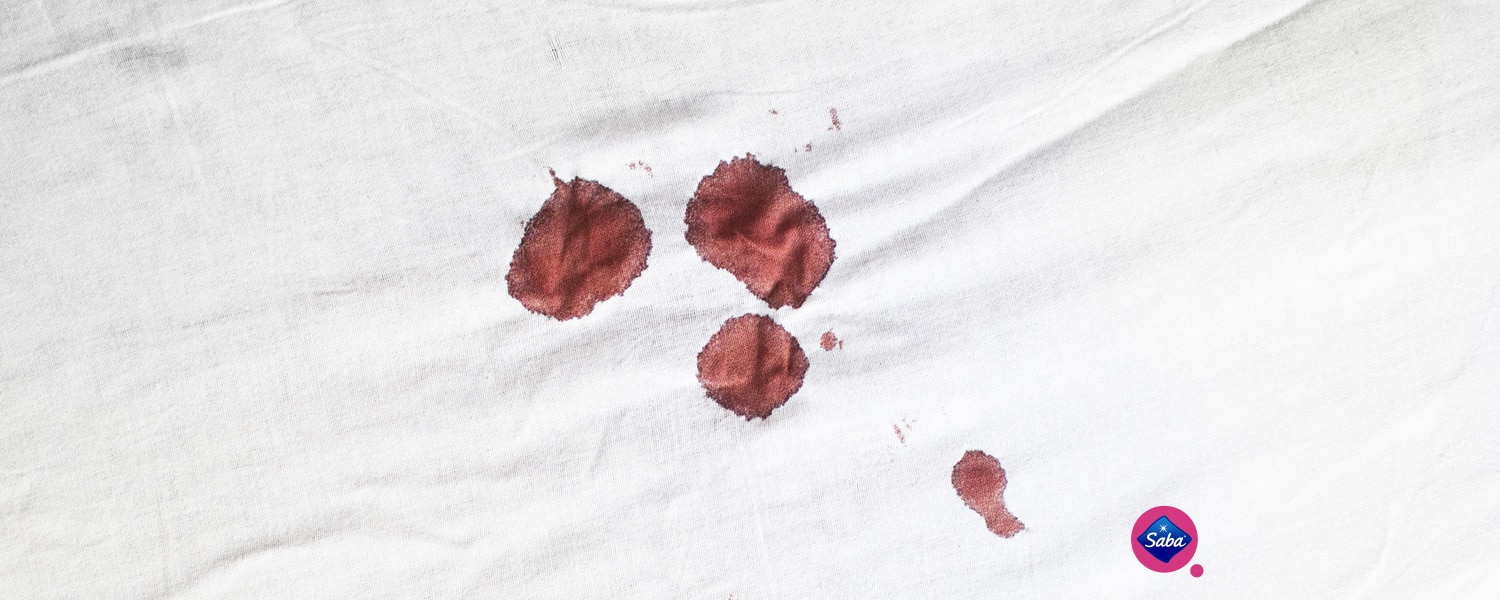
Some people bleed a little the first time they have sex, but many do not. Light bleeding is common, and heavy bleeding needs medical care.
Short answer
Some bleed, many don’t.
Research
About 40% to 50% of people with a hymen bleed the first time. The hymen can stretch without bleeding.
Why
Tearing of the hymen, or friction and dryness.
Myth
Bleeding is not proof of virginity.
Tips
Go slow, use lubricant and communicate.
See a doctor
If bleeding is heavy or pain is severe.
Why bleeding may happen
Bleeding at first intercourse can come from tearing of the hymen’s thin tissue or vaginal tissue, but many women do not bleed. A 2013 study cited in Archives of Gynecology and Obstetrics and other reviews report that only roughly half of women bleed at first intercourse. The hymen varies widely, and it can be stretched by tampons, exercise or other activities earlier.

- Lack of lubrication and tension make tears more likely.
- Light spotting for a day or two can occur.
- The hymen is not a reliable indicator of virginity, a view stated by the WHO in a 2018 statement calling virginity testing unscientific and a human rights violation.
What helps and when to seek care
Taking time, using water-based lubricant and communicating can reduce pain and bleeding. See a doctor if bleeding is heavy (soaking a pad per hour), lasts more than a few days, or comes with severe pain or fever. Persistent pain with intercourse deserves evaluation for infections, vaginismus or other conditions.
Why bleeding may happen
Some people bleed lightly the first time they have vaginal intercourse because of small tears in the vaginal opening or stretching of the hymen, but many do not bleed at all. Studies show that a significant share, around half or more in some surveys, do not bleed, and bleeding is not proof of virginity. A hymen can stretch without tearing, or be naturally thin.
Care and when to get help
Use lubricant, go slowly, and stop if there is pain. Light spotting usually stops within a day. Seek medical care if bleeding is heavy (soaking a pad per hour), continues beyond a couple of days, or comes with severe pain, fever or discharge. Consent and comfort matter, and contraception and STI protection should be discussed. Anyone who has experienced forced sex can contact RAINN at 800-656-4673.
Anatomy and myths
The hymen is a thin fold of tissue at the vaginal opening, with various shapes. Studies show it can stretch or tear from tampons, sports or sex, and many people with intercourse do not bleed. A 2017 review found that bleeding at first intercourse occurs in roughly half or fewer, and virginity testing has no scientific basis, as stated by the WHO, which calls for it to be banned.

Reducing pain and risk
Lubricant, foreplay, relaxation and communication reduce discomfort. Use condoms for STI and pregnancy protection. Persistent pain may be vaginismus or dyspareunia, which are treatable with pelvic floor therapy. For assault, call RAINN at 800-656-4673.
Based on data from the World Health Organization and RAINN