The causes of autism are not fully known but involve a mix of genetic and environmental factors affecting early brain development. Vaccines do not cause autism.
What is known
Autism has a strong genetic basis. Heritability is estimated at 60% to 90%.
Risk factors
- Genetic variants.
- Advanced parental age.
- Prematurity.
- Prenatal exposure to valproate.
- Maternal conditions.
Not causes
Vaccines do not cause autism.
Prevalence
1 in 31 US 8-year-olds (CDC, 2022).

Diagnosis
Early signs by age 2.
What research has shown
Autism spectrum disorder (ASD) is a neurodevelopmental condition with strong genetic contributions. Twin studies estimate heritability at roughly 64 to 91 percent. Hundreds of genes are linked to autism, and some cases are tied to genetic syndromes like fragile X syndrome and tuberous sclerosis.
- The CDC reported in 2023 that about 1 in 36 US 8-year-olds were identified with autism, and the figure rose to about 1 in 31 in 2025 data.
- Risk factors include older parental age, prematurity, low birth weight and some prenatal exposures such as valproate.
- Large studies have found no link between vaccines and autism. A 2019 Danish study of 657,461 children found no increased risk with MMR vaccination.
Diagnosis
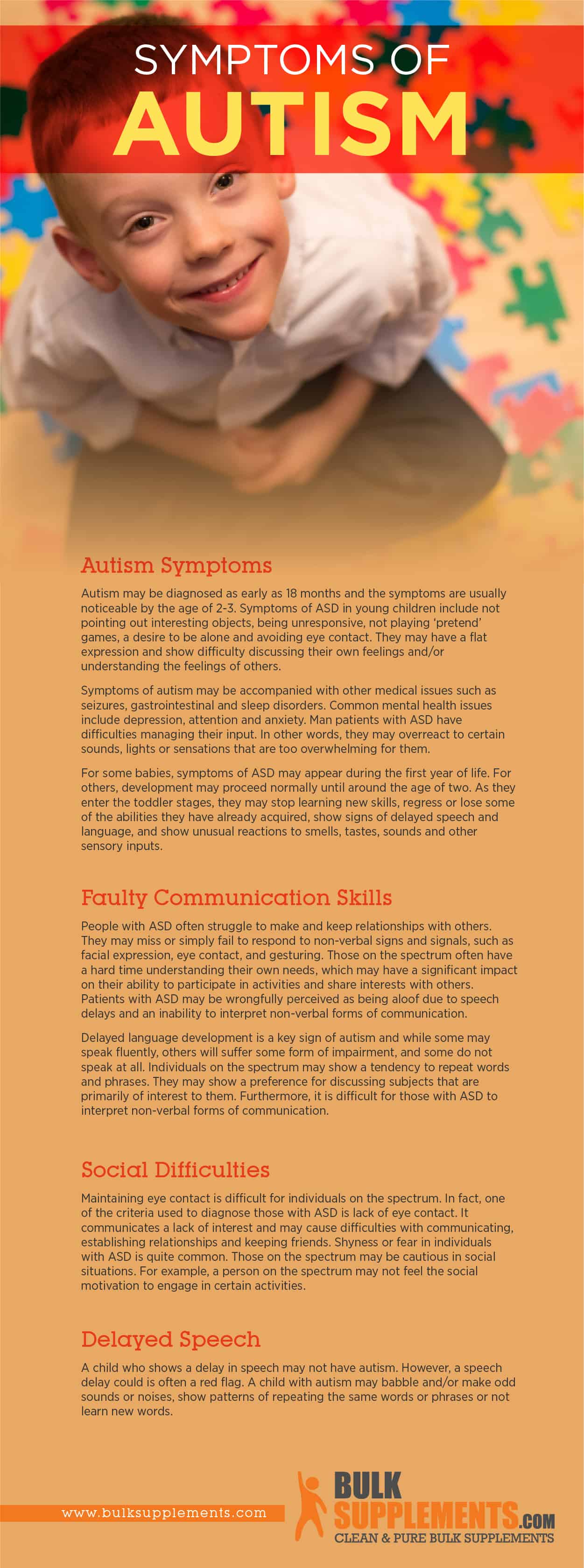
Diagnosis is based on developmental history and behavioral assessment, often by 18 to 24 months, with tools such as the ADOS-2. Early intervention improves outcomes. The retracted 1998 Lancet paper by Andrew Wakefield that proposed a vaccine link was found fraudulent. Parenting style does not cause autism.
What research has shown
Autism spectrum disorder has no single cause. Twin and family studies estimate heritability at about 80 percent, with hundreds of genes involved. Risk factors include older parental age, prematurity and some prenatal exposures such as valproate. Extensive studies including a 2019 Danish study of over 650,000 children have found no link between vaccines and autism.
Diagnosis
The CDC estimated in 2023 that about 1 in 36 US children aged 8 had autism (data from 2020), a figure that has risen with wider awareness and screening. Signs often appear by age 2 to 3, and the American Academy of Pediatrics recommends screening at 18 and 24 months. Early intervention improves language and daily skills.
Genetic and environmental factors
Over 100 genes have been linked to autism, and de novo mutations contribute in a share of cases. The heritability of about 80 percent comes from twin studies like the 2019 JAMA Psychiatry analysis of 2 million people across five countries. Environmental risk factors with some evidence include advanced parental age, preterm birth, maternal diabetes and obesity, and prenatal exposure to valproate.

Myths and facts
Vaccines do not cause autism; this has been shown in studies of over 1.2 million children, such as the 2019 Annals of Internal Medicine study in Denmark. Parenting style does not cause autism. The CDC ADDM network reported a prevalence of 1 in 36 in 2020, up from 1 in 150 in 2000, mainly due to broader diagnostic criteria. Boys are diagnosed about 4 times as often as girls.
Based on data from the CDC and JAMA Psychiatry