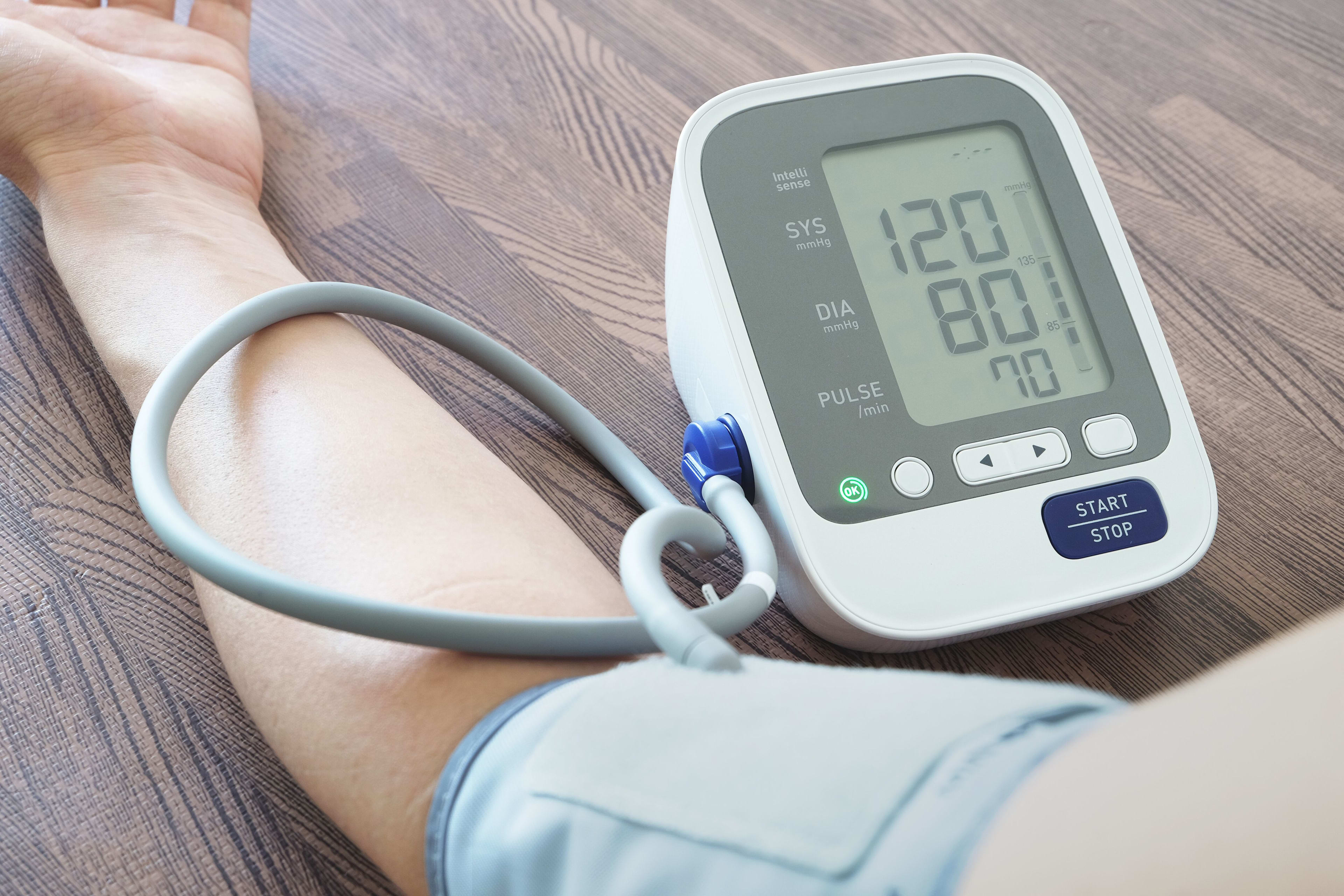
A normal blood pressure is below 120/80 mm Hg.
Categories (AHA/ACC)
- Normal: below 120/80 mm Hg.
- Elevated: 120 to 129 and below 80.
- Stage 1 high: 130 to 139 or 80 to 89.
- Stage 2 high: 140/90 or higher.
- Crisis: above 180/120. Call 911 if symptoms occur.
Low blood pressure
Below 90/60 may cause dizziness.
Measuring
Rest 5 minutes, feet flat and arm at heart level.
Fact
Nearly half of US adults have high blood pressure (CDC).
Check
Get it measured yearly.
Guideline categories in numbers
The 2017 ACC/AHA guideline defines normal blood pressure as below 120 systolic and below 80 diastolic. Elevated is 120 to 129 over below 80. Stage 1 hypertension is 130 to 139 or 80 to 89. Stage 2 is 140 or higher, or 90 or higher. A reading above 180/120 with symptoms is a hypertensive emergency.
- Nearly half of US adults (about 47 percent) have hypertension by the ACC/AHA definition, according to CDC data.
- Pressure rises and falls during the day, lowest in sleep and highest in the morning.
- The European guidelines (ESC) define hypertension at 140/90 in office readings.

How to measure well
Sit quietly for 5 minutes with back supported, feet flat, arm at heart level, with no caffeine or exercise for 30 minutes. Use a validated upper-arm cuff of the right size and take two readings a minute apart, twice daily for a week at home. Diagnosis needs readings on more than one occasion. Treatment includes less sodium (under 2,300 mg per day), DASH diet, exercise and medicines when needed.
Guideline categories in numbers
Under the 2017 ACC/AHA guideline, normal blood pressure is below 120/80 mmHg, elevated is 120 to 129 systolic with diastolic below 80, stage 1 hypertension is 130 to 139 or 80 to 89, stage 2 is 140/90 or higher, and a hypertensive crisis is above 180/120. About 48 percent of US adults have hypertension, according to the CDC.
How to measure well
Sit quietly for 5 minutes, back supported, feet flat, arm at heart level, no caffeine for 30 minutes. Take two readings a minute apart. Use a validated cuff of the right size.
Categories and age
Blood pressure tends to rise with age, and 2017 guidelines set 130/80 as the threshold for hypertension. Children and teens use percentile tables based on age, sex and height. Pregnant women with readings above 140/90 need monitoring for preeclampsia. In older adults, the SPRINT trial found a target below 120 systolic lowered cardiovascular events by 25 percent versus 140.

Home monitoring
Check twice daily for a week to get an average. Use an upper arm cuff validated at validatebp.org. Avoid caffeine, exercise and smoking for 30 minutes. White coat hypertension affects 15 to 30 percent of people. Lower salt (under 2,300 mg), DASH diet, weight loss, exercise and limiting alcohol reduce readings. Medication is considered based on risk.
Based on data from the American Heart Association and the SPRINT trial