Costa Rica is a popular destination generally considered safe for tourists, though petty theft occurs. Check the current US State Department advisory before you go.
Overview
Costa Rica is a popular destination, with over 2 million visitors a year. Check the State Department’s current level before you go. It has been Level 2, Exercise Increased Caution, due to crime.
Common risks
- Petty theft, especially from rental cars and beaches.
- Rip currents.
- Scams.
Safe areas
Popular tourist zones: Arenal, Manuel Antonio and Guanacaste.
Tips
- Don’t leave valuables in cars.
- Swim at lifeguarded beaches.
- Use licensed taxis.
- Buy travel insurance.

Official advisories
The US State Department rates Costa Rica Level 2 (“Exercise increased caution”) in recent updates, mainly due to crime. Check the current advisory before you travel because ratings change.
Tourism scale
Costa Rica welcomed about 2.6 million international visitors in 2023, according to the Costa Rican Tourism Board, and is among Central America’s most visited countries.
Common risks
- Petty theft from rental cars, beaches, hotels and buses (smash and grab). Never leave valuables in a parked car.
- Rip currents. Many tourist drownings occur at beaches. Swim at beaches with lifeguards.
- Drug related violence in some areas, particularly Limon, parts of San Jose and the southern Pacific coast, with homicides rising in recent years.
- Road safety: narrow roads, landslides and heavy rains in the wet season (May to November).
- Natural hazards: earthquakes and volcanic activity (Poas, Arenal, Rincon de la Vieja).
- Wildlife and insect-borne illness such as dengue.

Popular safer destinations
La Fortuna and Arenal, Monteverde, Manuel Antonio, Guanacaste beaches, Tamarindo and Puerto Viejo, which are well traveled by tourists.
Tips
- Use official taxis or ride share apps, and licensed tour operators.
- Carry copies of your passport.
- Do not walk alone at night in cities.
- Use hotel safes.
- Take care with ATM use.
- Buy travel insurance.
- Check vaccines with the CDC. Yellow fever vaccination is recommended for some travelers.
Emergency number
Dial 911.
Practical safety for visitors
Costa Rica received about 2.4 million international visitors in 2023, and tourism is a main pillar of the economy. Petty theft is the most common issue, including bag snatching, theft from parked rental cars and pickpocketing in San José, Limón and busy beach towns. Do not leave valuables in a vehicle, even briefly. Violent crime exists and has risen in some regions, with homicide rates higher in the Caribbean coast and in parts of San José, so visitors should use caution at night in those areas.
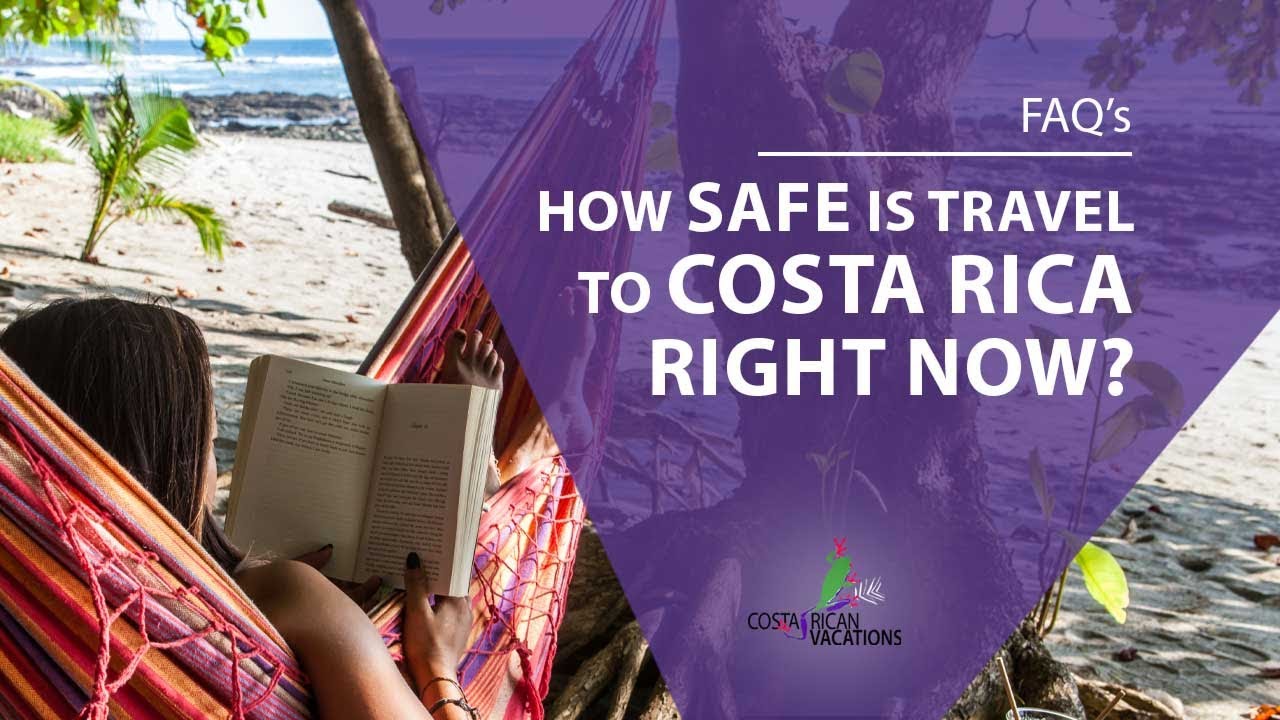
Nature and road risks
Rip currents are a leading cause of tourist deaths on Pacific beaches, so swim where lifeguards are present. Roads can be narrow, winding and affected by landslides in the rainy season from May to November. Volcanoes such as Poás and Rincón de la Vieja can close parks at short notice, so check park status. Travel insurance with medical coverage is advisable. The emergency number is 911.
Based on data from the US Department of State and the Costa Rican Tourism Board