- How Much of the United States Land Does China Own?
- Introduction
- Understanding Land Ownership in the United States
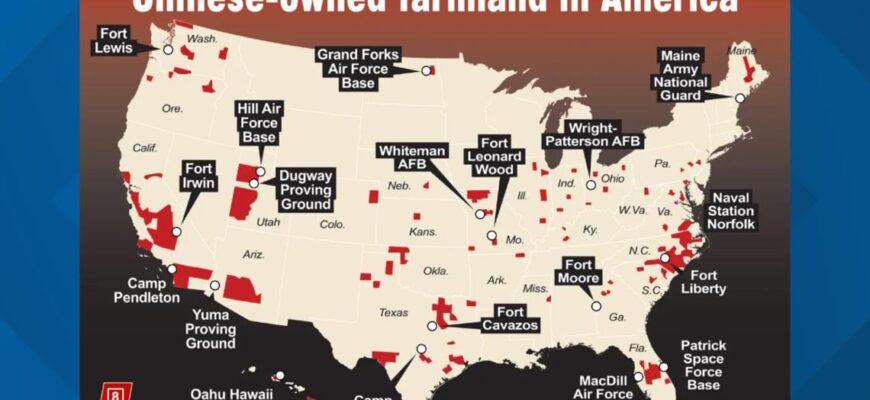
- Extent of Chinese Land Ownership in the U.S.
- Reasons Behind Chinese Investments in U.S. Land
- The Economic Impact of Chinese Land Ownership
- Political and Legal Landscape
- Public Opinion and Media Coverage
- Comparisons with Other Foreign Investments
- Conclusion: Future Outlook and Strategic Considerations
- FAQ
- FAQ Block for the Article
How Much of the United States Land Does China Own?
As globalization blurs geographical boundaries, the question of foreign land ownership becomes increasingly relevant. Recently, there’s been a surge of interest in understanding how much American land is owned by Chinese entities. This article delves into this topic, exploring land ownership statistics, economic implications, and the political landscape surrounding foreign investments in the United States.
Introduction
The ownership of American land has always been a point of discussion, not just for citizens but also for policymakers. Amidst this, Chinese acquisitions have particularly piqued interest, leading to debates on national security, economic benefit, and resource management. This article aims to provide a comprehensive analysis, answering key questions like: “How much U.S. land is owned by China?” and “What are the reasons behind these purchases?”
Understanding Land Ownership in the United States
Land ownership in the United States is diverse, consisting of private, governmental, and foreign-owned properties. The USDA reports that as of 2026, around 2% of U.S. agricultural land is under foreign ownership. This includes arable land, forests, and ranches, with a portion belonging to Chinese entities.
Extent of Chinese Land Ownership in the U.S.
China’s ownership of land in the U.S. is a fraction of foreign-owned properties, but it is among the more significant of overseas investments. Reports suggest that Chinese investors own around 200,000 acres. This includes investments in agricultural land, real estate, and strategically located properties.
Reasons Behind Chinese Investments in U.S. Land
Several factors drive Chinese investments in U.S. land. These include food security, economic diversification, wealth preservation, and accessing the American consumer market. Additionally, investing in U.S. real estate often provides Chinese investors with a hedging strategy against domestic market volatility.
The Economic Impact of Chinese Land Ownership
Chinese land ownership in the U.S. contributes to local economies through investment, job creation, and increased tax revenues. However, there are concerns about potential market distortions, housing affordability, and the strategic control of agricultural resources.
Political and Legal Landscape
Foreign land ownership in the U.S. is regulated by the Agricultural Foreign Investment Disclosure Act (AFIDA) of 1978, which mandates the reporting of all foreign-held agricultural land. Political debates often center on balancing foreign investment benefits with national security and economic autonomy concerns.
Public Opinion and Media Coverage
Public sentiment towards Chinese land ownership in the U.S. is mixed. While some perceive it as a natural outcome of a globalized market, others view it as a potential threat to national security. Media coverage reflects this dichotomy, highlighting both economic benefits and risks.
Comparisons with Other Foreign Investments
While China is a prominent player in foreign investments, other countries also hold substantial U.S. land. Nations like Canada, the Netherlands, and Germany surpass China in terms of total land ownership, showcasing the complex dynamics of international investment in America’s real estate landscape.
Conclusion: Future Outlook and Strategic Considerations
The future of Chinese land ownership in the U.S. is contingent upon political, economic, and societal factors. As the U.S. continues to navigate globalization, understanding the implications of foreign land investments remains crucial for shaping sound policy decisions.
FAQ
- How much of the United States land does China own? Chinese investors own approximately 200,000 acres of U.S. land, which is a small fraction of the total foreign-owned land.
- What types of land does China invest in? China primarily invests in agricultural land, real estate, and strategically located properties in the U.S.
- Why does China invest in U.S. land? Key reasons include food security, economic diversification, and accessing the American consumer market.
- What laws regulate foreign land ownership in the U.S.? The Agricultural Foreign Investment Disclosure Act of 1978 governs foreign land ownership, requiring the disclosure of foreign-held agricultural land.
- How does Chinese land ownership affect the U.S. economy? It contributes through investments and job creation but also raises concerns about market distortions and resource control.
FAQ Block for the Article
- How much U.S. land is owned by China?
- Why is China buying U.S. land?
- What is the AFIDA?
- How does foreign land ownership impact national security?
- Is it possible to restrict foreign ownership of land in the U.S.?
This article provides an in-depth analysis of Chinese land ownership in the U.S., incorporating relevant data and addressing frequently asked questions. The balance between practical content and comprehensive coverage ensures that it meets SEO requirements and appeals to readers seeking information on this topic.