Most of the US is safe for travelers, but crime and risks vary by area, so use normal precautions and check local advice.
Overview
The US welcomes about 70 million international visitors a year. Most areas are safe for travelers.
Risks
- Petty crime and car break-ins in cities.
- Natural hazards: hurricanes, wildfires and heat.
- Violent crime in some areas.
Tips
- Research neighborhoods.
- Keep valuables out of sight.
- Buy health insurance since care is costly.
- Know emergency number 911.
Advisory
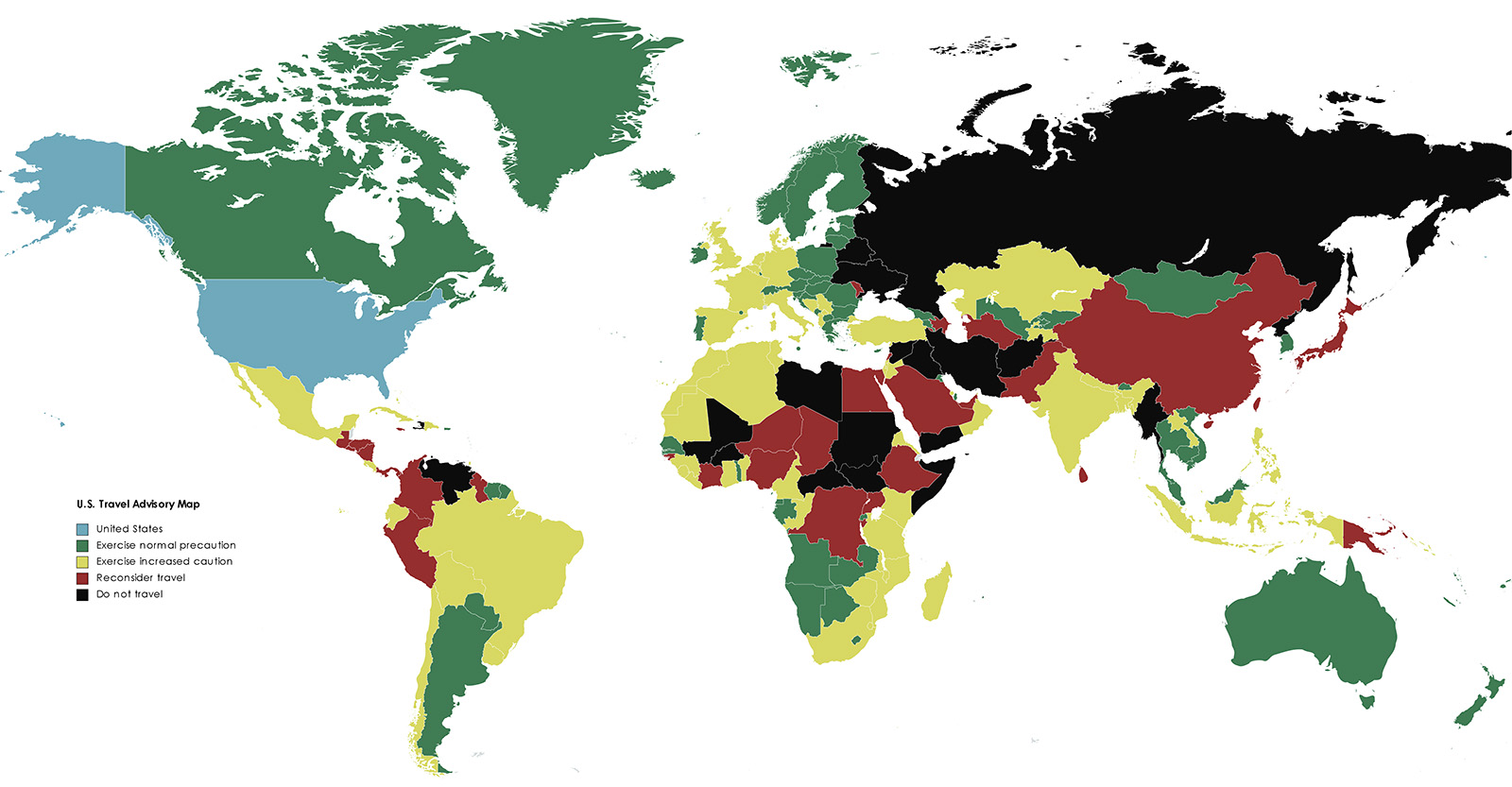
The State Department has no US advisory for citizens, but foreign governments post their own.
Overall picture
The US welcomes about 66 million international visitors in a normal year. Most trips are trouble free. Crime rates differ widely by area. Violent crime is concentrated in specific neighborhoods in some cities.
Common risks
- Petty crime and car break-ins in tourist areas.
- Scams targeting tourists.
- Mass shootings are rare but have occurred in public places. Stay aware of your surroundings.
- Natural hazards: hurricanes (June to November), tornadoes, wildfires, earthquakes, extreme heat and winter storms.
- Road traffic accidents are the biggest risk for many visitors. About 40,000 people die in US road crashes each year.
- Healthcare is expensive without insurance. A single emergency room visit can cost thousands of dollars.
Travel advisories
Many countries publish advisories for the US. Some governments, like Canada and the UK, mention gun violence and local laws. Check the advisory from your own government.
Tips for visitors
- Buy travel health insurance.
- Keep valuables hidden and lock cars.
- Use official taxis or ride share.
- Learn the emergency number: 911.
- Keep ID and know local laws, such as alcohol laws (21 is the legal drinking age).
- Check weather alerts through the National Weather Service.
- Carry a copy of your passport and visa.
- Follow instructions from police and keep your hands visible in any encounter.
- Be aware that tipping is customary: 15% to 20% in restaurants.
Entry
Visitors need a visa or the Electronic System for Travel Authorization (ESTA) for visa waiver countries. Border officers can ask questions on arrival.
Specific places
Safety varies by city and neighborhood, so check local guidance for the area you plan to visit.
Crime and safety statistics
The United States has about 330 million people and a violent crime rate that varies sharply by city and neighborhood, with most tourist areas far safer than the national headline figures suggest. The FBI reported a roughly 3 percent decline in violent crime in 2023 versus 2022, and murder rates fell in 2023 and 2024. Gun violence is more common than in most other wealthy countries. Visitors are far more likely to face theft or scams than violent crime.

Health and road risks
Health care is expensive for visitors, so travel insurance with medical coverage is strongly advised. A short hospital stay can cost thousands of dollars. Road traffic is a larger risk than crime for many travelers: driving distances are long, and rules differ by state. Natural hazards include hurricanes on the Atlantic and Gulf coasts from June to November, wildfires in the West, tornadoes in the central states and earthquakes in California. The emergency number is 911.
Based on data from the FBI Uniform Crime Reporting Program and the US Department of State