Pain on the top of the foot when walking is often caused by tendonitis, tight shoes, or a stress fracture. See a doctor if it persists.
Common causes
- Extensor tendinitis from tight shoes or laces.
- Stress fracture.
- Arthritis.
- Gout.
- Nerve compression.
Home care
Rest, ice and looser laces. Choose supportive shoes.
See a doctor
If you can’t walk, have swelling or the pain lasts over a week.
Runners
Often caused by overuse or a sudden mileage increase.
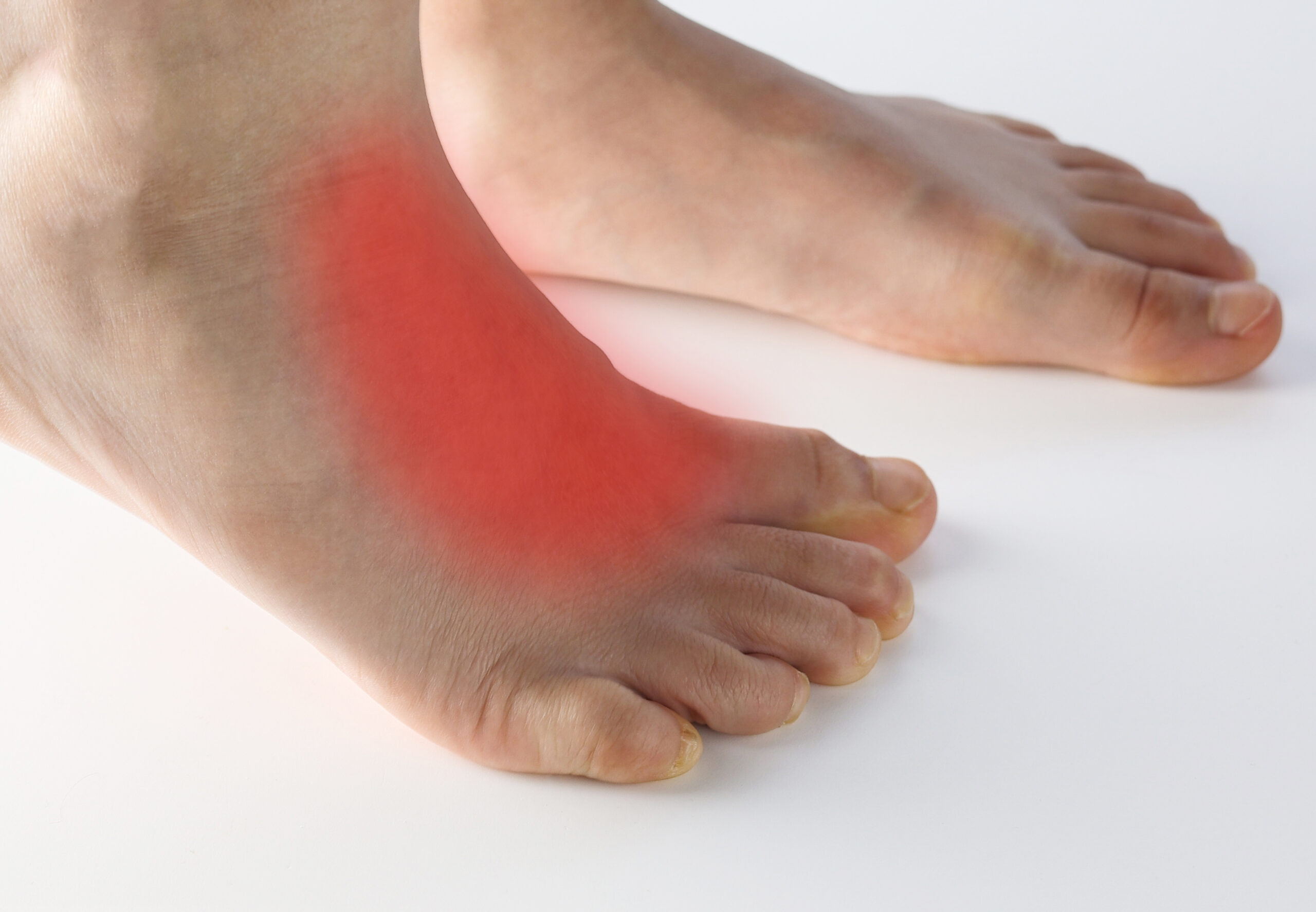
Extensor tendinitis
Pain on the top of the foot with walking is commonly caused by inflammation of the extensor tendons that lift the toes and foot. Tight shoes, laces tied too tight, running uphill or sudden increases in activity can cause it.
Stress fracture
Small cracks in the metatarsal bones (the long bones in the midfoot) from repetitive stress, common in runners, dancers and military recruits. Pain increases with activity and eases with rest, and there may be swelling at a specific point.
Other causes
- Osteoarthritis of the midfoot joints, with a bony bump on top.
- Gout, with sudden severe pain, redness and swelling, mostly in the big toe but can affect the top of the foot.
- Ganglion cyst.
- Nerve entrapment, such as deep peroneal nerve compression (anterior tarsal tunnel).
- Lisfranc injury (a midfoot sprain or fracture).
- Bruise or injury.
- Sinus tarsi syndrome.

Home care
- Rest and avoid activities that hurt.
- Ice for 15 to 20 minutes several times daily.
- Loosen laces and use a tongue pad.
- Wear shoes with room in the toe box and good cushioning.
- Compression and elevation.
- NSAIDs when safe.
- Stretch calves and strengthen foot muscles.
For runners
Increase mileage no more than 10% per week, replace shoes after 300 to 500 miles and vary surfaces.
See a doctor if
Pain is severe, follows an injury, you can’t bear weight, there is major swelling, bruising, deformity, redness with fever, numbness, or pain lasts more than 1 to 2 weeks. Imaging such as X-ray or MRI may be needed.
Tendons and bones
Pain on top of the foot when walking is often extensor tendinitis from tight laces or overuse, but can also be a metatarsal stress fracture, gout, arthritis or a nerve problem. Stress fractures account for about 10 percent of sports injuries in runners, and the second and third metatarsals are common sites.

Treatment
Rest, ice, supportive shoes with looser lacing, and reduced activity often help tendinitis. Stress fractures may need a walking boot for 6 to 8 weeks. See a doctor if there is swelling, bruising, inability to bear weight or pain at night. X rays, MRI or ultrasound can confirm the cause.
Based on data from the American Academy of Orthopaedic Surgeons and the Mayo Clinic