Single-phase power uses one alternating current and suits homes, while three-phase uses three currents offset in time and is more efficient for industry.
Single phase
- Two wires (live and neutral).
- 120/240 V in US homes.
- Suits homes and small loads.
Three phase
- Three live wires, 120 degrees apart.
- Used for industry and large motors.
- More efficient for high power.
- Delivers constant power.
Voltage
Common US three phase: 208, 480 V.
Cost
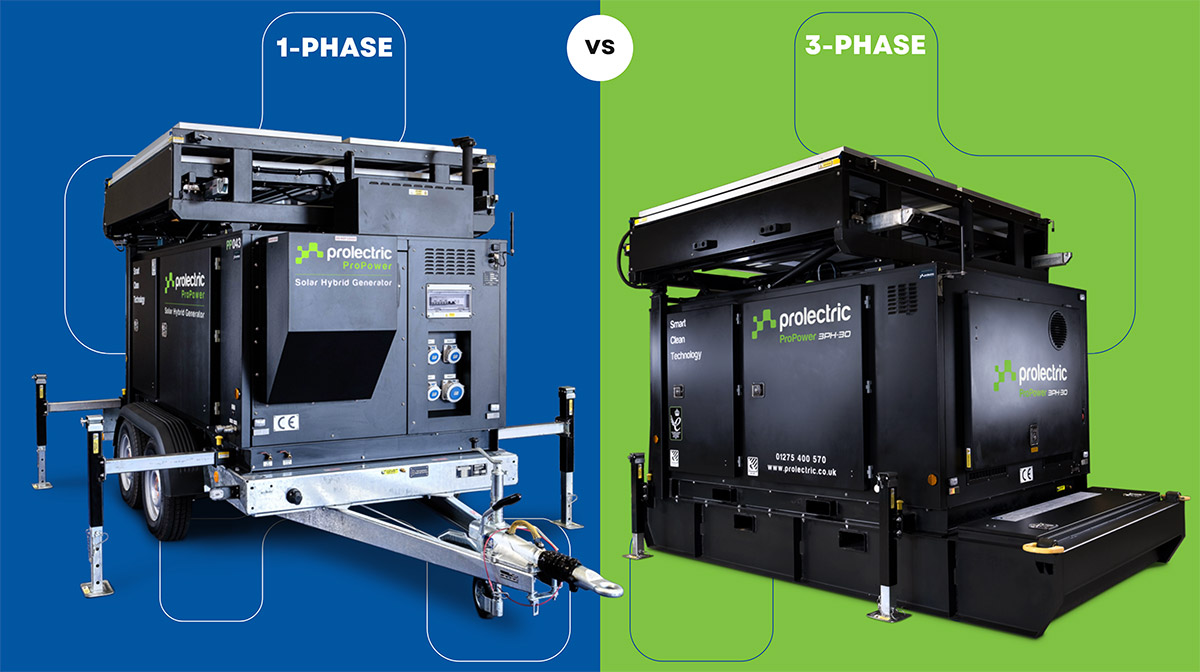
Three phase equipment is costlier but more efficient.
Electrical differences
Single-phase power uses one alternating current waveform. In the US, homes get 120/240 V split-phase supply. Three-phase power uses three waveforms 120 degrees apart, providing constant power delivery and used in industry and large buildings, commonly at 208 V, 480 V or 400 V in Europe.
- Three-phase delivers about 1.73 times (square root of 3) more power than single-phase at the same current and line voltage.
- Three-phase motors are smaller, more efficient and self-starting compared to single-phase motors of equal power.
- Single-phase wiring needs two or three conductors, and three-phase needs three or four.
Cost and uses
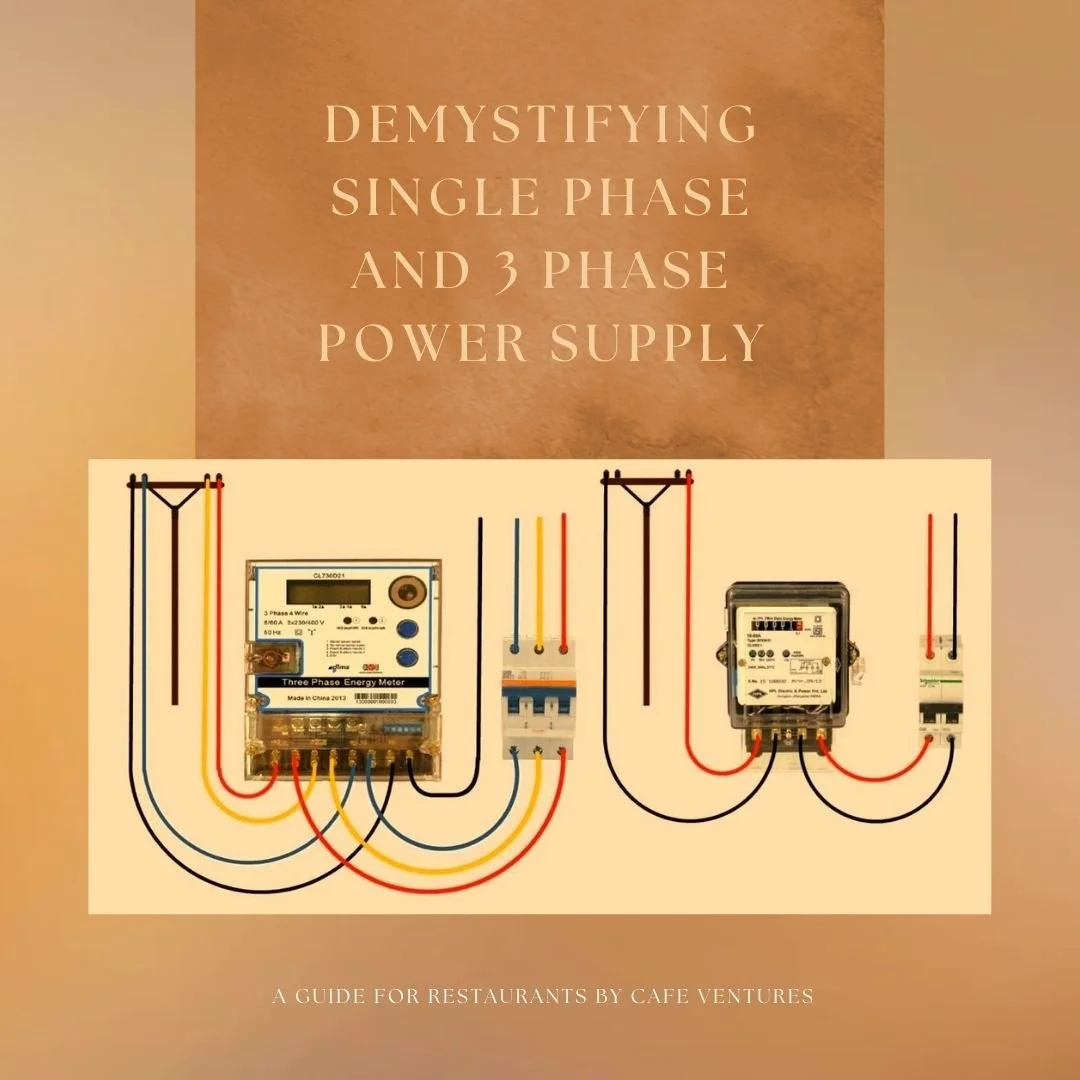
Installation of three-phase service costs more, with utility connection fees of thousands of dollars in some cases. Residential use of three-phase is common in Europe and parts of Asia. In the US, three-phase supply serves factories, hospitals, data centers and commercial buildings. Phase converters can run three-phase equipment on single-phase supply. Only a licensed electrician should install or modify service.
Electrical differences
Single phase power uses one alternating current waveform and is typical in homes, at 120 or 240 V in the US. Three phase uses three waveforms offset by 120 degrees and delivers constant power, used in industry at 208, 240 or 480 V. Three phase motors are more efficient and smaller.
Cost and uses
Three phase installation costs more. Use it for large motors, HVAC and heavy machinery. Check with an electrician.
Voltage and wiring
In North American homes, the service is split phase: two 120 V lines, giving 240 V between them. Three phase uses three conductors at 208 V or 480 V line to line. Power delivery is smoother: three phase delivers constant power with a motor starting torque advantage, and uses less conductor for the same load.

Applications
Three phase powers elevators, factory machines, large HVAC and EV chargers in commercial buildings. Converting residential service is possible via utility installation or rotary phase converters and variable frequency drives, at costs from a few hundred dollars to tens of thousands. Consult a licensed electrician and local code.
Based on data from the US Department of Energy and the National Electrical Code