
An EPO plan covers only in-network providers except in emergencies, usually at lower cost, while a PPO lets you go out of network at a higher price.
EPO (exclusive provider organization)
- Covers only in-network care, except emergencies.
- No referrals needed.
- Premiums usually lower than PPO.
PPO (preferred provider organization)
- Covers in and out-of-network care at different rates.
- More flexibility.
- Higher premiums.
Choosing
EPO for cost savings if your doctors are in-network. PPO for flexibility.
Compared to HMO

HMOs need referrals and a primary doctor.
Network and referral rules
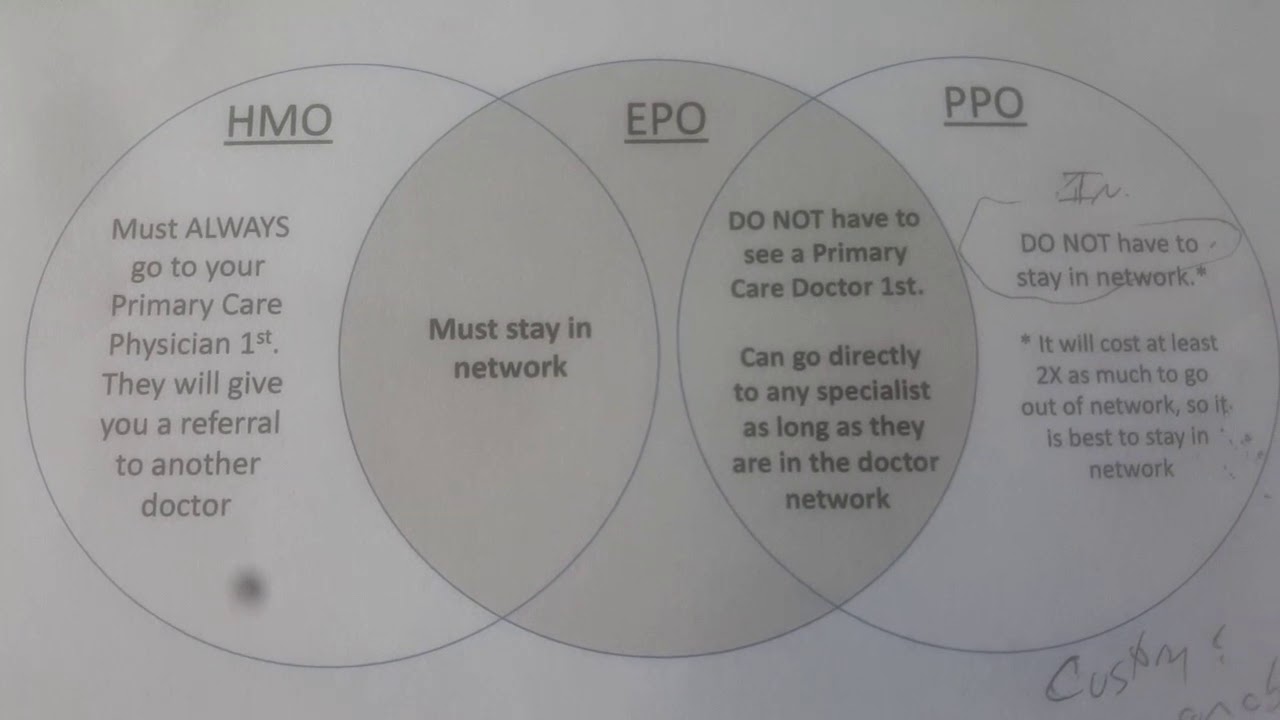
EPO plans cover care only from in-network providers, except in emergencies, and do not require referrals to see specialists. PPO plans cover both in-network and out-of-network providers, with higher cost for out-of-network, and also do not require referrals. HMO plans usually require a primary care physician and referrals.
- Premiums are typically higher on PPO plans than EPO plans because of broader coverage.
- Deductible and out-of-pocket maximum caps exist in both. For 2025, the federal out-of-pocket limit for ACA-compliant individual plans was 9,200 USD.
- Out-of-network emergency care is covered at in-network rates under the No Surprises Act of 2022.
How to choose

Check whether your doctors and hospitals are in the plan’s network and review prescription coverage. If you travel often or want flexibility to see out-of-network specialists, PPO fits. If you want lower premiums and your preferred doctors are in network, EPO may suit you. Compare total costs: premium, deductible, copays and coinsurance, not only the monthly payment.
Network and referral rules
An EPO (exclusive provider organization) covers care only within its network, except for emergencies, and does not require referrals to see specialists. A PPO (preferred provider organization) lets you see out of network providers at a higher cost and does not require referrals. HMOs usually require a primary care physician and referrals. Premiums for PPOs tend to be higher than for EPOs.
Choosing
Check whether your doctors and hospitals are in network and the plan’s deductible, out of pocket maximum and drug coverage. The Affordable Care Act caps annual out of pocket costs for covered in network care at 9,200 USD for an individual in 2025. Compare total expected costs, not only premiums. Use healthcare.gov or your employer’s benefits portal for plan details.
Costs in numbers
Average annual premiums for single coverage in employer plans were about 8,400 USD in 2023, per KFF. PPO plans enroll about 47 percent of covered workers, HMOs about 13 percent and high deductible plans 29 percent. EPOs are less common, and some marketplace plans use them to lower premiums.
Out of network and emergency rules
The No Surprises Act (2022) bans surprise out of network bills for emergency care and certain services at in network facilities. Under an EPO, non emergency out of network care is generally not covered at all. Always confirm provider network status with the insurer.
Based on data from KFF and the Centers for Medicare and Medicaid Services