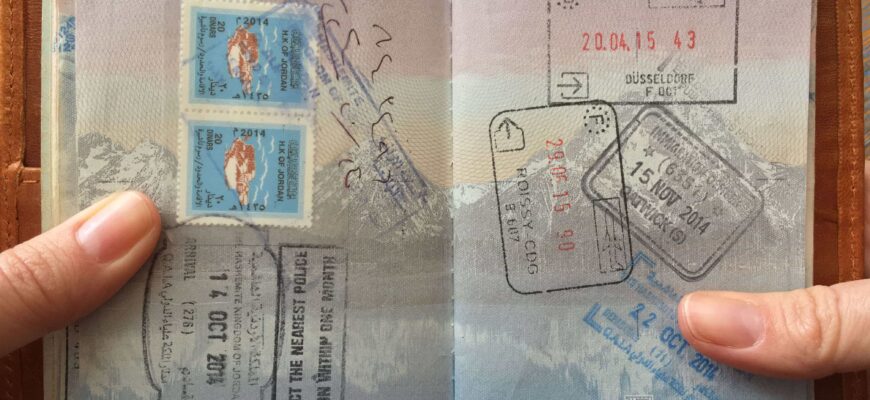
A passport proves your identity and citizenship and lets you leave and return to your country, while a visa is permission from another country to enter, stay, or work there.
Passport
A document issued by your country that proves identity and citizenship. Lets you travel internationally and return home.
Visa
Permission from another country to enter, stay or work, stamped or attached to a passport.
Key difference
Passport comes from your own country. Visa comes from the country you visit.
Visa free
Many countries allow short visits without a visa.

Tip
Passport validity should often be 6 months beyond your trip.
Document types and who issues them
A passport is issued by the country of citizenship, for example the US Department of State, and proves identity and nationality. A visa is issued by the country you want to enter and sets the purpose and length of stay. A US adult passport book is valid for 10 years and a child passport for 5 years.
- Many countries require the passport to be valid for at least 6 months beyond the travel date. Some, like Schengen states, require 3 months beyond departure and issuance within the past 10 years.
- The US Visa Waiver Program lets citizens of about 40 countries stay up to 90 days without a visa but requires an approved ESTA authorization.
- Tourist visas often list the number of entries allowed (single or multiple) and the validity window.

Visa types and extras
Common categories are tourist, business, student, work and transit visas. An e-visa is applied for online, while a visa on arrival is issued at the border. A visa does not guarantee entry, because border officers make the final decision. Citizens of countries without visa agreements usually apply at an embassy and provide biometrics, proof of funds and a return ticket. Processing times vary from days to months, so applying well ahead of travel is standard advice.
What each document does
A passport is an identity and nationality document issued by a government, such as the US Department of State, and lets you leave and re-enter your country. A visa is permission from another country to enter, stay or work, usually a stamp, sticker or electronic authorization. A US passport book costs 130 USD for adults for a first application plus a 35 USD acceptance fee, and is valid for 10 years for adults and 5 years for children under 16 (check current fees on travel.state.gov).
Visa categories
Visa types include tourist or visitor, student, work, transit and immigrant visas. Some countries offer visa free entry or visa on arrival, and many use electronic systems such as ESTA in the US or ETIAS planned for Europe. Most countries require a passport valid for at least six months beyond the stay and with blank pages. Check the destination’s official government site before traveling.
Costs and processing
A US passport book for adults costs 130 USD plus a 35 USD acceptance fee, and a passport card 30 USD plus the acceptance fee. Routine processing takes about 4 to 6 weeks and expedited about 2 to 3 weeks for an extra 60 USD, though times change, so check travel.state.gov. A visitor visa (B-1/B-2) application fee for entering the US is 185 USD.

Visa free travel and ESTA
Citizens of the 42 Visa Waiver Program countries can enter the US for up to 90 days with an ESTA authorization, which costs 21 USD. US citizens can enter 100 plus destinations visa free, with the Henley Passport Index ranking the US passport around the top 10. Many countries require 6 months of passport validity, so renew early. A passport proves who you are, and a visa proves permission to enter a particular country for a stated purpose.
Based on data from the US Department of State and the Henley Passport Index