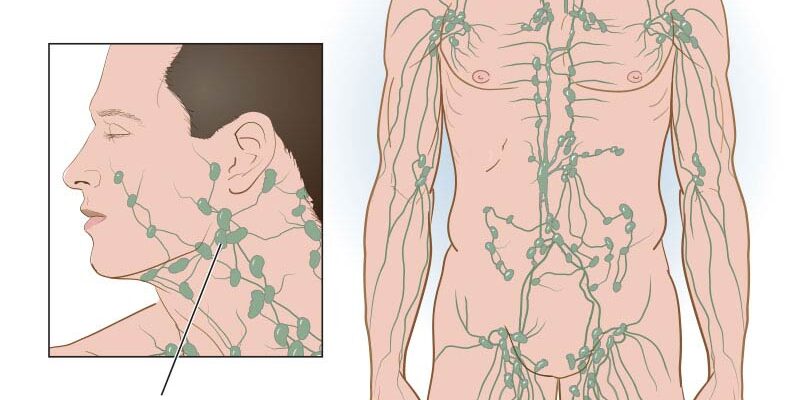
Lymph nodes swell when your body fights infection, and rarely from other conditions. See a doctor if they are hard or stay swollen for weeks.
Why
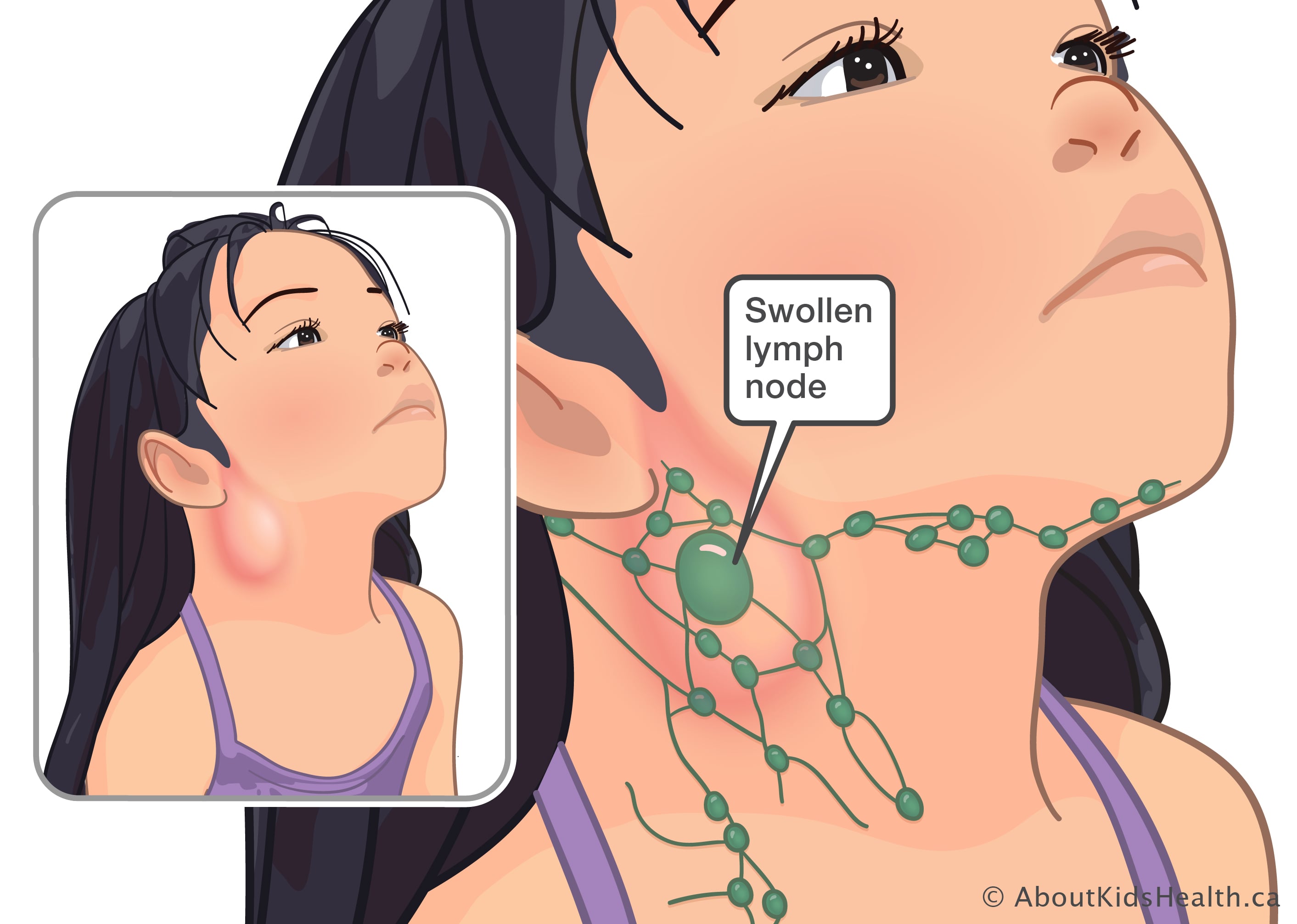
Lymph nodes swell as they filter germs and make immune cells.
Common causes
- Colds, strep throat and ear infections.
- Mononucleosis.
- Skin infections.
- Dental abscess.
- HIV.
- Autoimmune disease.
- Rarely, lymphoma or other cancers.
Normal
Soft, movable and tender.
See a doctor

If nodes are hard, fixed, over 1 inch, or last over 2 to 4 weeks, or with fever and weight loss.
Role of the lymphatic system
Lymph nodes filter lymph fluid and house immune cells. The body has roughly 600 lymph nodes, with clusters in the neck, armpits and groin. Nodes swell when immune cells multiply during infection, which is called reactive lymphadenopathy. Most swollen nodes are caused by viral or bacterial infections such as colds, strep throat, ear infections and dental abscesses.
- Mononucleosis, HIV, tuberculosis, cat scratch disease and syphilis can cause persistent swelling.
- Autoimmune diseases like lupus and rheumatoid arthritis can enlarge nodes.
- Lymphoma and metastatic cancer cause firm, painless, enlarging nodes.
When to see a doctor

Nodes under 1 cm that are soft and tender and shrink within 2 to 4 weeks are usually benign. See a doctor if a node is larger than 2 cm, hard, fixed, grows or lasts beyond 4 weeks, or if it comes with fever, night sweats or unexplained weight loss. Evaluation may include blood tests, ultrasound and biopsy.
Role of the lymphatic system
The body has about 600 lymph nodes, which filter lymph and house immune cells. Nodes swell when fighting infections such as colds, strep throat, mononucleosis, dental infections or skin infections. Less common causes are autoimmune disease and cancers such as lymphoma.
When to see a doctor
See a doctor if nodes are hard, fixed, larger than 2 cm, last more than 2 to 4 weeks, or come with fever, night sweats or weight loss. Nodes above the collarbone deserve prompt evaluation.
Locations and meanings
Neck nodes swell with throat infections and dental problems. Armpit nodes swell with arm infections and, in women, may relate to breast conditions. Groin nodes respond to leg infections and STIs. Supraclavicular nodes carry higher risk of cancer. Nodes of 1 cm or less in the neck are common in healthy people.
Workup
Doctors check for infection signs, medications and exposure to cats (cat scratch disease), TB or HIV. Tests include blood counts, ultrasound and sometimes a biopsy. Persistent nodes over 4 weeks, hard and fixed, or over 2 cm need evaluation. Lymphoma accounts for about 4 percent of cancers, and its first sign can be a painless swollen node.
Based on data from the American Cancer Society and the Mayo Clinic