A mild fever in the first days after surgery is common, but see your doctor if it is above 101 F or comes with redness, pus, or severe pain.
Normal
A low grade fever in the first 48 hours after surgery is common. It may come from the body’s inflammatory response or atelectasis (partial lung collapse).
Call your surgeon
If fever is 101°F (38.3°C) or higher, or lasts beyond 2 to 3 days.
Possible causes
- Infection of wound or urinary tract.
- Pneumonia.
- Blood clots.
- Reaction to medicine.
Prevention
Deep breathing and walking.
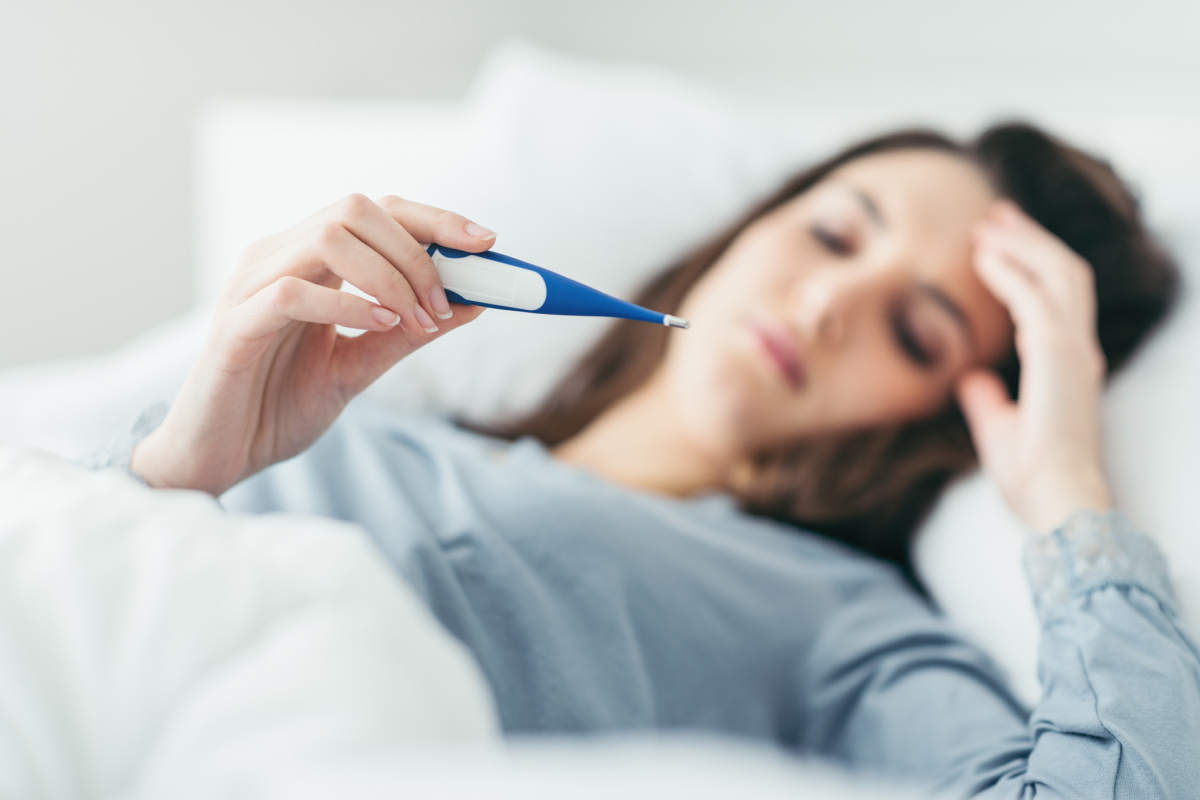
Emergency
Fever with chills, redness, pus or shortness of breath.
Fever after surgery
A low-grade fever, up to about 100.4 F (38 C), in the first 48 hours after surgery is common and is usually caused by the body’s inflammatory response or by atelectasis (partial lung collapse), which is why nurses encourage deep breathing and spirometer use. Fever over 101 F (38.3 C) or fever after day 3 raises concern.
- The “5 Ws” of postoperative fever: wind (lung problems), water (urinary infection), wound, walking (deep vein thrombosis) and wonder drugs (drug reaction), a teaching mnemonic.
- Surgical site infections occur in about 1 to 3 percent of surgeries, per the CDC.
- Fever with spreading redness, drainage or increasing pain at the incision suggests infection.
When to call
Call the surgeon for fever above 101 F, chills, wound redness, pus, worsening pain, leg swelling or calf pain, burning urination or persistent cough. Go to the emergency room for chest pain, shortness of breath, confusion or fever with a rigid abdomen. Follow discharge instructions on incision care, activity and medications.
Fever after surgery
A low grade fever up to 100.4 F (38 C) in the first 48 hours is common as the body responds to surgery. Later fevers can signal infection.
When to call
Call the surgeon for fever above 101 F, redness, pus, increasing pain, or chills. Pneumonia and urinary infections can cause fever.
Typical post surgical fevers
A mild temperature of up to about 100.4 degrees Fahrenheit (38 Celsius) in the first 1 to 3 days after surgery is common and results from the body’s inflammatory response and atelectasis (partial lung collapse). Deep breathing with an incentive spirometer and walking help prevent it.
When fever signals infection
Fever beginning after day 3 to 5, or rising above 101 degrees Fahrenheit, can point to infection of the wound, urinary tract, lungs or a blood clot. Warning signs include spreading redness, pus, increasing pain, foul odor, chills and rapid heart rate. Surgical site infections occur in about 1 to 3 percent of surgeries. Call the surgeon or seek emergency care for high fever, shortness of breath, calf pain or chest pain. Follow discharge instructions on temperature thresholds, which differ by procedure.
Based on data from the Centers for Disease Control and Prevention and the American College of Surgeons