If you feel like passing out, sit or lie down right away with your legs raised, breathe slowly, and drink water. Call emergency services if you have chest pain, trouble breathing, or you actually faint.
What to do
- Sit or lie down right away.
- Raise your legs above heart level.
- Breathe slowly.
- Drink water.
- If you must stand, put your head between your knees.
Common causes
Dehydration, standing up quickly, low blood sugar, heat and anxiety.
Don’t
Stand or drive.
See a doctor
If it recurs.
Emergency
Chest pain, shortness of breath or fainting with injury. Call 911.
Immediate actions
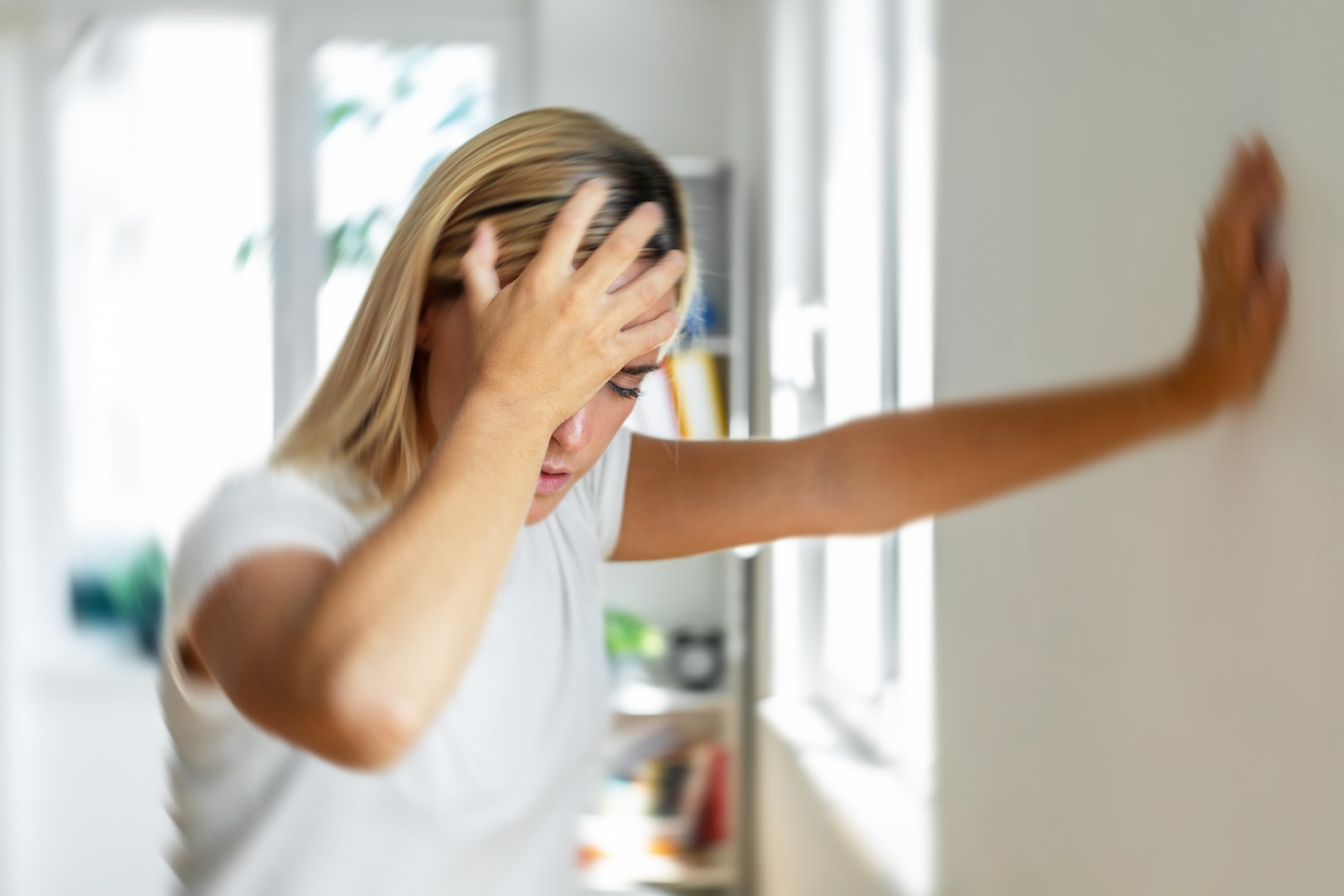
If you feel faint, sit or lie down right away. Lying flat with the legs raised above heart level restores blood flow to the brain. If you cannot lie down, sit and put your head between your knees. Breathe slowly and drink water if conscious. Move slowly when getting up afterward.
- Presyncope is the term for the feeling of near-fainting, with lightheadedness, blurred vision and sweating.
- Physical counterpressure maneuvers, such as crossing the legs and tensing the muscles or clenching the fists, can raise blood pressure and abort vasovagal fainting, according to studies like the PC-Trial.
- Causes include dehydration, standing too long, heat, low blood sugar, anemia, arrhythmias and medications.

When to get help
Call emergency services if you have chest pain, shortness of breath, palpitations, severe headache, slurred speech or weakness. See a doctor for repeated episodes. Do not drive after near-fainting until evaluated. An ECG, blood tests and orthostatic blood pressure measurement are first steps.
Immediate actions
Sit or lie down with legs elevated, take slow breaths and drink water. Crossing the legs and tensing muscles can raise blood pressure briefly. Avoid standing quickly.
When to get help
Call 911 if chest pain, irregular heartbeat, trouble speaking, one sided weakness, seizure or if you faint. Causes include dehydration, low blood sugar, heat, anxiety and heart conditions.
What happens physiologically
Pre syncope arises from reduced blood flow to the brain, producing lightheadedness, tunnel vision, sweating and nausea. Lying down restores flow within seconds. Sitting with the head between the knees works if lying isn’t possible. Isometric counter maneuvers such as hand grip and leg crossing raise blood pressure by 10 to 20 mmHg.

Prevention and follow up
Drink water, avoid standing still for long, eat regular meals and limit alcohol. Evaluate recurring episodes with a doctor, as heart rhythm problems, anemia and medication effects may be involved. Call 911 for chest pain, trouble speaking, weakness on one side or if you hit your head after fainting.
Based on data from the American Heart Association and the Mayo Clinic