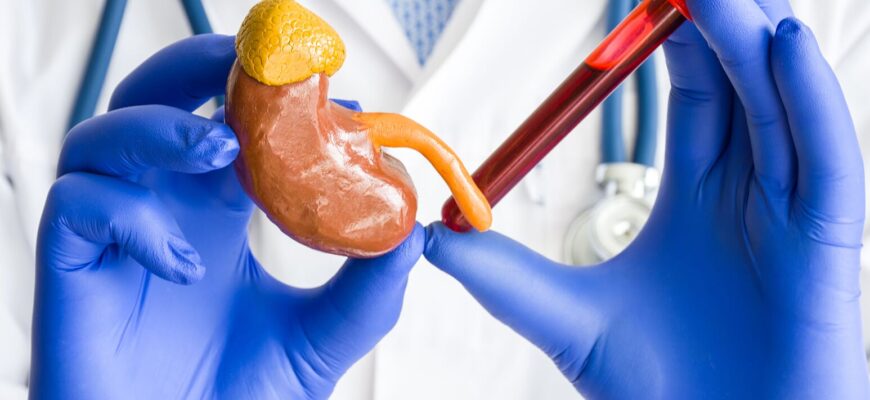
High creatinine can mean the kidneys are not filtering well, but it can also be caused by dehydration, muscle mass, or certain medicines. See a doctor for testing.
Normal range
Men 0.7 to 1.3 mg/dL. Women 0.6 to 1.1 mg/dL.
Possible causes of high creatinine
- Kidney disease.
- Dehydration.
- Heavy meat intake or creatine supplements.
- Intense exercise.
- Medicines (NSAIDs).
- Urinary obstruction.
Next steps
Doctors check eGFR and repeat the test.
See a doctor
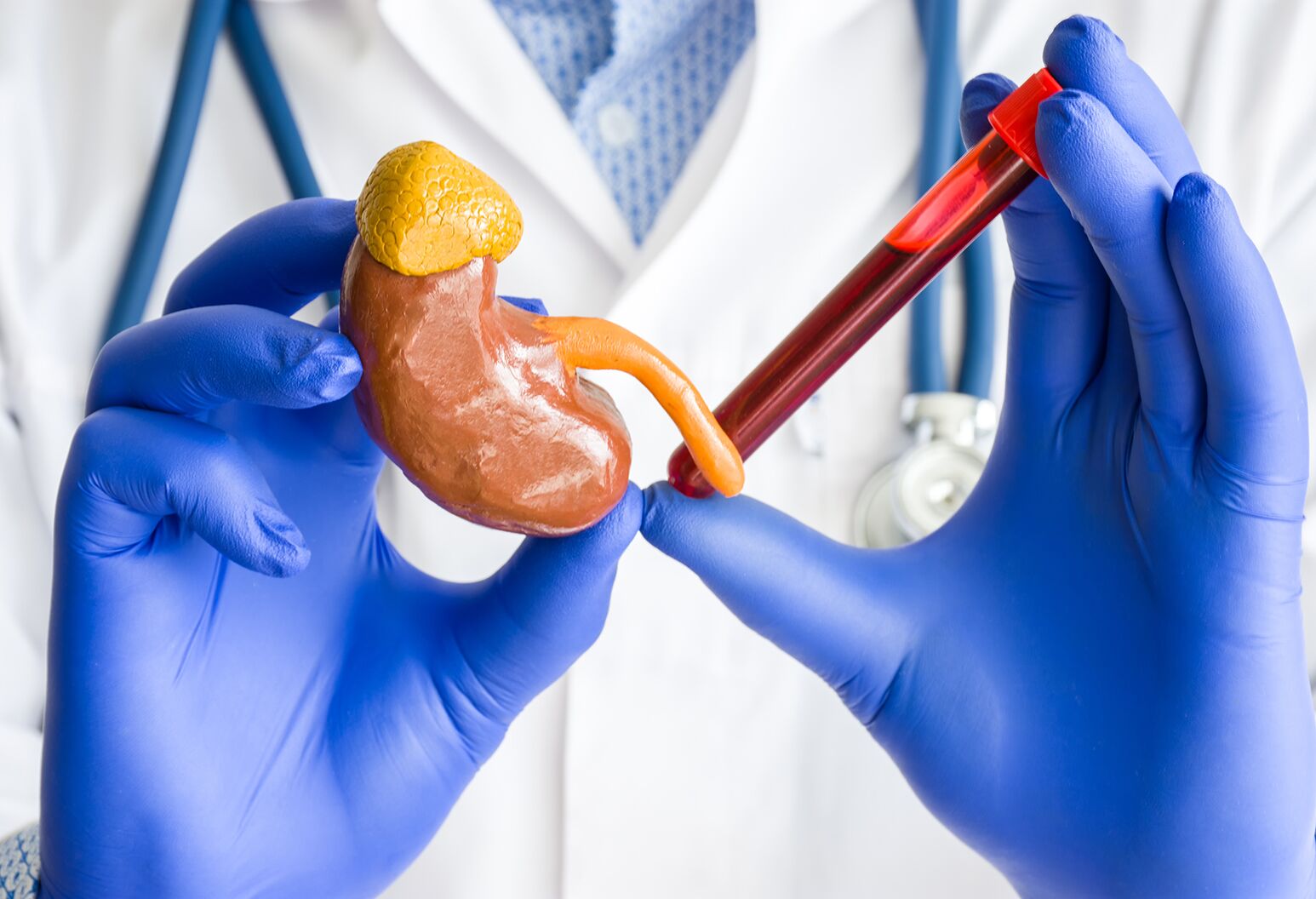
Promptly if levels stay high.
Reference ranges and the eGFR link
Typical serum creatinine is about 0.7 to 1.3 mg/dL in adult men and 0.6 to 1.1 mg/dL in adult women. Doctors use creatinine to estimate glomerular filtration rate (eGFR). An eGFR below 60 mL/min/1.73 m2 for three months or longer indicates chronic kidney disease, and below 15 is kidney failure. Stages run from G1 (90 or higher) to G5 (below 15).
- Muscle mass raises creatinine, so bodybuilders can show high values with normal kidneys.
- Creatine supplements and a large cooked-meat meal can raise creatinine temporarily.
- Some drugs, including trimethoprim and cimetidine, raise serum creatinine by blocking its secretion without harming the kidney.
- Acute kidney injury is defined as a rise of 0.3 mg/dL within 48 hours or a 1.5 times rise from baseline within a week.
Tests that usually follow
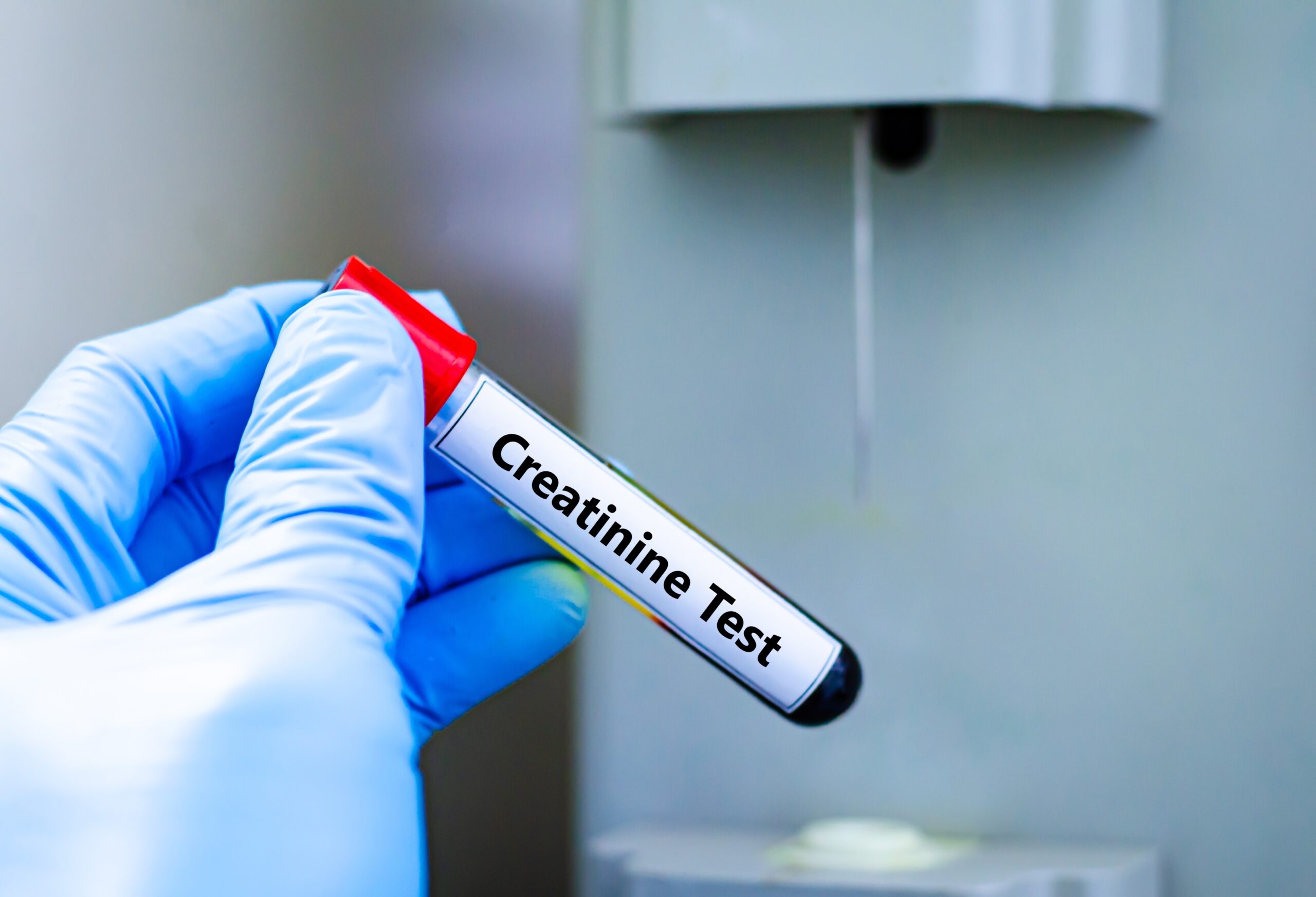
Doctors commonly repeat the test and add urine albumin-to-creatinine ratio (ACR), a urinalysis and kidney ultrasound. An ACR above 30 mg/g indicates albuminuria. Diabetes and high blood pressure are the two leading causes of chronic kidney disease in adults. Dehydration is a common reversible cause, and rechecking after rehydration is routine.
Reference values
Normal serum creatinine is roughly 0.7 to 1.3 mg/dL (62 to 115 micromol/L) in adult men and 0.6 to 1.1 mg/dL (53 to 97 micromol/L) in adult women, though laboratories differ. Doctors convert creatinine, age and sex into an estimated glomerular filtration rate (eGFR). An eGFR below 60 mL/min/1.73 m2 for three months or more indicates chronic kidney disease, and below 15 means kidney failure. The National Kidney Foundation says about 1 in 7 US adults have chronic kidney disease, and most do not know it.
Non kidney reasons and follow up
Creatinine can rise temporarily with dehydration, heavy meat meals, intense exercise, creatine supplements and some drugs such as trimethoprim and cimetidine. A doctor typically repeats the test and may order urine albumin to creatinine ratio, kidney ultrasound and blood pressure checks. Diabetes and high blood pressure cause most cases of chronic kidney disease. Avoid regular NSAID use if kidney function is reduced unless a doctor agrees.
Causes to rule out
A single high creatinine reading does not always mean kidney disease. Dehydration, a high protein meal, creatine supplements and intense exercise can raise it. Drugs that affect kidney function include NSAIDs, ACE inhibitors, certain antibiotics and contrast dye. Persistent elevation points to chronic kidney disease, caused most often by diabetes and high blood pressure, or to acute kidney injury after illness, blood loss or obstruction.

Follow up tests
Doctors usually repeat the test, calculate eGFR, test urine for albumin and blood, and may order a kidney ultrasound. The KDIGO guideline stages kidney disease from G1 (eGFR 90 or above) to G5 (below 15). Control of blood pressure (target under 130/80 for many patients), blood sugar and avoiding NSAIDs slow progression. Cystatin C testing can refine estimates in people with unusual muscle mass.
Based on data from the National Kidney Foundation and KDIGO guidelines