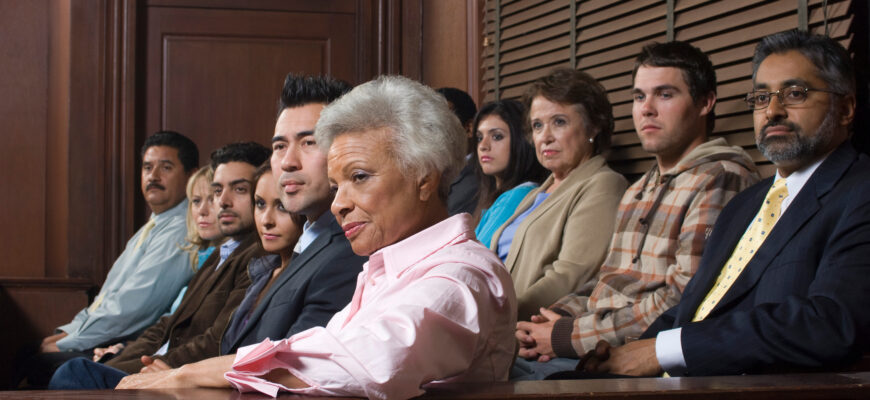
With a hung jury, the judge declares a mistrial, and prosecutors can decide to retry the case or drop it.
What happens
A hung jury cannot reach a unanimous verdict (in most courts). The judge declares a mistrial.
Next
Prosecutors may retry the case, offer a plea deal or drop charges.
Double jeopardy
Doesn’t block a retrial after a hung jury.
Instructions
Judges may ask jurors to deliberate more (an “Allen charge”).
Rules
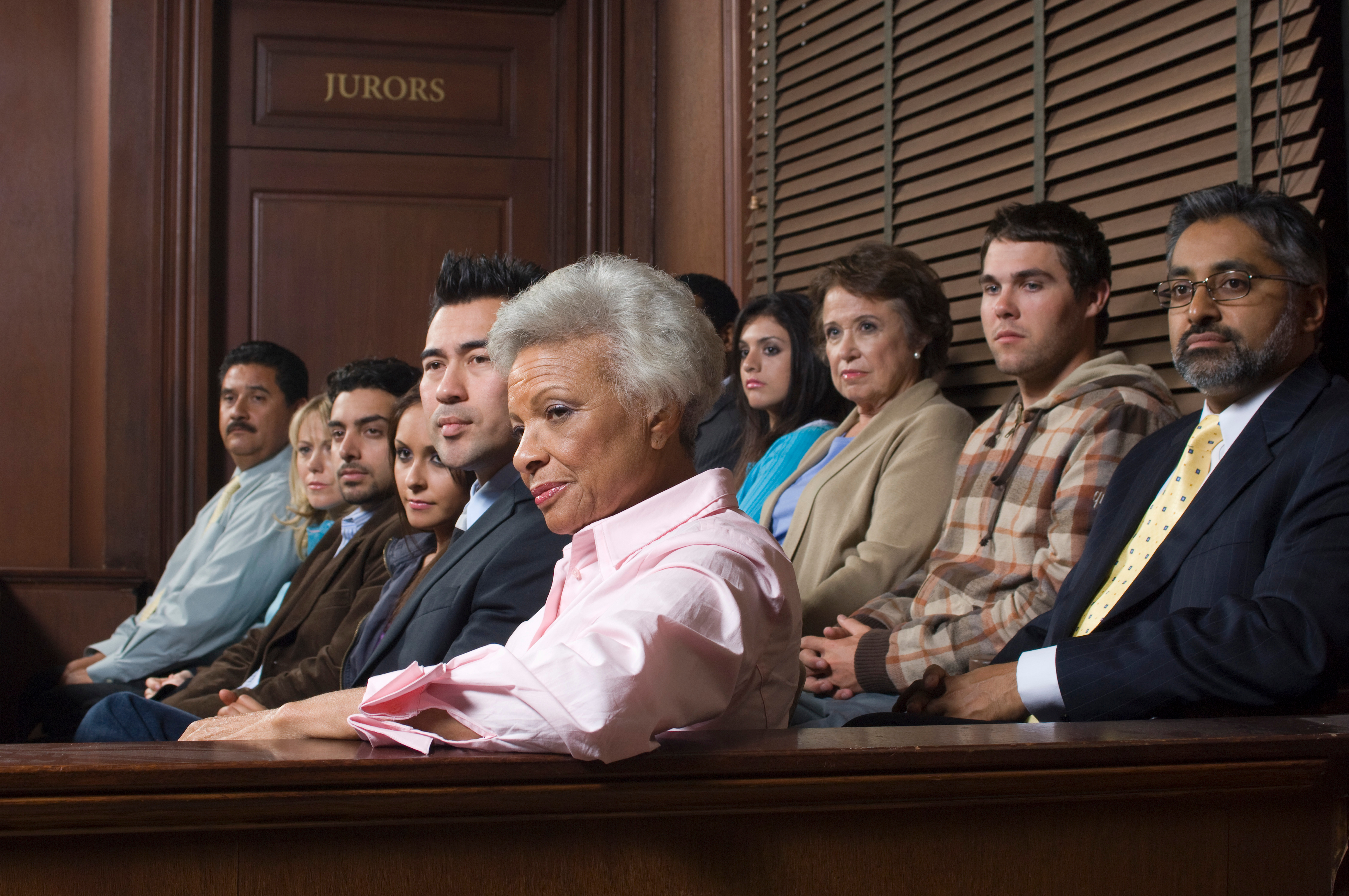
Federal criminal trials need unanimous verdicts. Since the Supreme Court’s 2020 Ramos v. Louisiana decision, state felony juries must be unanimous too.
Rate
Hung juries occur in about 5% of trials.
Procedure
A hung jury occurs when jurors cannot reach the required verdict, which is unanimous in federal criminal trials and in nearly all state felony trials. The judge may ask the jury to continue deliberating, often with an “Allen charge” (dynamite charge) urging jurors to reconsider, a practice allowed under Allen v. United States (1896) but limited in some states.

- If the judge declares a mistrial because of a hung jury, the prosecution may retry the case. Double jeopardy does not bar retrial, according to Richardson v. United States (1984).
- Prosecutors decide whether to retry. Many cases are retried, some are dismissed or settled by plea.
- Louisiana and Oregon once allowed non-unanimous verdicts. The Supreme Court in Ramos v. Louisiana (2020) ruled that unanimity is required in state felony trials.
Frequency
Studies by the National Center for State Courts found hung juries occur in roughly 6 percent of trials. Civil trials in federal court can allow less than unanimous verdicts only if parties agree. Juror safety and fairness rules apply throughout deliberations.
Procedure
A hung jury occurs when jurors cannot reach the required verdict, usually unanimity in federal criminal cases. The judge may give an Allen charge encouraging further deliberation, and if still deadlocked, declares a mistrial.
Frequency
Studies by the National Center for State Courts found hung juries occur in about 6 percent of trials. The prosecutor may retry the case, and double jeopardy does not bar retrial after a hung jury.
Jury rules
Federal criminal trials require unanimous verdicts. Some states allow non unanimous verdicts in civil cases. Louisiana and Oregon used non unanimous verdicts in criminal trials until the Supreme Court’s Ramos v. Louisiana ruling in 2020 required unanimity. The jury foreperson communicates a deadlock to the judge in a note.

What follows
After a mistrial, prosecutors can retry the defendant, drop the charges or negotiate a plea, and the decision depends on the strength of the evidence and how the jury split. A lopsided split such as 11 to 1 for conviction often leads to a retrial, while a split favoring acquittal often leads to a dismissal or plea. The Supreme Court has held since Richardson v. United States (1984) that retrial after a hung jury does not violate double jeopardy.
Based on data from the US Courts and the National Center for State Courts