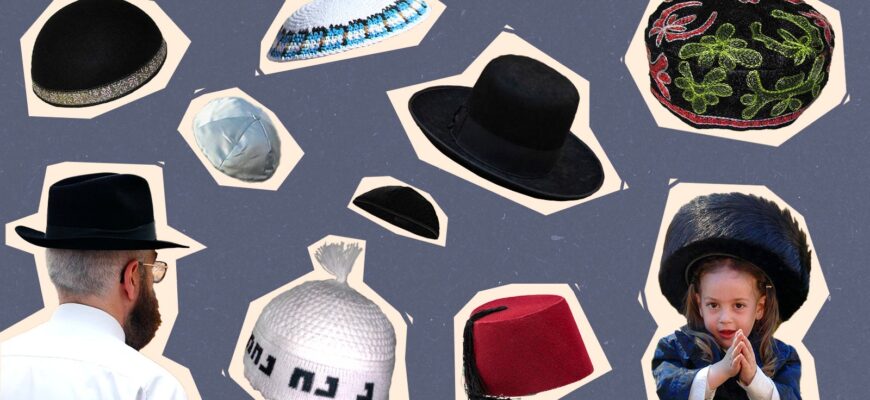
Jewish men wear caps called kippot or yarmulkes as a sign of reverence and respect for God.
Name
A kippah (plural kippot), also called a yarmulke.
Meaning
It shows reverence and humility before God.
Origin
The practice is based on Talmudic tradition, not a Torah commandment. It became common in medieval times.
Who wears it
Observant Orthodox men wear it all day. Others wear it at prayer or services. Some women wear it too.
Styles
Black velvet, knitted and leather.
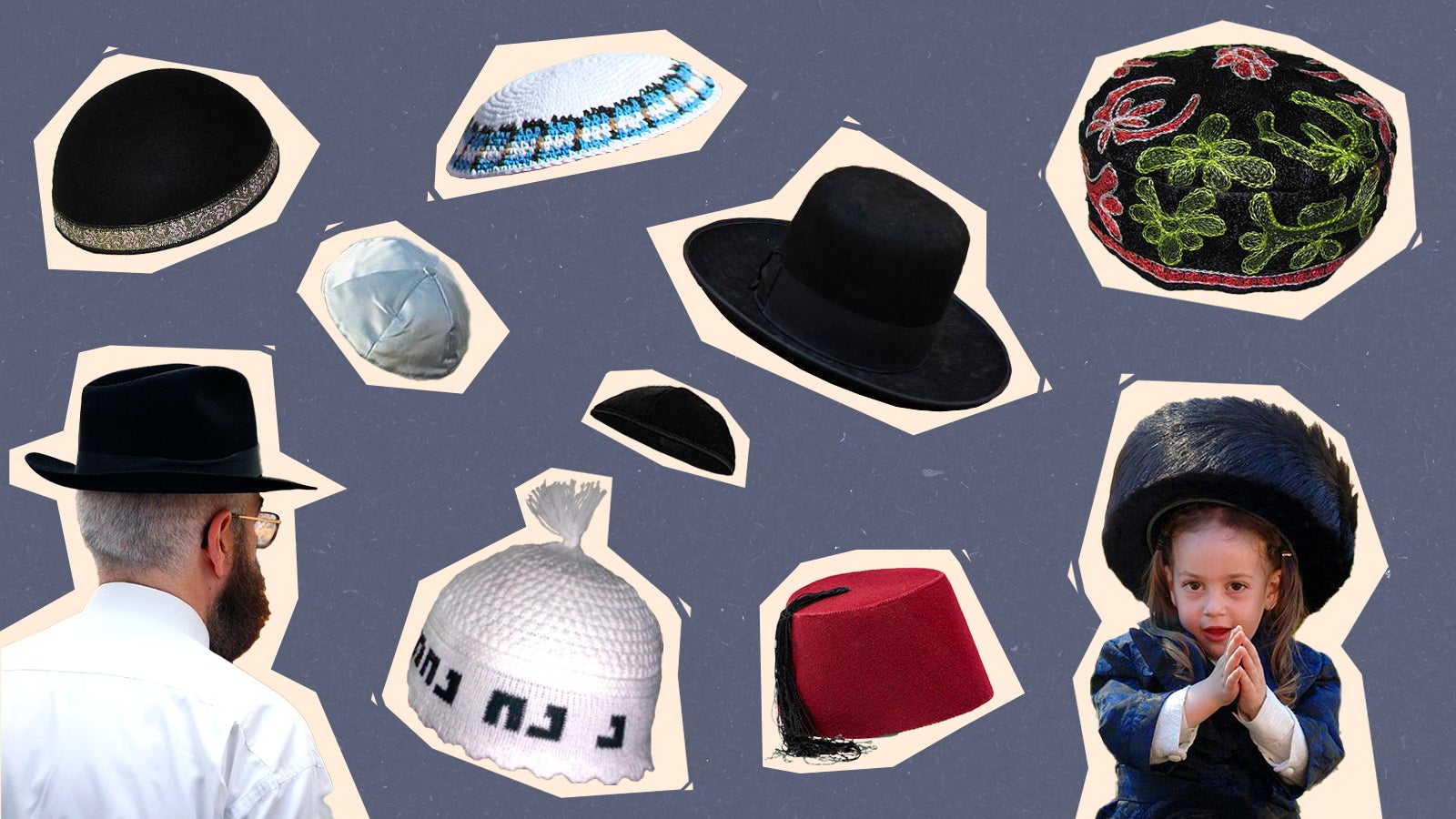
Name and tradition
The head covering is called a kippah (plural kippot) in Hebrew or a yarmulke in Yiddish. The Yiddish term may derive from an Aramaic phrase meaning “awe of the King.” Wearing it signals reverence for God.
Religious basis
The Torah does not command wearing a head covering. The Talmud mentions covering the head as a sign of reverence and fear of Heaven. Medieval rabbinic authorities and the Shulchan Aruch (16th century) endorsed covering the head, and the custom became widespread. The Talmud records that Rav Huna did not walk four cubits with his head uncovered.
Who wears it
- Orthodox Jewish men and boys wear it at all times.
- Conservative Jews may wear it at prayer, at meals and at religious study or all the time.
- Reform Jews historically did not wear it, but many now wear it in synagogue.
- Women’s practice varies. Some married Orthodox women cover their hair with scarves, wigs or hats, and some liberal communities have women wearing kippot.
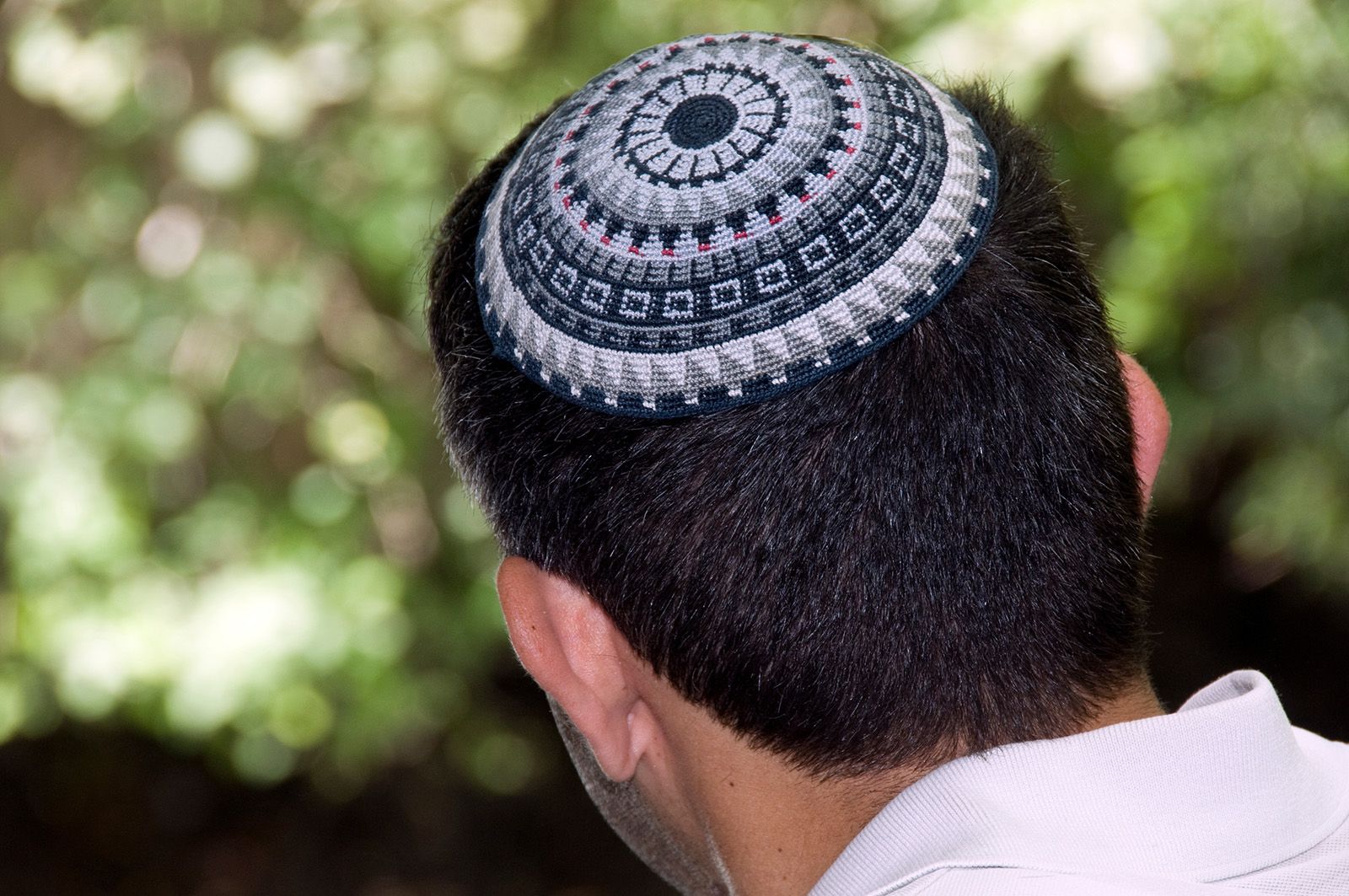
Styles and meanings
- Knitted or crocheted kippot are common among Modern Orthodox, often associated with religious Zionism.
- Black velvet or cloth kippot are common among Haredi (ultra-Orthodox) men, often under a black hat.
- Bukharian, suede or leather and satin kippot also exist.
- Sizes vary from small to large.
Other head coverings
Some Hasidic men wear a shtreimel (fur hat) on Sabbath and festivals, or a black fedora.
Occasions
It is worn in synagogue, during prayer, when studying religious texts and at ceremonies like weddings and bar mitzvahs.
Population
There are about 15.7 million Jews worldwide, with about 7.5 million in the US and 7.2 million in Israel, according to estimates from the Jewish People Policy Institute.
Names and customs
The head covering is called a kippah in Hebrew and a yarmulke in Yiddish. The Talmud mentions covering the head as a sign of reverence and fear of God, and the practice became widespread in medieval and modern periods. Observant men often wear it at all times, while many others wear it only for prayer, study, meals or in synagogue. Some women in certain communities also wear head coverings, and married Orthodox women often cover their hair with a scarf, hat or wig.
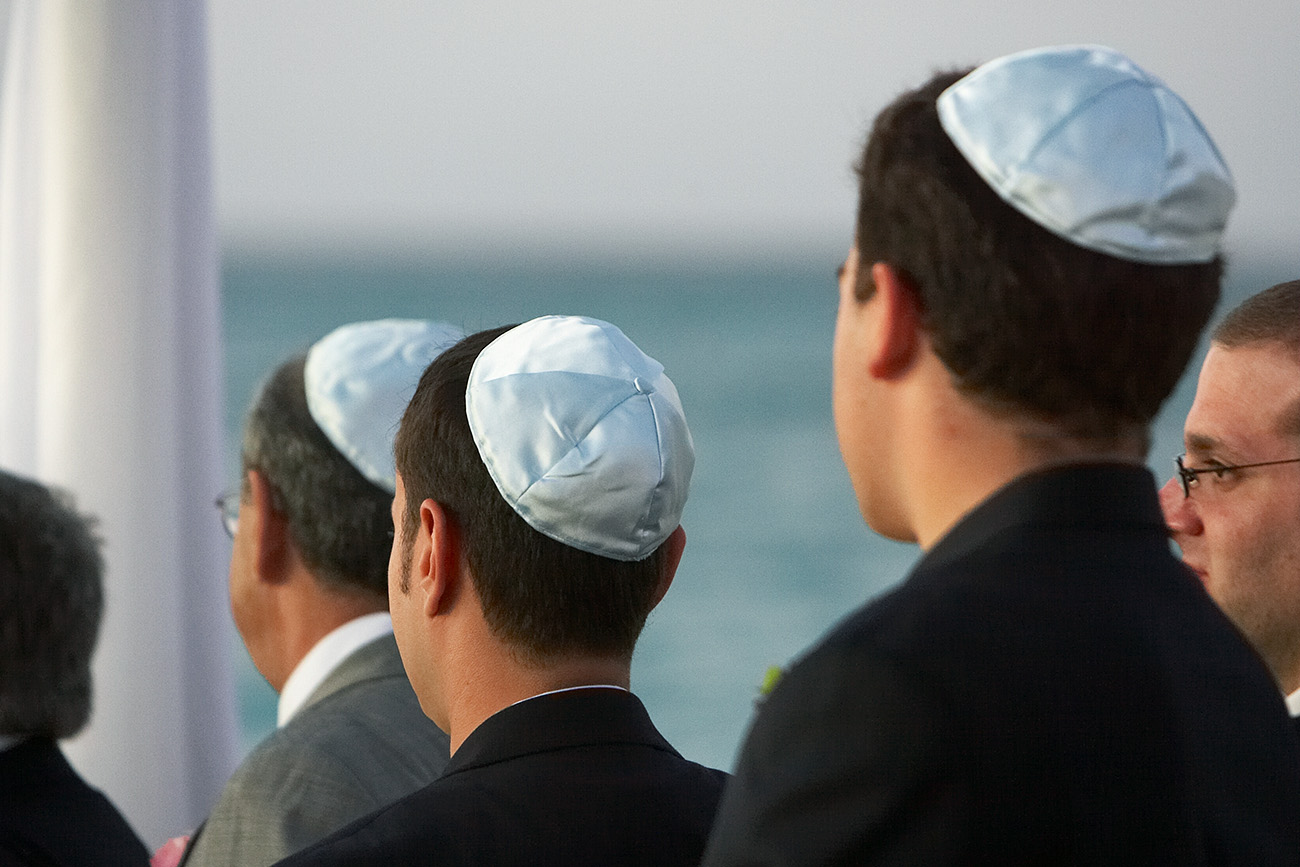
Variety of styles
Styles reflect community. Knitted kippot are often worn by Modern Orthodox and religious Zionist Jews, black velvet or cloth by Haredi communities and colorful or embroidered versions by Sephardic or Bukharan Jews. Global Jewish population is about 15 to 16 million, according to the Jewish People Policy Institute, with large communities in Israel and the United States.
Based on data from the Jewish Virtual Library and the Jewish People Policy Institute