Vaginal discharge is made of fluid and cells that clean and protect the vagina and keep it moist.
Why
Cervix and vaginal glands make fluid with cells and bacteria. It cleans the vagina, keeps it moist and fights infection.
Normal
Clear or white, with a mild smell. Changes with the cycle: thin and slippery near ovulation, thicker otherwise.
Not normal
Green, yellow, gray, foamy or a strong odor, with itching or burning.
See a doctor
If you notice these changes.
Hygiene
Wash with water only and avoid douching.

What vaginal discharge is
Vaginal discharge is fluid made by glands in the vagina and cervix. It removes dead cells and bacteria, which keeps the vagina clean and protects against infection. Most women produce about 1 to 4 milliliters per day.
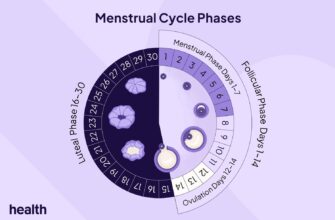
Normal changes through the cycle
- After a period: little or no discharge.
- Before ovulation: increasing, cloudy or white and sticky.
- Around ovulation: clear, slippery and stretchy like egg white.
- After ovulation: thicker and cloudy.
- During pregnancy: more discharge (leukorrhea).
- With arousal: clear and slippery.
Normal appearance
Clear to white, milky, with a mild or no odor.
Not normal
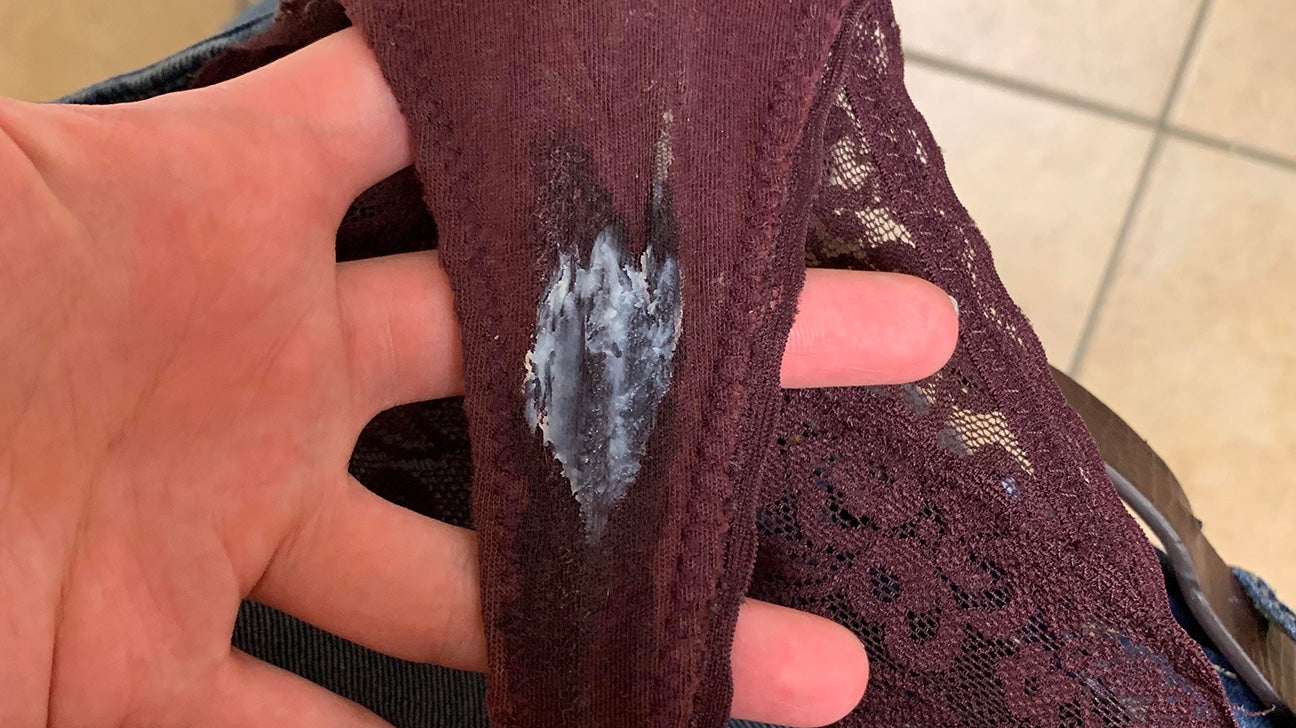
- Gray, green or yellow color.
- Thick, white cottage cheese texture with itching (yeast infection).
- Fishy odor (bacterial vaginosis).
- Frothy yellow-green discharge (trichomoniasis).
- Bloody discharge between periods.
- Itching, burning, pain or swelling.
Hygiene
Wash the vulva with water and mild soap. Don’t douche, because it disrupts healthy bacteria and increases infection risk. Wear cotton underwear, avoid scented products and wipe front to back.
Hormones
Estrogen affects discharge amounts. Discharge decreases after menopause.
Testing
A clinician can test for infections with a swab. Do not treat with over the counter products unless you have had a diagnosed yeast infection before.
See a doctor if
Discharge changes in color, smell or amount, or comes with pelvic pain, fever or sores, or if you are pregnant.
Why the body produces it
Cervical and vaginal glands produce fluid that cleans the vagina by carrying out dead cells and bacteria and helps keep a healthy acidic pH of about 3.8 to 4.5, maintained by Lactobacillus bacteria. Estrogen controls the amount and texture. Many people produce roughly a teaspoon or so per day, though amounts vary widely.

Care and when to get tested
Avoid douching, scented soaps and sprays, which disturb bacteria and raise risk of bacterial vaginosis. Cotton underwear and changing out of wet clothes help. Yeast infections often cause thick white discharge with itching, bacterial vaginosis can cause a fishy odor with thin gray discharge, and trichomoniasis can cause frothy yellow green discharge. A clinic can test using a swab and pH check. Unusual discharge in pregnancy should be reported to a clinician.
Based on data from the American College of Obstetricians and Gynecologists and the CDC