Bloating is commonly caused by gas, overeating, constipation, or food intolerance. See a doctor if it is severe or lasts.
Common causes
- Gas and swallowed air.
- Overeating and fatty foods.
- Constipation.
- Food intolerance: lactose, FODMAPs.
- IBS.
- Hormonal changes before periods.
- Celiac disease.
Relief
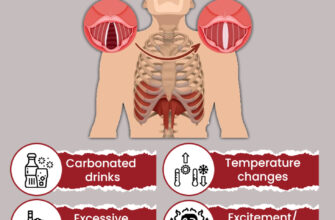
Walk, avoid carbonated drinks and eat slowly. Try peppermint tea.
See a doctor
If bloating is persistent, severe, with weight loss, blood in the stool or pain.
Emergency
Severe belly pain and vomiting.
Gas and swallowed air

Bloating is often caused by gas buildup in the digestive tract. Eating quickly, chewing gum, drinking carbonated beverages and using straws cause people to swallow air. Gas also forms from bacterial fermentation of undigested carbohydrates in the colon.
Foods linked with bloating
- Beans, lentils, cabbage, broccoli, onions and garlic (high in fermentable carbohydrates).
- Dairy for those with lactose intolerance (affects about 65% of people worldwide to some degree).
- Sugar alcohols like sorbitol and xylitol.
- Fructose in fruit juice and honey.
- Carbonated drinks.
- High-fiber foods added too quickly.
Medical causes
- Irritable bowel syndrome (IBS).
- Constipation.
- Small intestinal bacterial overgrowth (SIBO).
- Celiac disease and gluten sensitivity.
- Gastroparesis.
- Food intolerances.
- Pancreatic insufficiency.
- Ovarian conditions, including ovarian cancer, with persistent bloating in older women.
- Hormonal changes during menstrual cycle.
Relief
- Walk after meals.
- Eat slowly and chew well.
- Try a low FODMAP diet under guidance.
- Peppermint oil capsules have evidence for IBS symptoms.
- Over the counter simethicone or alpha-galactosidase (Beano).
- Probiotics may help some.
- Increase fiber gradually and drink water.
Track
Keep a food and symptom diary.
See a doctor if
Bloating is persistent, worsening, with weight loss, blood in stool, vomiting, severe pain, fever or new in women over 40, as persistent bloating could be a sign of ovarian cancer.
Emergency
Sudden severe abdominal pain, a hard swollen belly or inability to pass gas or stool needs urgent care.
Gas and diet
Bloating is a feeling of fullness or tightness, often linked to gas, swallowed air, constipation and food triggers. Common triggers include beans, onions, cruciferous vegetables, carbonated drinks, sugar alcohols (sorbitol, xylitol), fructose and lactose. About 65 percent of the world’s adult population has reduced ability to digest lactose, according to the NIH.
Medical causes and relief
Irritable bowel syndrome, celiac disease, small intestinal bacterial overgrowth, gastroparesis and food intolerances can cause persistent bloating. A low FODMAP diet, guided by a dietitian, helps many people with IBS. Walking after meals, eating slowly and limiting gum can help. Seek care for bloating with weight loss, blood in stool, persistent vomiting, severe pain or in women, new persistent bloating that may need ovarian cancer evaluation.
Based on data from the NIH and the American College of Gastroenterology