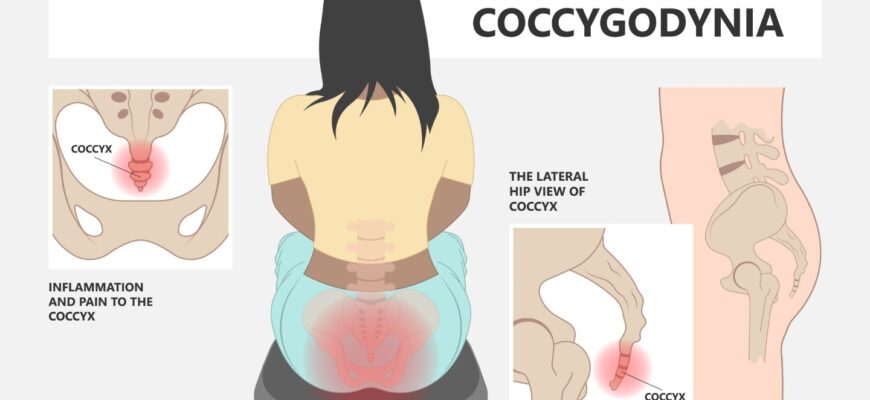
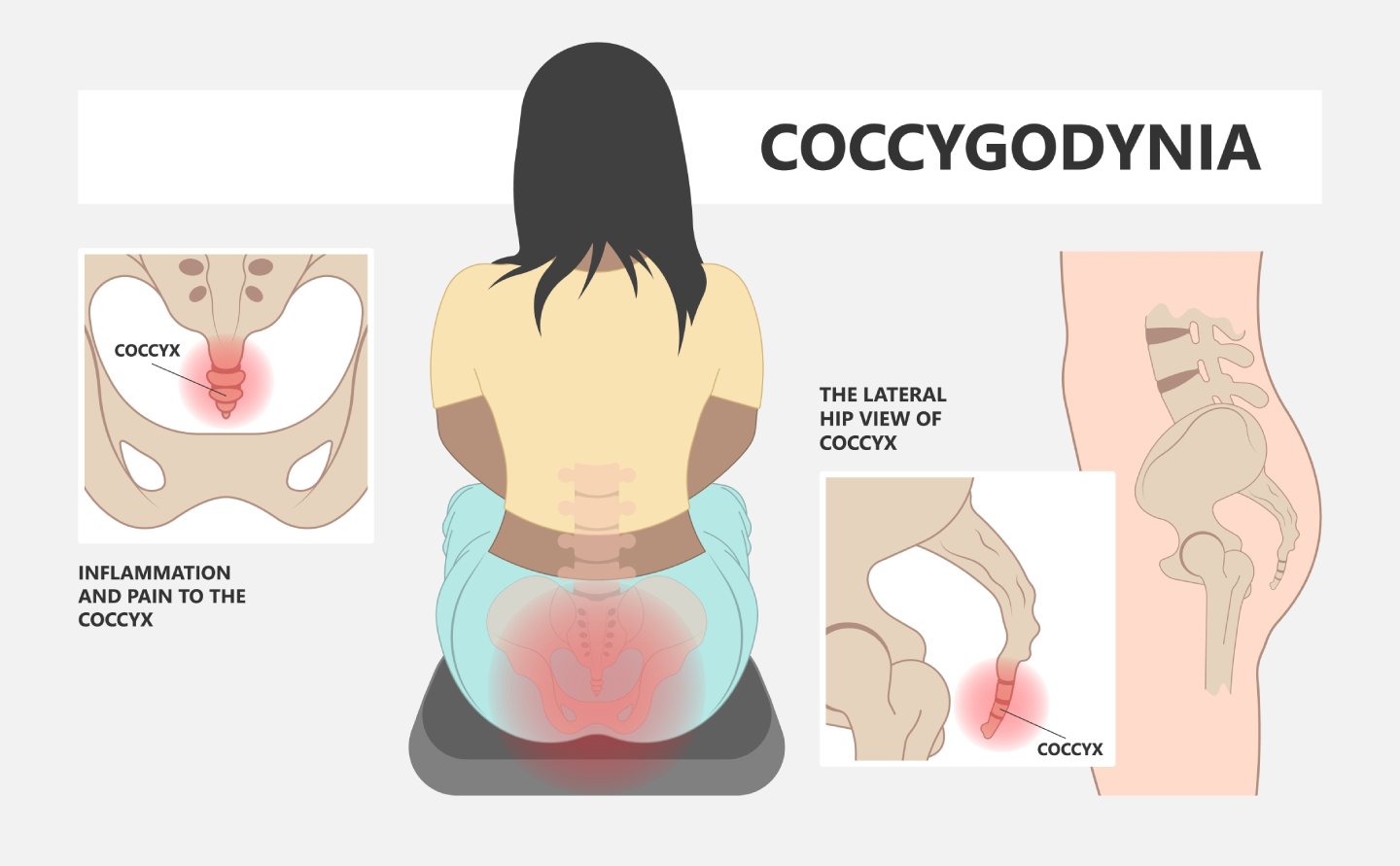
Tailbone pain (coccydynia) is commonly caused by injury, prolonged sitting, or childbirth.
Name
Coccydynia.
Causes
- Fall or injury.
- Sitting for long periods on hard surfaces.
- Childbirth.
- Obesity or weight loss (less padding).
- Arthritis.
- Rarely, infection or tumor.
Relief
- Use a donut or wedge cushion.
- Heat or ice.
- NSAIDs.
- Lean forward when sitting.
Duration
Often weeks to months.
See a doctor
If pain persists.
Medical term and causes
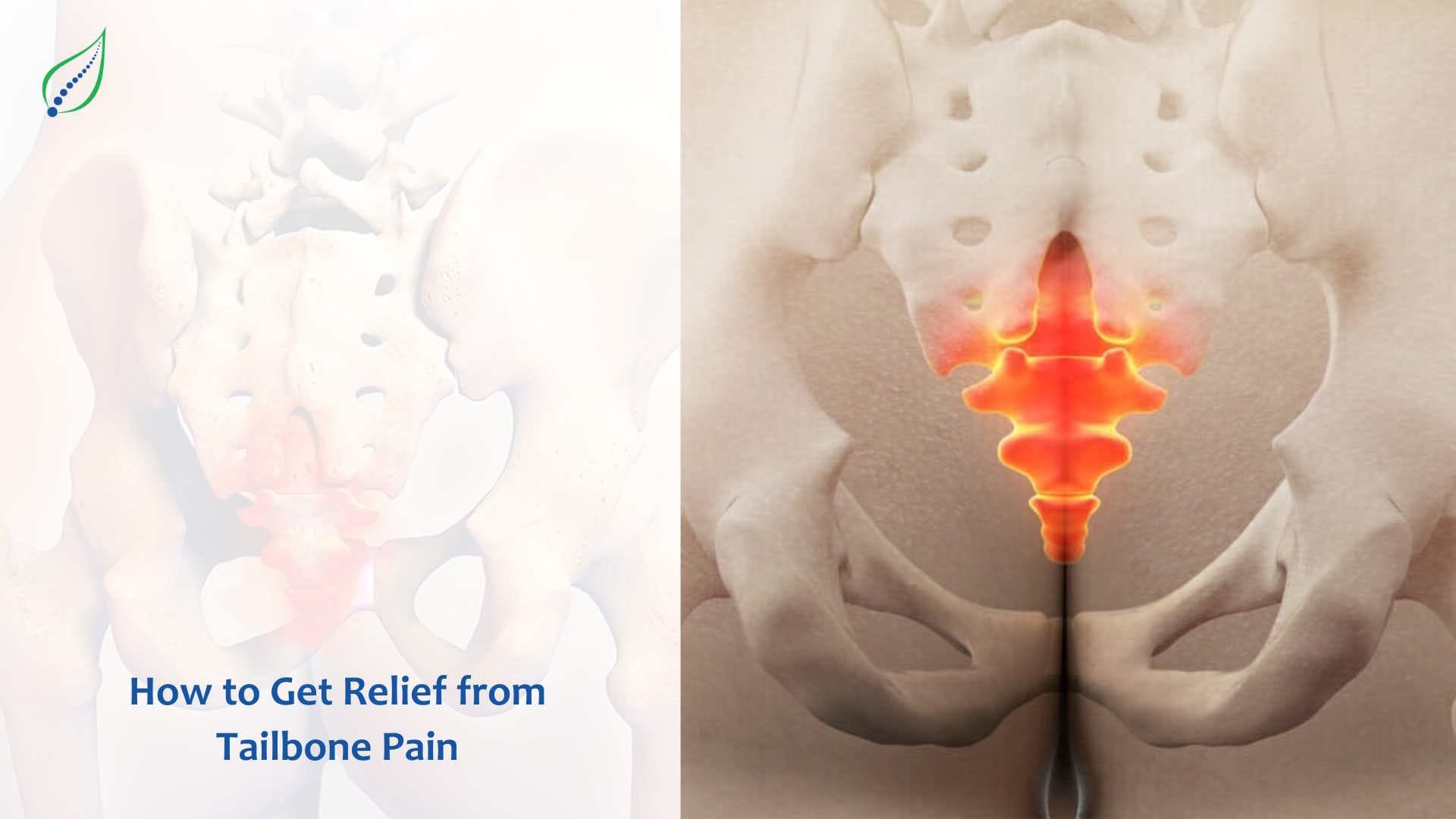
Tailbone pain is called coccydynia. The coccyx is made of 3 to 5 fused vertebrae at the base of the spine. Causes include falls onto the buttocks, prolonged sitting on hard surfaces, childbirth, repetitive strain such as rowing or cycling, obesity or very low body weight (less padding), arthritis, infection and rarely tumors.
- Women are about 5 times more likely than men to have coccydynia, because of pelvic anatomy.
- Pain is worse when sitting, leaning back or rising from sitting.
- About 90 percent of cases improve with conservative treatment.
Relief
Use a wedge or donut cushion with a cutout, lean forward when sitting, apply ice or heat, and take NSAIDs. Pelvic floor physical therapy and steroid injections help persistent pain. Recovery typically takes weeks to a few months, sometimes longer after fracture. See a doctor for pain after a fall, numbness in the groin, bowel or bladder changes, fever or a visible lump or dimple.
Medical term and causes
Tailbone pain is called coccydynia. Causes include falls, prolonged sitting, childbirth, obesity or rapid weight loss, and degenerative changes.
Relief
Use a cushion with a cut out, avoid long sitting, apply heat and take anti inflammatory medicines as directed. Persistent cases may benefit from injections or physical therapy.
Causes of coccydynia
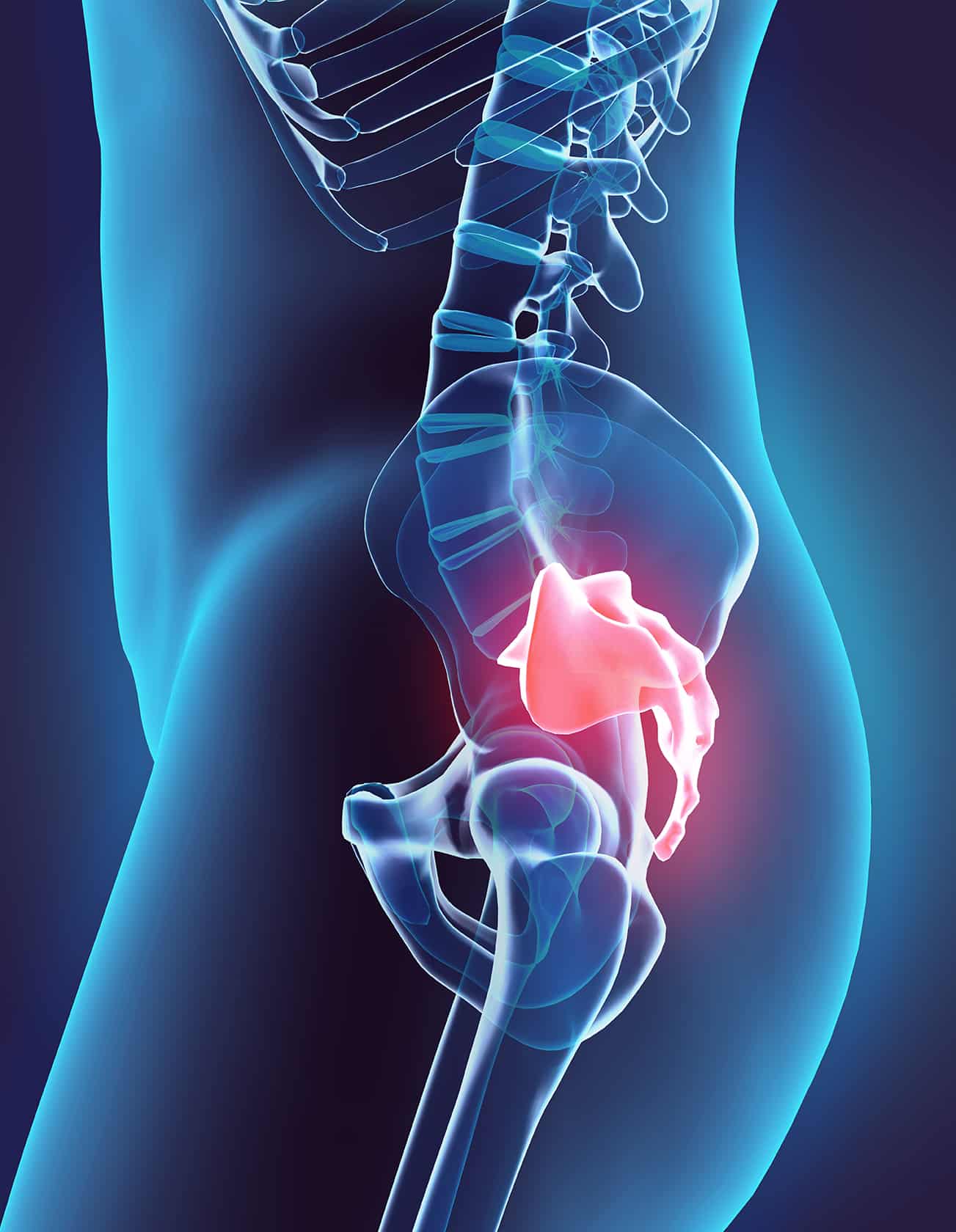
The coccyx is made of 3 to 5 fused vertebrae. Coccydynia is five times more common in women, due to pelvic anatomy and childbirth injury. Obesity increases risk because of altered sitting posture, while rapid weight loss reduces padding. Falls onto the buttocks, repetitive cycling and rowing contribute.
Treatment path
Most cases improve in weeks to months with a wedge cushion, avoiding prolonged sitting, NSAIDs and physical therapy. Steroid injections, ganglion impar blocks and, rarely, coccygectomy are options. See a doctor for pain after trauma, numbness, fever, or bowel or bladder changes. Pilonidal cysts can mimic tailbone pain.
Based on data from the Mayo Clinic and the American Academy of Orthopaedic Surgeons