The main causes of World War 1 were militarism, alliances, imperialism, and nationalism (MAIN), with the assassination of Archduke Franz Ferdinand as the trigger.
MAIN causes
- Militarism: arms races, especially between Britain and Germany.
- Alliances: Triple Entente (France, Russia, Britain) vs Triple Alliance (Germany, Austria-Hungary, Italy).
- Imperialism: competition for colonies.
- Nationalism: especially in the Balkans.
Trigger
The assassination of Archduke Franz Ferdinand in Sarajevo on June 28, 1914.
Chain reaction
Austria-Hungary declared war on Serbia on July 28, 1914. Alliances pulled in other powers.
Toll
About 20 million died.
Alliance system
Europe was divided into two blocs. The Triple Entente included France, Russia and the United Kingdom. The Triple Alliance included Germany, Austria-Hungary and Italy (which later stayed out and joined the Allies in 1915). A conflict between two nations could draw in the rest.
Militarism
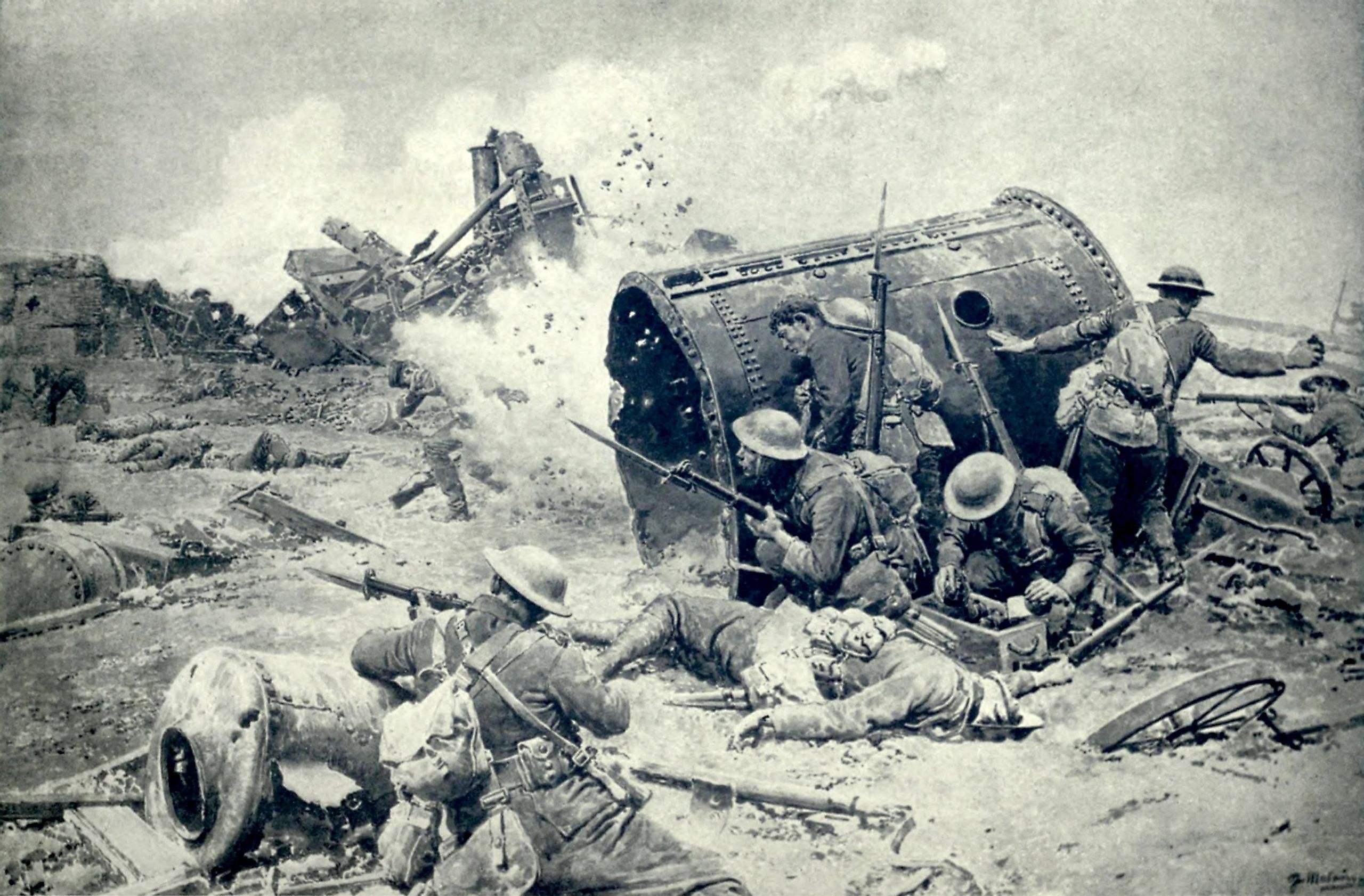
European powers built up armies and navies. Germany and Britain competed in a naval arms race after the launch of HMS Dreadnought in 1906. By 1914, military plans, such as Germany’s Schlieffen Plan, depended on rapid mobilization.
Imperialism
Rivalry for colonies in Africa and Asia caused tensions. The Moroccan crises of 1905 and 1911 and competition over resources fueled mistrust.
Nationalism
Pan-Slavic movements in the Balkans, supported by Serbia and Russia, clashed with Austria-Hungary’s multiethnic empire. French desire to regain Alsace-Lorraine (lost in 1871) was another factor.

The trigger
On June 28, 1914, Archduke Franz Ferdinand, heir to the Austro-Hungarian throne, and his wife Sophie were assassinated in Sarajevo by Gavrilo Princip, a Bosnian Serb nationalist.
Escalation
Austria-Hungary issued an ultimatum to Serbia on July 23 and declared war on July 28. Russia mobilized to defend Serbia, Germany declared war on Russia (August 1) and France (August 3), and invaded Belgium, which brought Britain in on August 4.
Scale
Over 70 million military personnel were mobilized and about 9 to 10 million soldiers died, with around 7 million civilian deaths, according to estimates. The war ended with the Armistice on November 11, 1918, and the Treaty of Versailles in 1919.
Historians’ debate
Historians debate the relative responsibility of the powers. The Fischer thesis in 1961 stressed German responsibility, while Christopher Clark’s The Sleepwalkers (2012) emphasized shared failure.
The July Crisis in dates
Archduke Franz Ferdinand was shot in Sarajevo on June 28, 1914. Austria-Hungary issued an ultimatum to Serbia on July 23 and declared war on July 28. Russia mobilized in support of Serbia, Germany declared war on Russia on August 1 and on France on August 3, and invaded Belgium, which brought Britain into the war on August 4. The Schlieffen Plan, Germany’s strategy for a rapid defeat of France, depended on moving through neutral Belgium.
Human cost and aftermath
About 9 to 10 million soldiers died and around 20 million were wounded in the war, with civilian deaths estimated at about 6 to 10 million depending on the source. The Treaty of Versailles of 1919 required Germany to accept responsibility and pay reparations. The war ended four empires: German, Austro-Hungarian, Russian and Ottoman.
Based on data from the Imperial War Museums and the US National Archives