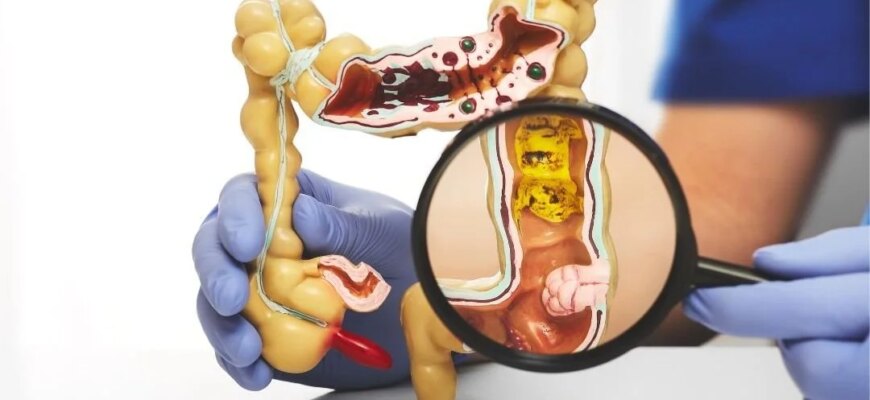
Colonic irrigation flushes water through the colon through a tube. It is promoted for cleansing, but evidence for benefits is lacking and it carries risks.
What it is
A tube inserts into the rectum. Warm water flows into the colon and out, repeatedly. Sessions last 30 to 45 minutes.
Claims
Detox, better digestion, weight loss.
Evidence
No good evidence supports these claims. The colon cleans itself.
Risks
- Bowel perforation.
- Infection.
- Electrolyte imbalance.
- Dehydration.
Medical use
Bowel prep before a colonoscopy.
Better options

Fiber, water and exercise.
Procedure
Colon hydrotherapy (colonic irrigation) uses a tube inserted into the rectum to flush large amounts of water, sometimes mixed with herbs or other substances, into the colon. A practitioner then lets it drain out. A session can use 20 to 60 liters of water in total, and lasts 30 to 60 minutes.
Claims
Promoters say it removes toxins, improves digestion, boosts energy and helps with weight loss. The body already removes waste through the liver, kidneys and colon.
Evidence
Medical reviews have found no reliable evidence of benefit for detox or general health in healthy people. A 2011 review in the Journal of Clinical Gastroenterology concluded that there is no scientific support for most claims.

Risks
- Dehydration and electrolyte imbalance.
- Bowel perforation, which can be fatal.
- Infection from unsterile equipment (outbreaks of amebiasis have been linked to contaminated equipment in 1980).
- Disruption of gut bacteria.
- Cramping, bloating and nausea.
- Worsening of bowel conditions.
Who should avoid it
People with inflammatory bowel disease, diverticulitis, severe hemorrhoids, colon cancer, recent colon surgery, kidney or heart disease, or pregnant women.
Medical use
Enemas and bowel preparation are used before colonoscopy, in a supervised way. Constipation can be treated with fiber, fluids, laxatives, and enemas as directed by a doctor.
Better options
- Eat 25 to 38 grams of fiber a day.
- Drink water.
- Exercise.
- Probiotics may help some conditions.
- Get screened for colorectal cancer from age 45.
FDA
The FDA regulates colonic irrigation devices and has warned about inappropriate marketing and illegal claims.
Safety record and warnings
Colon hydrotherapy sends water through a tube into the rectum to flush the colon. Healthy bodies already clear waste, and the colon does not need to be washed out. Reported complications include bowel perforation, electrolyte imbalance, infections from unsterilized equipment and dehydration. Documented cases of amoebiasis outbreaks were traced to contaminated equipment in the 1980s.

Medical alternatives
Doctors use colon cleansing before colonoscopy with prescribed bowel prep, which is a different, supervised process. For constipation, fiber (25 to 38 g daily for adults), fluids, exercise and, when needed, approved laxatives are standard. Persistent constipation, blood in stool, unexplained weight loss or abdominal pain deserve a medical evaluation. Colorectal cancer screening is generally advised starting at age 45 for average risk adults in the United States.
Based on data from the Mayo Clinic and the American Cancer Society