Growth is a physical increase in size, while development is progress in skills, function, and maturity.
Growth
A physical increase in size, such as height and weight. It can be measured.
Development
Progress in skills and abilities: motor, language, thinking and emotional.
Difference
Growth is quantitative. Development is qualitative.
Stages
Growth peaks in infancy and puberty. Development continues through life.
Examples

Growth: a baby gaining 2 inches. Development: learning to walk.
Tracking
Pediatricians use growth charts and milestones.
Measures
Growth is a quantitative increase in size, such as height and weight. Development is a qualitative change in skills and function, such as motor, language, cognitive and social abilities. A baby’s length increases by about 25 cm in year one, and growth charts from the WHO and the CDC track percentiles.
- Growth is tracked in centimeters, kilograms and head circumference.
- Development is tracked by milestones, for example sitting by about 6 months, walking at about 12 to 15 months, and two-word phrases around 24 months.
- The CDC updated its milestone checklists in 2022 to flag skills most children (75 percent) reach by each age.
When to talk to a doctor
Concerns include loss of skills, no babbling by 12 months, or no words by 16 months. Developmental screening is recommended by the AAP at 9, 18 and 30 months, with autism screening at 18 and 24 months. Early intervention services in the US are free or low cost for children under 3 under IDEA Part C, and can be requested without a doctor referral.
Measures
Growth refers to physical increase in size, such as height and weight, while development includes skills like language, movement and social behavior. The CDC uses growth charts to track height and weight percentiles, and developmental milestones are checked at well child visits. Average birth weight in the US is about 3.3 kg (7.3 lb).
When to talk to a doctor
Parents who notice missed milestones, such as no babbling by 12 months or no words by 16 months, can ask a pediatrician about screening. The American Academy of Pediatrics recommends developmental screening at 9, 18 and 30 months. Early intervention services can help.
Growth charts and milestones
The CDC recommends WHO growth charts for children under 2 and CDC charts for ages 2 to 20. A child below the 3rd or above the 97th percentile for weight or height may warrant evaluation. Growth spurts happen in infancy and puberty, which starts at around 8 to 13 in girls and 9 to 14 in boys.
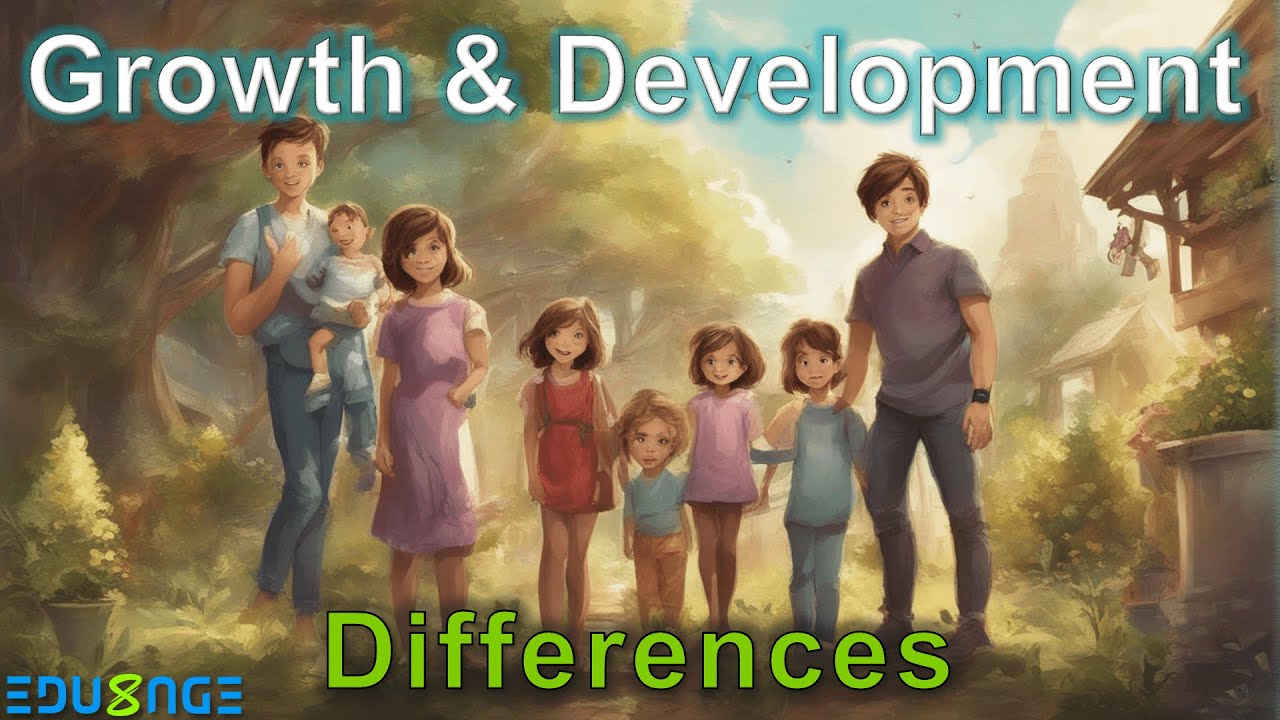
Development domains
Developmental domains include motor skills, language, cognitive, social and emotional. The CDC milestone checklists (updated in 2022) list skills at 2, 4, 6, 9, 12, 15, 18, 24 and 30 months. Delays can be addressed through early intervention services under IDEA Part C for children under 3.
Based on data from the CDC and the American Academy of Pediatrics