Coughing up blood is not normal. See a doctor promptly, and seek emergency care if it is a large amount.
Not normal
Coughing up blood (hemoptysis) always needs evaluation.
Possible causes
- Bronchitis.
- Pneumonia.
- Tuberculosis.
- Pulmonary embolism.
- Lung cancer.
- Heavy coughing.
Amount
A streak after hard coughing is less worrying than large amounts.
See a doctor
Promptly.
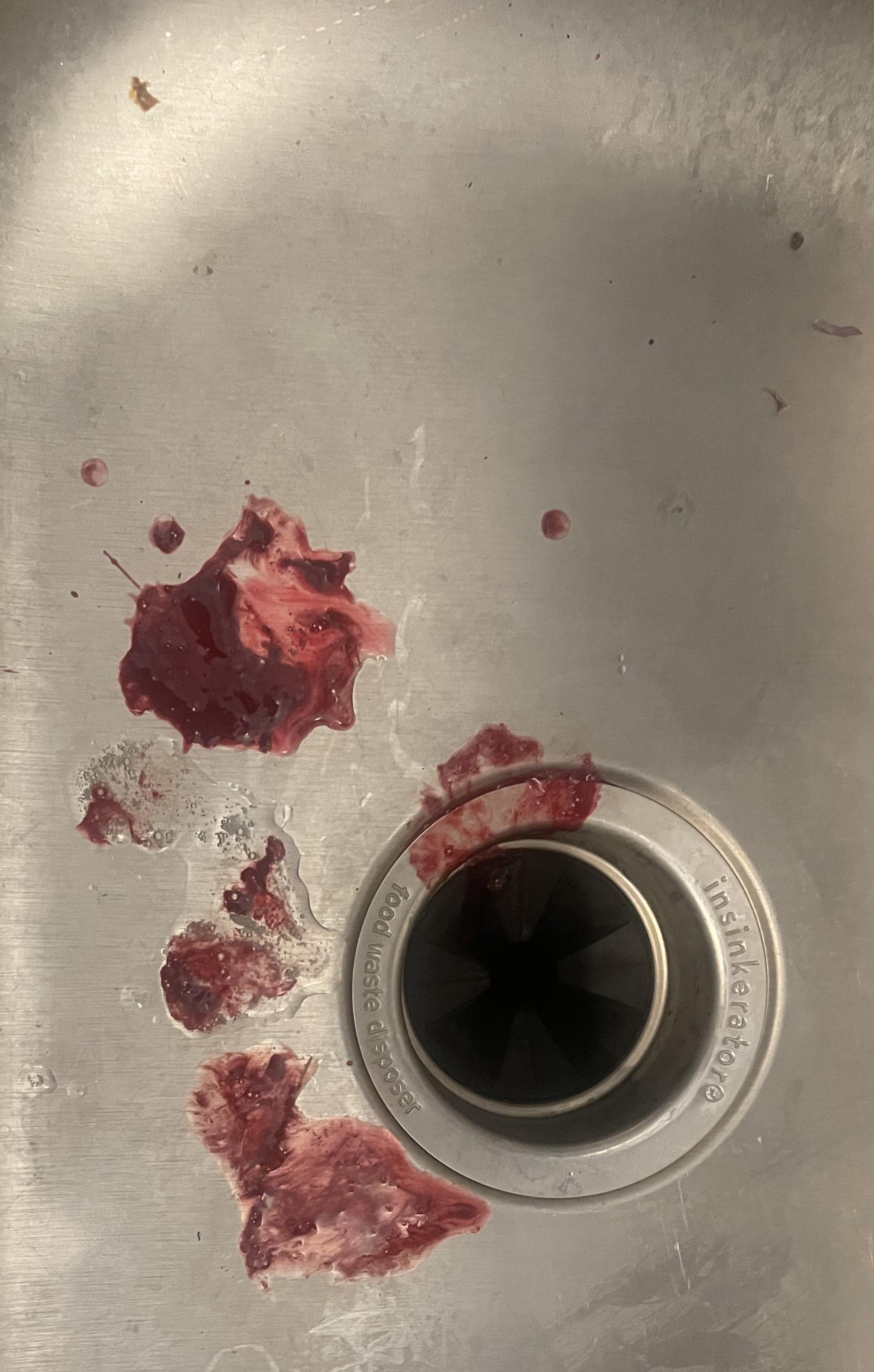
Emergency
Call 911 for more than a teaspoon of blood, chest pain or shortness of breath.
Terminology and amounts
Hemoptysis is coughing up blood from the lungs or airways. It is distinguished from blood from the nose or stomach (hematemesis). Massive hemoptysis is often defined as over 100 to 600 ml in 24 hours depending on source, and is life-threatening.
- Common causes include bronchitis, pneumonia, tuberculosis, bronchiectasis, lung cancer, pulmonary embolism and blood thinners.
- Streaks of blood after a severe cough are common in infections and rarely serious.
- Smokers over 40 with hemoptysis have a higher chance of lung cancer, and imaging is generally recommended.
When to act
Coughing blood is not normal and should be assessed by a doctor, especially if it recurs. Tests include chest X-ray, CT scan and sometimes bronchoscopy. Seek emergency care for more than a teaspoon of blood, shortness of breath, chest pain, dizziness, or if you take anticoagulants. Sit upright, and if the bleeding side is known, lie on that side while waiting for help.
Terminology and amounts
Coughing blood is called hemoptysis. Small streaks of blood with a bad cough, bronchitis or after nosebleed is common but should be checked. Massive hemoptysis, over about 100 to 600 mL in 24 hours depending on definition, is an emergency. Causes include infections, pneumonia, tuberculosis, bronchiectasis, lung cancer, pulmonary embolism and heart failure.
When to act
See a doctor for any coughing blood that is more than a streak or recurs. Go to the emergency room for large amounts, shortness of breath or chest pain. Tests include chest X ray or CT and bronchoscopy. Smoking is the main risk factor for lung cancer.
Differences between lung and stomach blood
Blood from the lungs is bright red, frothy and mixed with sputum, while blood from the stomach is darker and mixed with food. Causes of mild hemoptysis include bronchitis, which accounts for up to 26 percent of cases, and lung cancer about 20 percent in some series. Tuberculosis remains a leading cause worldwide. The WHO reported 10.8 million TB cases in 2023.
Diagnostic workup
Doctors do chest imaging, blood tests, sputum cultures and bronchoscopy. CT angiography can find bleeding vessels in massive hemoptysis, treated by bronchial artery embolization. Smokers over 50 qualify for annual low dose CT screening if they have a 20 pack year history. Stop smoking and see a doctor for any bloody cough.
Based on data from the American Lung Association and the World Health Organization