If you find an injured bird, wear gloves, place it in a ventilated box lined with a soft cloth, keep it warm and quiet, and call a local wildlife rehabilitator. Don’t feed it.
Steps
- Wear gloves.
- Place the bird in a ventilated cardboard box lined with a soft cloth.
- Keep it in a dark, quiet, warm place.
- Don’t give food or water.
- Contact a licensed wildlife rehabilitator or vet.
Don’t
Try to treat it yourself.
Baby birds
A fledgling on the ground is often fine. Leave it unless injured.
Law
Most wild birds are protected by law.
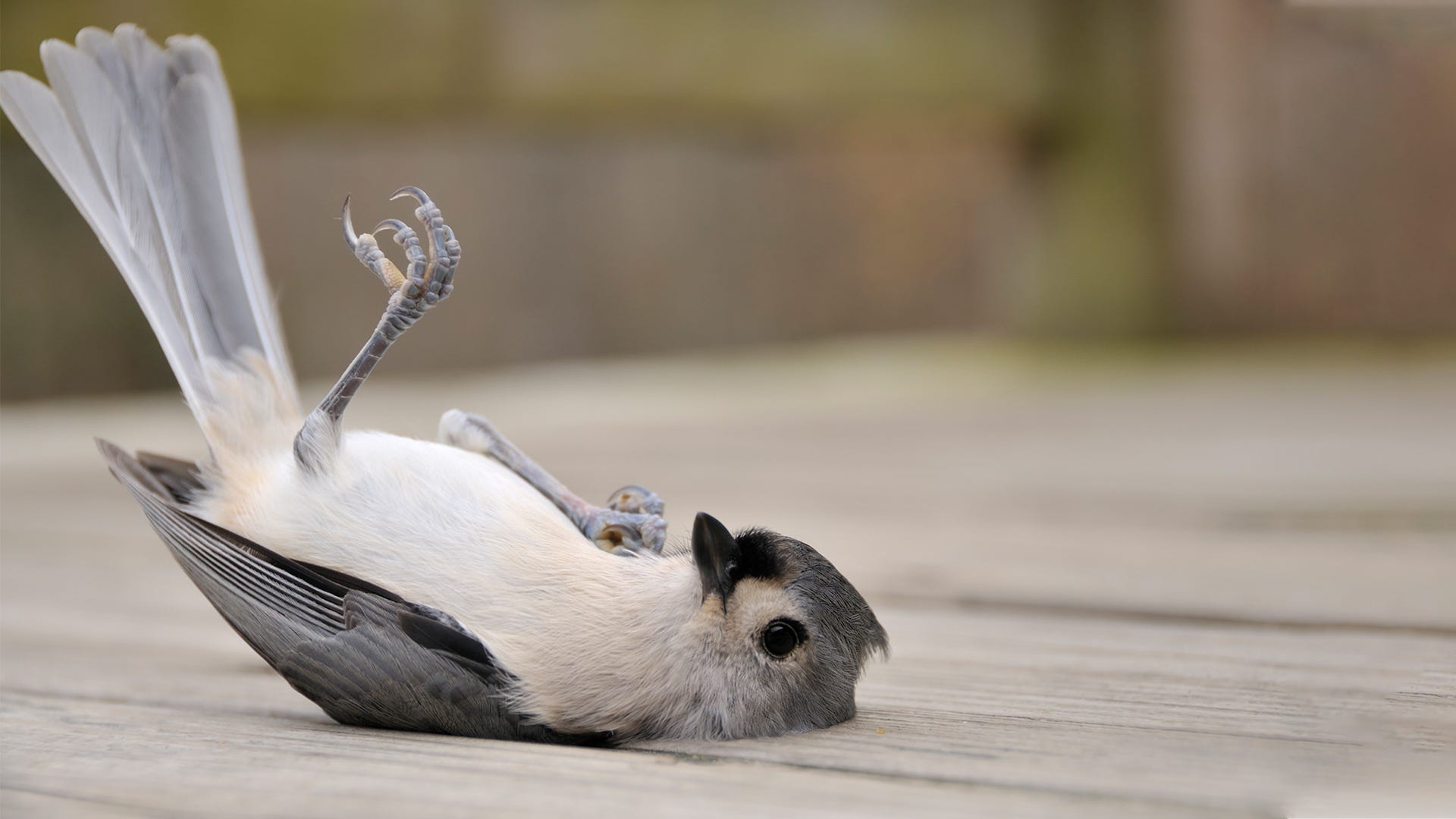
Find help
Animal Help Now (ahnow.org).
First-aid steps
Wear gloves or use a towel to handle the bird gently, and place it in a ventilated cardboard box lined with a soft cloth. Keep it in a warm, dark, quiet place away from pets and children. Do not give food or water, since improper feeding can kill an injured bird.
- Contact a licensed wildlife rehabilitator or a local wildlife agency. In the US, the Animal Help Now website lists nearby rescuers.
- Most native wild birds are protected under the Migratory Bird Treaty Act, and keeping them without a permit is illegal.
- Window strikes kill hundreds of millions of birds each year in the US, according to a 2014 study estimating 365 to 988 million.

Baby birds
Nestlings without feathers can be put back in the nest. Fledglings with feathers that hop on the ground are usually being watched by parents and should be left alone unless in danger. Keep cats indoors. Wash your hands after handling any wild bird. Birds can carry diseases such as salmonella.
First aid steps
Wear gloves, gently place the bird in a ventilated box with a soft cloth in a quiet, dark, warm place, and avoid food or water. Contact a licensed wildlife rehabilitator or your state wildlife agency. Keep pets and children away.
Baby birds
Fledglings on the ground with feathers are often learning to fly, and parents are nearby; leave them unless injured. Nestlings without feathers can be returned to the nest. Handling wild birds is regulated by law.
Species notes and handling
Songbirds can die from stress during handling, so keep it quiet and limit handling. Use a cardboard box with air holes and a towel. Do not give water, since birds can aspirate it. Window strikes are common, with up to 1 billion birds killed per year in the US from building collisions, according to the Smithsonian. Cats kill an estimated 2.4 billion birds a year.

Where to get help
Contact a licensed wildlife rehabilitator via ahnow.org or your state wildlife agency. In the US, it is illegal to keep most wild birds under the Migratory Bird Treaty Act. Baby birds with feathers should be left alone. Wash hands after contact, as birds can carry Salmonella.
Based on data from the Smithsonian Migratory Bird Center and the US Fish and Wildlife Service