Women get periods because the uterus builds a lining each month to prepare for pregnancy, and sheds it if no pregnancy occurs.
Why
Each month the uterus builds a thick lining to prepare for a fertilized egg. If there is no pregnancy, hormones drop (estrogen and progesterone) and the lining sheds as a period.
Cycle
Average 28 days (21 to 35). Bleeding lasts 3 to 7 days.
Start
Menarche begins around age 12 on average.
End
Menopause around age 51.
Blood loss
About 2 to 3 tablespoons per period.
Biological reason
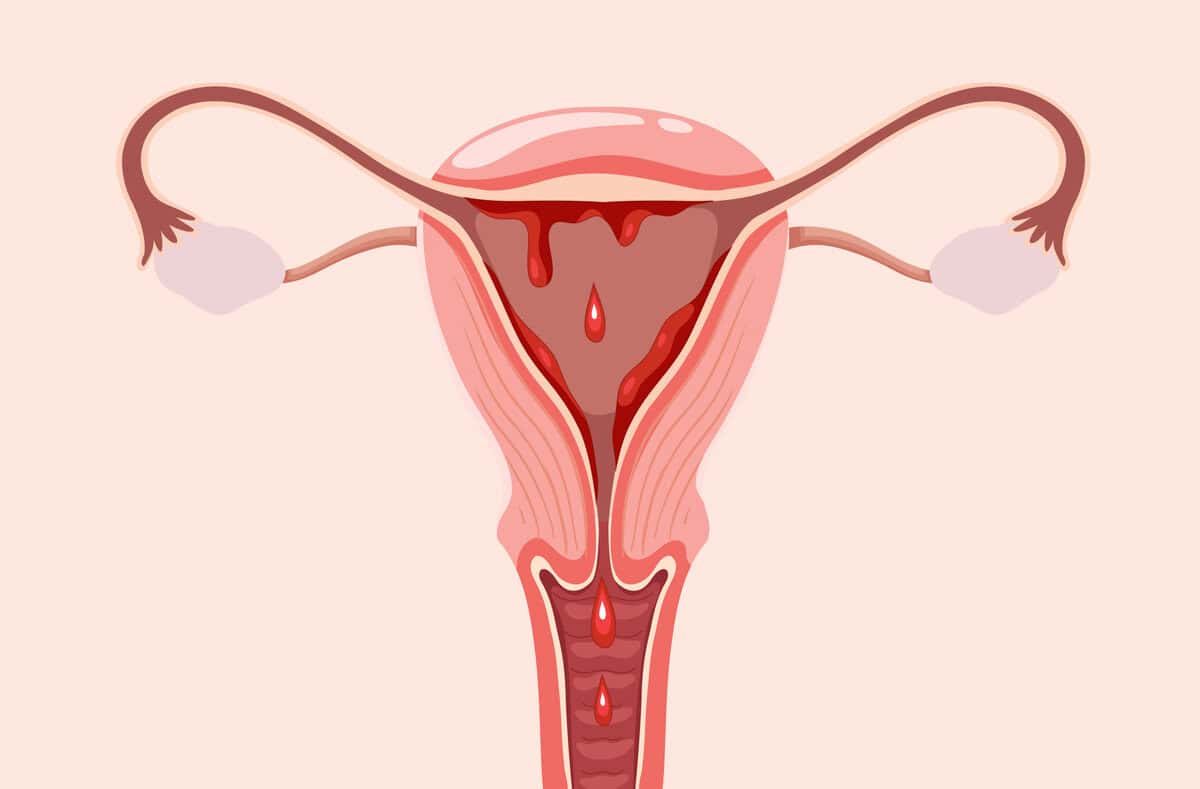
Menstruation is the shedding of the uterine lining (endometrium) when a fertilized egg has not implanted. Each cycle, estrogen builds up the lining to prepare for pregnancy. After ovulation, progesterone maintains it. If no pregnancy occurs, hormone levels fall and the lining sheds as menstrual fluid, composed of blood, tissue and mucus.
Evolution
Menstruation is rare among mammals. It occurs in humans, some primates, a few bat species and the elephant shrew. A leading explanation is that species with deeply invasive placentas build the uterine lining spontaneously rather than in response to an embryo.
Cycle phases
- Menstrual phase (days 1 to 5).
- Follicular phase, when the follicle matures (to about day 13).
- Ovulation, around day 14 in a 28 day cycle.
- Luteal phase (about 14 days).
Typical timing
Periods start between ages 9 and 15 (menarche), with an average of 12.4 years in the US, and end at menopause, typically around age 51. Cycles last 21 to 35 days.

Blood loss
The average is about 30 to 40 milliliters per period, or 2 to 3 tablespoons. Losing more than 80 milliliters, or needing to change a pad or tampon every 1 to 2 hours, is heavy menstrual bleeding.
Hormones involved
Follicle stimulating hormone, luteinizing hormone, estrogen and progesterone.
Lifespan
A woman may have roughly 400 periods in her life.
Health
Periods can be a vital sign. Irregular, very heavy, painful or absent periods can indicate conditions such as polycystic ovary syndrome, thyroid problems or endometriosis and should be checked.
Product options
Pads, tampons, menstrual cups, discs and period underwear.
Cycle mechanics
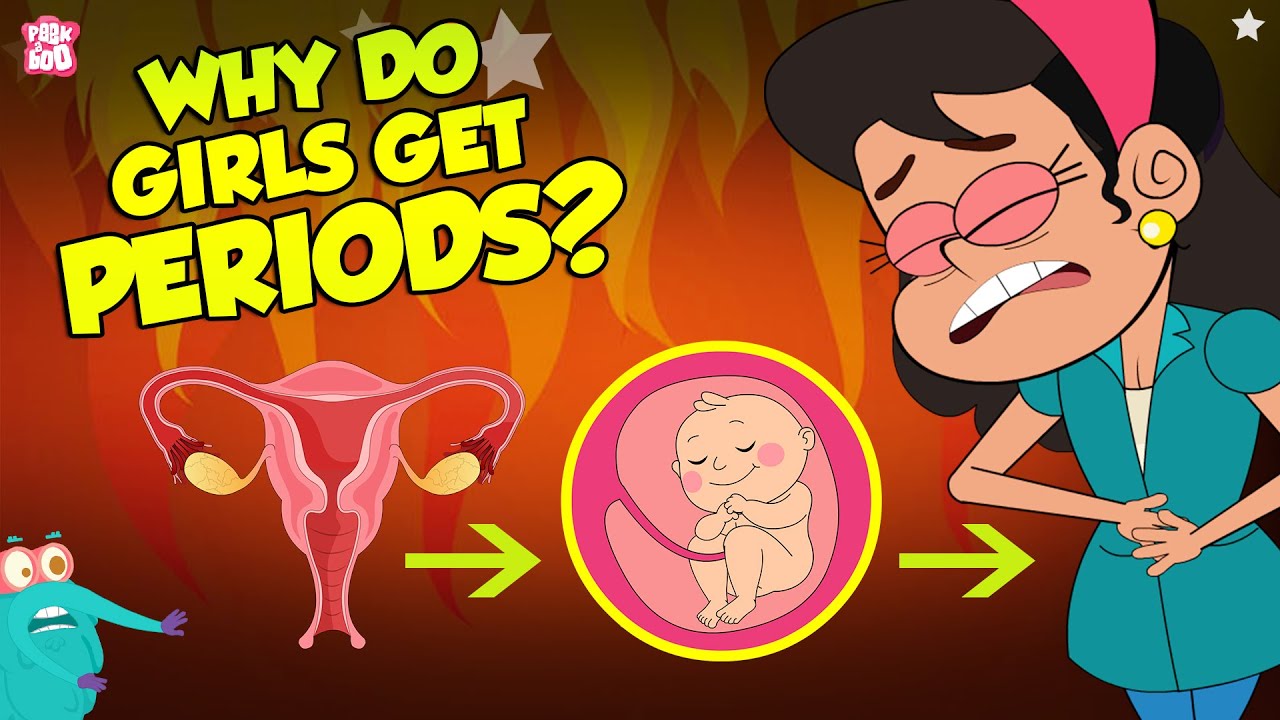
The menstrual cycle averages about 28 days but normal ranges from 21 to 35 days in adults. Each cycle, estrogen thickens the uterine lining, ovulation occurs around mid cycle, and if no pregnancy occurs, progesterone falls and the lining sheds as a period lasting about 3 to 7 days. Average blood loss is about 30 to 40 mL per period, and over 80 mL is considered heavy.
Timeline and health
Periods usually begin between ages 10 and 15, with an average of about 12 in the US, and end at menopause around 51. Pregnancy, breastfeeding, hormonal contraception and some medical conditions stop or alter periods. Missing three or more periods in a row without pregnancy or soaking a pad or tampon every hour should be discussed with a doctor.
Based on data from the American College of Obstetricians and Gynecologists and the NIH